For many Asian American, Native Hawaiian, and Pacific Islander (AANHPI) communities, conversations around mental health have historically been shaped by stigma, silence, and the pressure to persevere.
At the same time, society has misunderstood gaming – dismissing it as a distraction – rather than recognizing it as a meaningful source of connection, creativity, and self-expression.
Studies have found that gaming can support social connection, stress relief, emotional regulation, and community building, particularly when paired with positive social interactions and healthy boundaries.
For many players, video games provide opportunities to collaborate, problem-solve, express creativity, and build meaningful relationships. They can also offer moments of joy, comfort, and belonging during periods of loneliness, uncertainty, or transition.

Gaming’s role in identity and representation has become increasingly important. A 2024 McKinsey report surveying more than 1,000 Asian and Pacific Islander consumers found that fewer than 30% believed that U.S.-produced film and television authentically represented their racial and ethnic identity.
While the report focused on entertainment media broadly, the finding highlights a broader reality: many people are still seeking opportunities to see themselves authentically reflected in the stories they consume.
As Cold Tea Collective previously explored in our conversation with Lee Majdoub of Sonic the Hedgehog 3, representation can be deeply personal and even healing. Reflecting on his own experiences, Majdoub shared a simple but powerful truth: “Representation matters. Representation inspires. Representation heals.”
Amplifying Asian voices in gaming
For many AANHPI individuals, particularly those navigating neurodivergence, mental health challenges, immigration experiences, or cultural expectations, gaming provides something that can sometimes feel difficult to find elsewhere: community.
To explore the intersection of gaming, mental health, and Pan-Asian identity, Cold Tea Collective spoke with gaming industry professionals, community builders, and gamers who are mental health professionals, whose lives and work intersect these worlds.
Through their experiences, several themes emerged: gaming as a source of belonging, play as self-care, the importance of authentic representation, and the power of community to help us feel less alone.
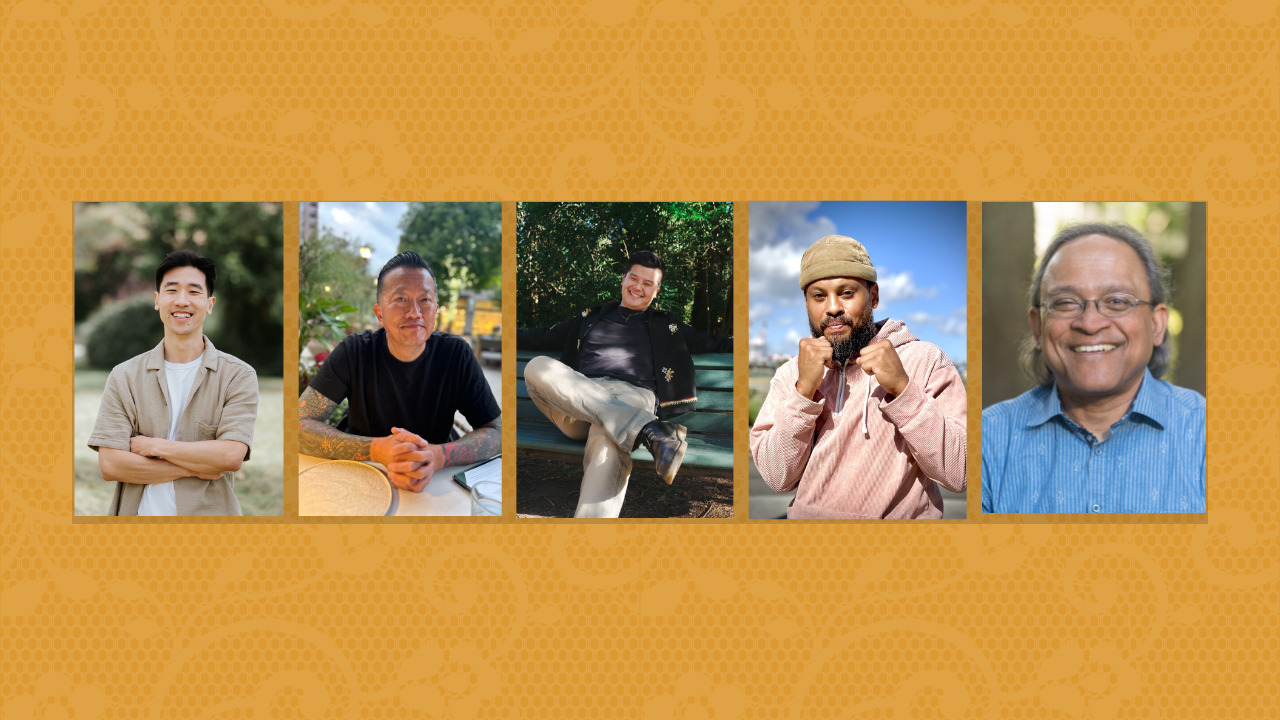
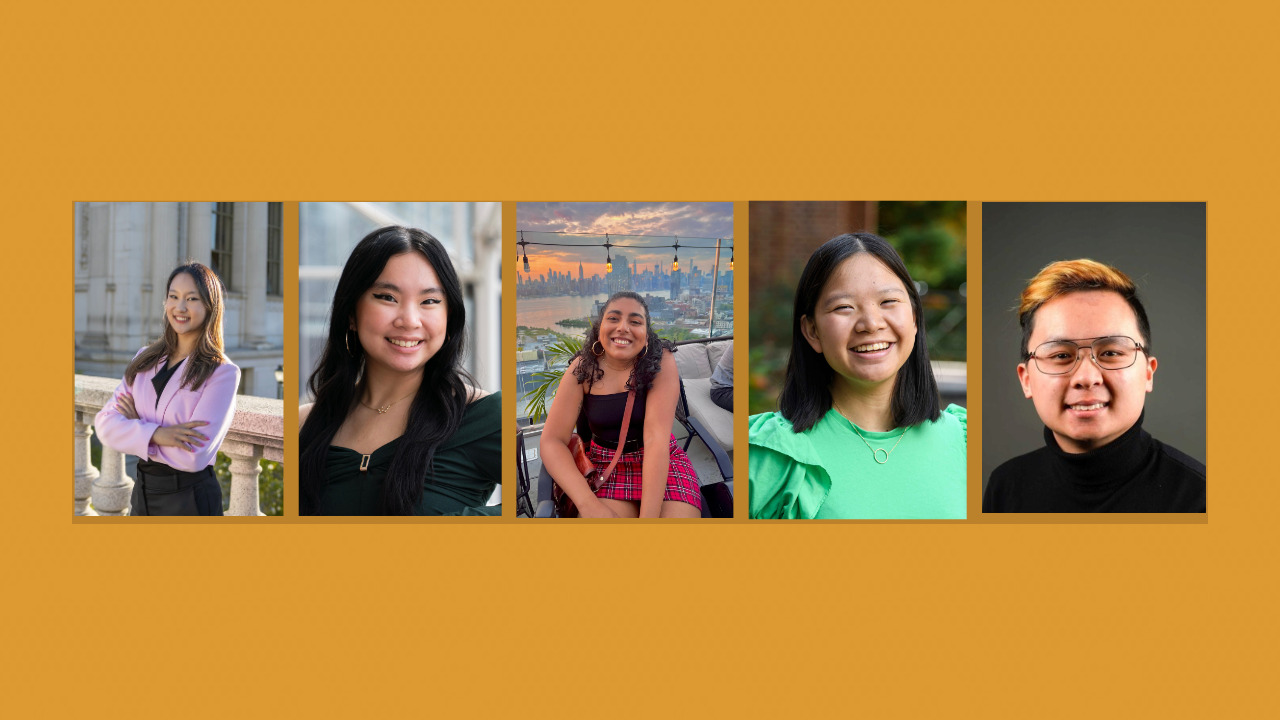
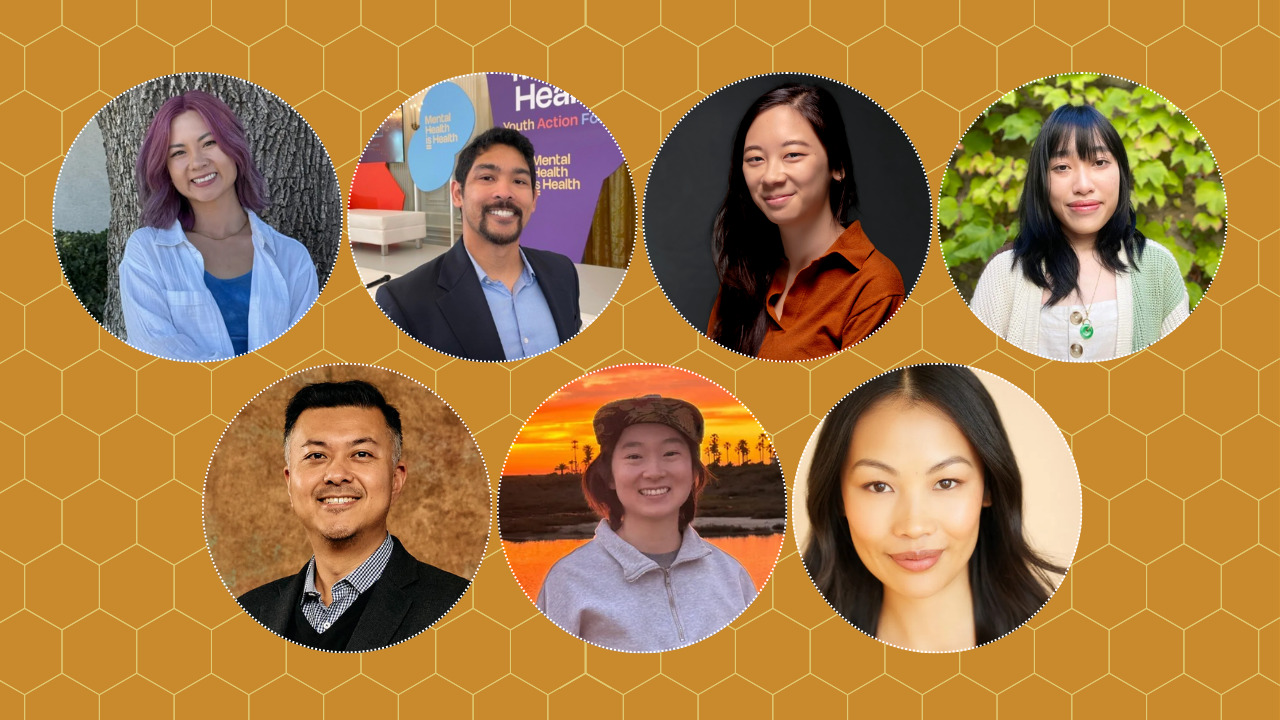
Thanks to our contributors for sharing their story and work: Brian Pang (Founder & Executive Director, Asians in Gaming), Christian de Luna (Founder, Luna Game Labs), Shavonne Yu (Co-Founder & Co-Chair, AAPI in Gaming), Nhi Do (Actor, Voice Actor & Producer, sunset visitor), Dr. Panicha McGuire (Founder & Clinical Director, Living Lotus Therapy), Maggie Chen (Play Therapist, Living Lotus Therapy), and Lily Tran (Therapist, Yellow Chair Collective).
See also: Celebrating neurodivergent pan-Asian creatives in media
Gaming as a space for connection and belonging
Across nearly every conversation, one idea surfaced repeatedly: gaming is about people.

For Brian Pang, Founder and Executive Director of Asians in Gaming, that realization became especially clear during his two decades working in the games industry.
Growing up in Hong Kong, Pang remembers being captivated by games like Final Fantasy VII, whose complex characters and emotional storytelling expanded his understanding of what games could be.
“The depth of the story and characters were unlike anything I had ever seen in media, TV, film, or games,” Pang recalls.
Over time, Pang came to understand that games do more than entertain. They shape how people see themselves and the world around them. Pang says, “Gaming is now a mainstream platform for people to develop friendships and communities.”
That sentiment resonated deeply with Christian de Luna, founder of Luna Game Labs and the Asian Mental Health Collective. For de Luna, gaming has often served as an entry point into relationships that might otherwise have felt difficult to initiate.

He shares, “Gaming has often been one of the most accessible social bridges in my life.”
As someone who has navigated neurodivergence and mental health challenges within his family, de Luna describes, “Games give you a shared language right away,” which makes connections easier.
Whether discussing favorite characters, debating strategies, or reflecting on emotional storylines, games create opportunities for people to connect through shared experiences.
Co-Founder and Co-Chair, AAPI in Gaming, and an award-winning UX designer Shavonne Yu experienced that connection firsthand during the COVID-19 pandemic.
After moving to San Francisco alone, just before lockdowns began, gaming became one of the few ways she maintained meaningful relationships with friends and loved ones.

“Hopping on a call with friends back home, picking up where we left off in whatever we were playing, made home feel less far,” Yu reminisces.
Yu also reflects on how games often create space for conversations that might not otherwise happen. She shares, “The game gave us somewhere else to look, but in the same direction.”
For many contributors, gaming was never simply about winning or leveling up. It was about creating a sense of belonging in a world that can often feel isolating.
See also: Fun, games, and identity: Azn Flush
Gaming, mental health, and the power of play
While many people often frame gaming as escapism, contributors describe something far more nuanced: gaming as regulation, restoration, creativity, and care.
Dr. Panicha McGuire, founder of Living Lotus Therapy, remembers gaming as one of the few spaces where she felt both safe and understood growing up as an undiagnosed autistic Southeast Asian immigrant.
What began as entertainment gradually became something deeper. Gaming gave me a structured, predictable space where I could engage without that same level of social demand,” she says. “It became both a refuge and a bridge.”
Today, McGuire views gaming through the lens of her work as a therapist and play therapy supervisor, recognizing its potential as a tool for communication, emotional expression, and healing.

“Gaming can support emotional regulation, create a sense of safety and containment, build problem-solving and executive functioning skills, and offer connection and community,” McGuire explains.
Perhaps most powerfully, gaming has helped her personally reconnect with parts of herself that existed before masking and societal expectations, she shares, “It allows me to access parts of myself that existed before masking, before productivity became tied to worth.”
That theme of reclaiming joy also emerged in Maggie Chen’s reflections.
A play therapist, mental health clinician, and public health educator at Living Lotus Therapy, Chen grew up in a family where “Gaming is a shared experience for us.”
For Chen, like many Asian Americans raised under the influence of the model minority myth, she struggled with guilt around rest and play as academic pressures mounted. She began to internalize the idea that she must earn enjoyment.

She recalls, “I worked myself to the bone and am still dealing with the burnout to this day.”
But gaming helped her challenge those beliefs, and over time, embracing play became an important part of her healing. “When I’m gaming, I can let myself be a kid, not an adult with adult responsibilities… Overcoming that guilt and shame about enjoying myself has vastly improved my mental health.”
For Lily Tran, an Associate Psychotherapist and Associate Clinical Social Worker at Yellow Chair Collective, gaming has similarly served as a source of comfort and emotional support.
She credits gaming with helping her manage stress and fostering meaningful relationships.

“Gaming has provided me with a moment of reprieve during the most stressful moments of my life,” she shares. “Some of my most vital connections growing up and today have been loosely or directly linked to gaming.”
De Luna echoed a similar perspective, emphasizing that different games can meet different emotional needs. He explains, “Mental health gaming is not one game. It’s more about what kind of support or regulation I need in a given moment.”
Together, their stories challenge common misconceptions about gaming and highlight its potential to support emotional well-being, self-discovery, and connection.
See also: Life as an Asian American woman on Twitch
Representation matters
Representation emerged as another recurring theme throughout these conversations.
Not simply because people want to see themselves reflected in games, but because representation shapes who is perceived as complex, human, and worthy of belonging. According to Nielsen, 58% of AANHPI audiences make a conscious effort to support media from creators who reflect their identity, which shows how important representation is to both the gaming experience and industry growth.
For Nhi Do, a Vietnamese Canadian acclaimed actor and voice artist who starred as “Watcher” in the Peabody Award-winning sci-fi narrative adventure game 1000xRESIST, developed by the Vancouver-based indie studio Sunset Visitor Gaming, the game’s immersive nature makes representation especially impactful. Unlike film or television, games actively ask players to inhabit another person’s perspective.

Do shares, “Gaming is the most immersive form of media, Pan-Asian representation becomes even more important… In no other narrative form do players spend up to hundreds of hours exploring new worlds and stepping into the shoes of someone else’s life.”
Do also believes authentic representation benefits both those seeking to see themselves reflected and those learning about experiences different from their own. “Having more Pan-Asian representation authentically written by other Pan-Asians will promote empathy towards the whole community.”
Yu echoed this sentiment, emphasizing that “Pan-Asian representation should reflect how diverse our cultures, histories, and identities actually are instead of flattening everyone into one image.”
McGuire similarly stresses the importance of moving beyond tokenism, saying, “We are not a monolith.” She hopes to see more culturally specific stories that reflect the complexity of Southeast Asian, South Asian, and Pacific Islander experiences, “I would like to see more nuanced, diverse, and culturally specific portrayals of Pan-Asian identities, ” McGuire says.

For Tran, she reflects on growing up during a time “when American media rarely featured Asian representation,” she says. “Video games were a great source of representation.”
Pang points out that despite progress, significant gaps remain. He emphasizes, “AANHPI characters, environments, and storylines are still often misrepresented.”
Together, these reflections point toward a shared vision: one in which Pan-Asian communities are represented not through stereotypes but through stories that reflect their full humanity.
See also: WATCHLIST: 15 Pan-Asian films centering mental health experiences
Looking ahead: What needs to change

When asked what they hope to see in the future, contributors shared a collective vision centered on inclusion, accessibility, and authentic storytelling.
Pang hopes to see greater investment in player well-being, inclusive content, and recognition of the many Asians already shaping the gaming industry: “We have a golden opportunity to break all these stereotypes and demand change.”
De Luna envisions games intentionally designed to support emotional growth and connection: “I would like to see more games intentionally designed around wellness, reflection, and connection.”
Yu hopes future games embrace emotionally complex AAPI characters: “I’d like to see more emotionally complex AAPI characters, including people who struggle with mental health issues.”

McGuire advocates for stronger collaboration between mental health professionals and game developers, as well as greater accessibility: “I would like to see gaming recognized as a legitimate tool for connection, creativity, and mental health support.”
Chen hopes to see continued progress in representation, online safety, and conversations around mental health: “There’s always room for growth.”
Tran wants to see broader representation across gender, sexuality, ethnicity, and neurodivergence: “Representation has improved, but there’s always room for improvement.”
Do hopes that future generations will grow up seeing themselves reflected as protagonists rather than side characters: “The next Pan-Asian generation finally gets to play as the main character who looks like them.”
Across every conversation, one message emerged again and again: gaming was never just about the game.
It is a place to find friendship when loneliness feels overwhelming. A place to reconnect with joy after burnout. A place to process emotions that are difficult to put into words. A place to see ourselves reflected in stories when the media seldom offered that possibility.
What gaming represents
Together, their experiences reveal something larger than gaming itself: the human need for connection, community, representation, and belonging.
For Pang, gaming is an empathy engine.
For de Luna, it is a bridge to connection.
For Yu, it is a platform for belonging.
For McGuire, it is a refuge where authenticity could emerge beneath expectations, masking, and productivity.
For Chen, it is permission to embrace joy.
For Tran, it is a source of comfort, community, and care.
For Do, it is a reminder that everyone deserves the chance to see themselves as the hero of their own story.
And sometimes, that journey begins with pressing “Start.”
See also: Breaking free from the model minority myth as a neurodivergent Vietnamese American
Organizations and resources

An organization dedicated to illuminating and advancing Asians across the gaming industry through advocacy, mentorship, leadership development, and community building.

An initiative focused on increasing AAPI visibility, representation, and leadership throughout the gaming industry.

A game studio exploring how games can foster empathy, reflection, wellness, and meaningful human connection.

A liberation-oriented, neurodiversity-affirming mental health practice serving families and adolescents.

A culturally responsive therapy practice providing affirming mental health support for diverse AANHPI communities.
See also: Celebrating neurodiversity in Asian American communities