The latest animated series in the Avatar universe centres disabled Asian characters, and the actors behind them
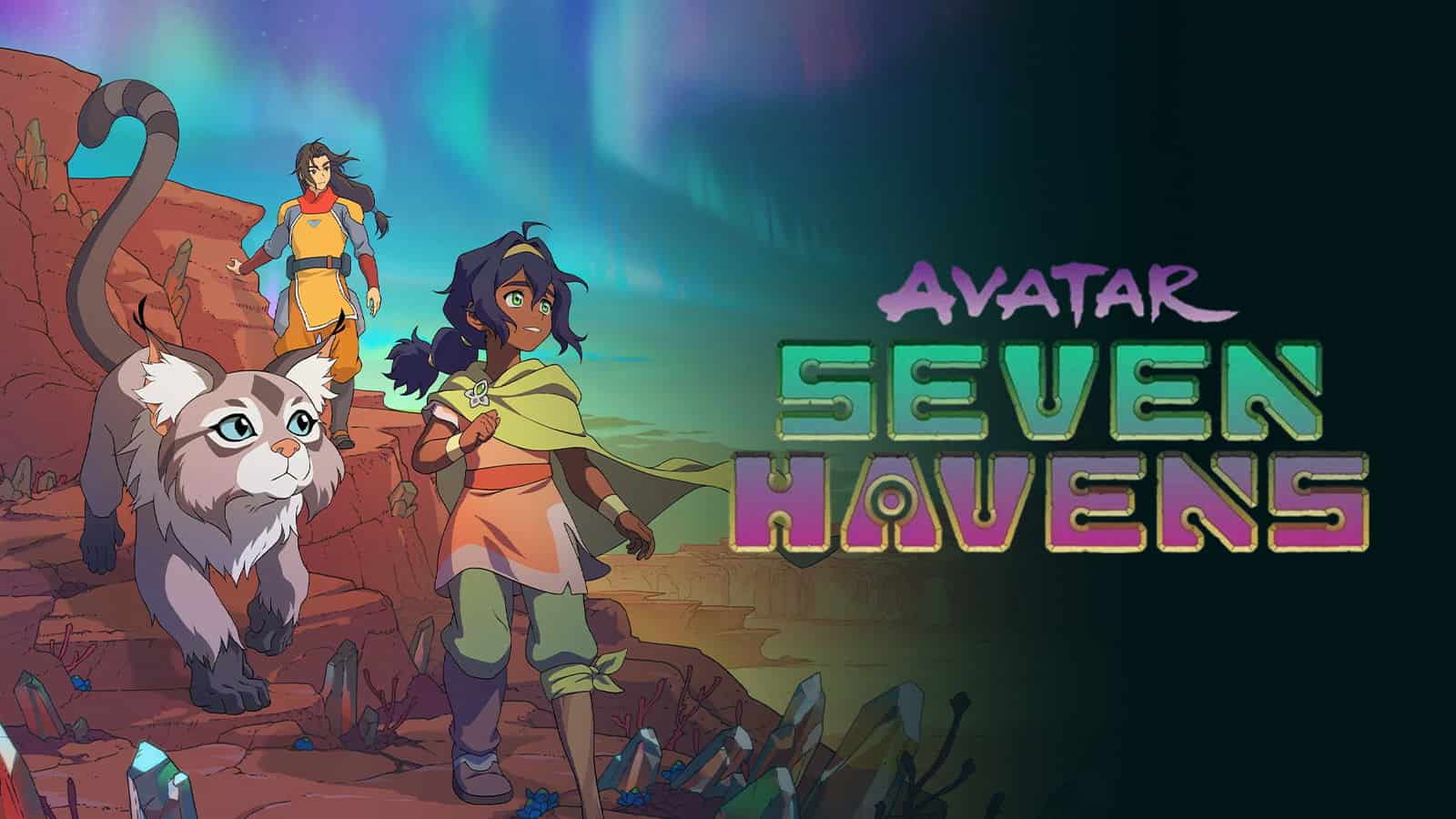
For generations, the Avatar universe has introduced audiences to extraordinary characters navigating identity, responsibility, and belonging. With Avatar: Seven Havens, the franchise introduces Pavi, a young South Asian Avatar with a limb difference whose story opens new possibilities for disability representation in animation. What makes Pavi’s journey significant extends beyond the character audiences see on screen.
Behind the scenes, disabled Asian creatives have helped shape how she moves through the world, connects with others, and understands herself.
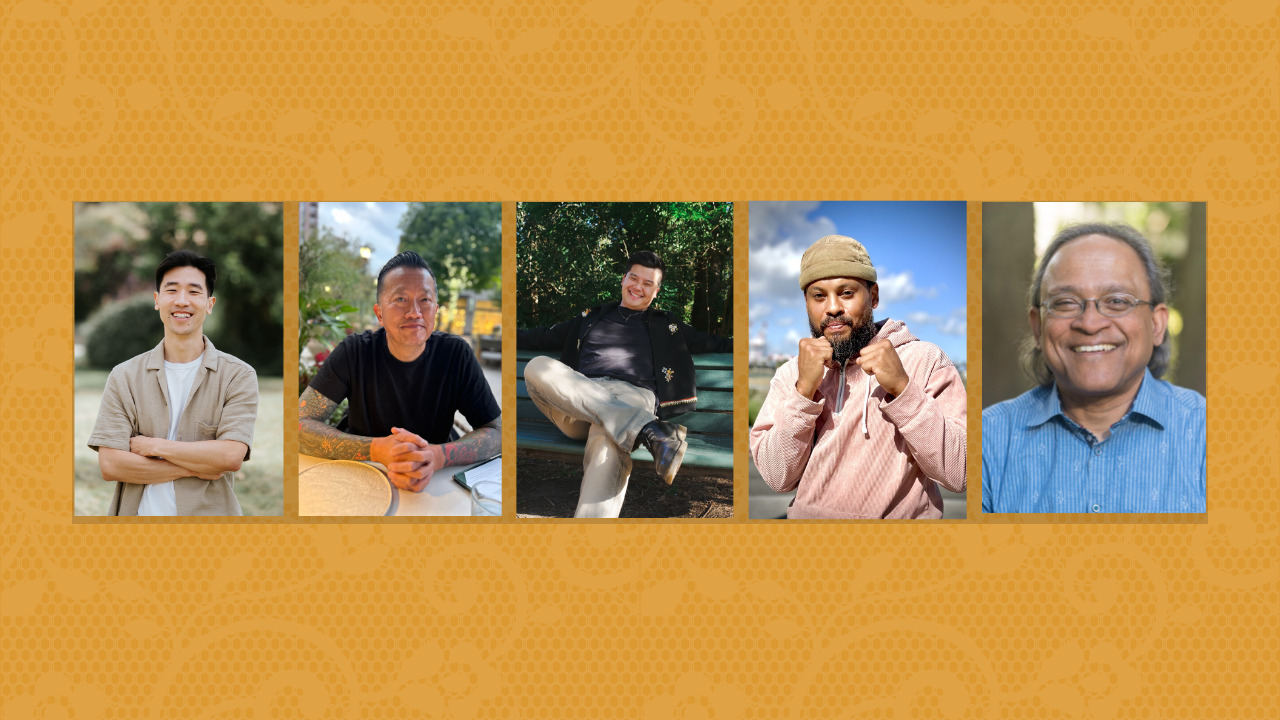
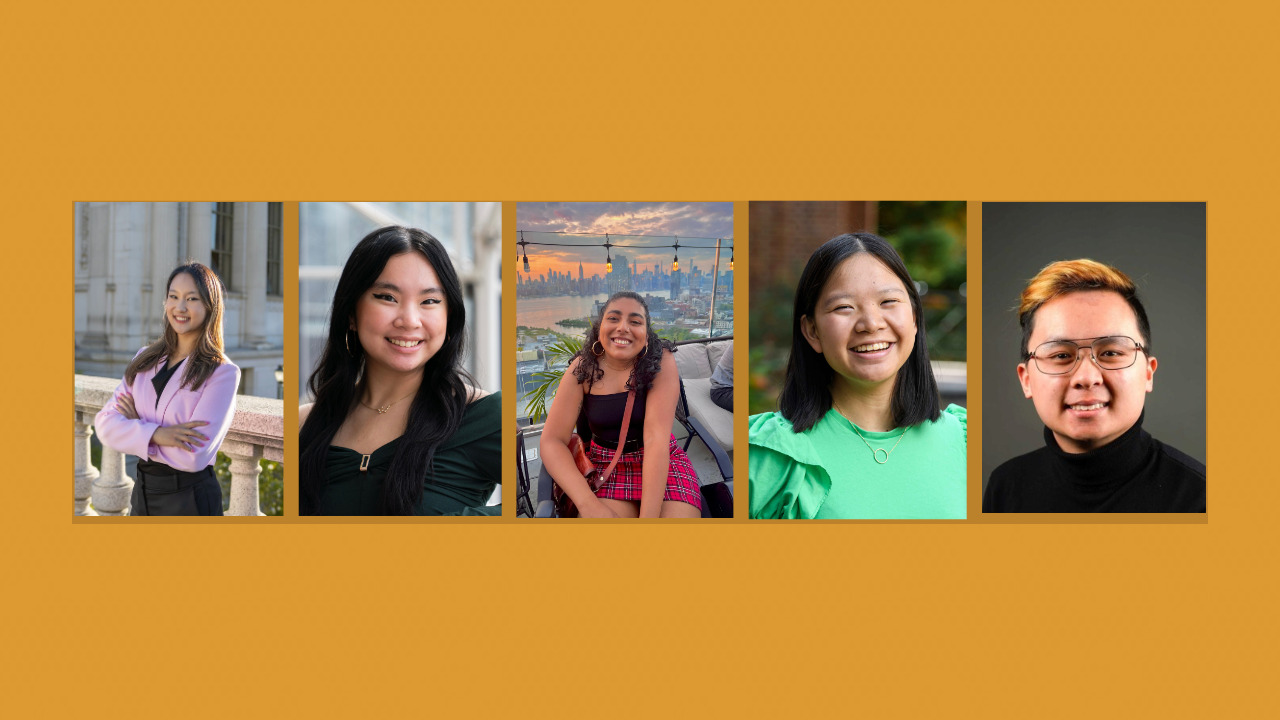
For National Disability Employment Awareness Month (NDEAM), Cold Tea Collective’s Advocacy and Inclusion Lead, Dennis Tran, spoke with Peter Lee, a Korean American writer and amputee, and Megan Liang, a Chinese American disability consultant and amputee, about their contributions to the series and the importance of bringing lived experience into creative spaces. Additional conversations with voice actors Aishu Devan (Nisha), Saheli Khan (Pavi), and Major Curda (Jae) offer perspectives on the representation and relationships portrayed on screen.
Together, their experiences reveal how authentic representation is built not simply through visibility, but through opportunities for disabled people to participate in storytelling.
See also: Yvonne Chapman embodies the iconic Avatar Kyoshi in Avatar: The Last Airbender
Disability representation in Avatar: Seven Havens
Pavi is powerful, independent, fiercely loyal, and searching for somewhere to belong. Her disability is part of her identity, but it does not define the entirety of her character.
For Megan Liang (she/her), who began working with Avatar Studios as a disability consultant in 2023, that distinction was essential.

Diagnosed with osteosarcoma at age five, Liang became an above-knee amputee at age six. Her experiences growing up with limb loss have informed her commitment to authentic disability representation, inclusive environments, and creating a sense of belonging.
Beyond Seven Havens, Liang has championed inclusive employee experiences as a diversity, equity, and inclusion practitioner across academic, nonprofit, retail, and public-sector organizations. Outside her professional work, she is a former swimmer and long-time Avatar fan who enjoys traveling with her family and reading books and comics.
“I think sometimes I do want people to see me beyond just my disability when we look at me as an individual,” Liang shared.
For Liang, Pavi’s characterization reflects the complexity of disabled people’s identities. She is empathetic, quirky, and loyal, with interests and relationships that extend beyond her disability.
Liang wanted Pavi to reflect the complexity of real people, with interests, relationships, personalities, and experiences that exist alongside disability.
That complexity also resonated with Peter H. Lee, a Los Angeles native and proud son of Korean immigrants who served as a staff writer on Seven Havens.

Lee previously wrote for Jurassic World: Chaos Theory and was named a 2020 CAPE New Writers Fellow and a 2021 Austin Film Festival Award winner. His personal journey with limb loss was also featured on This American Life, documenting the fitting of a prosthetic arm and bionic hand.
Following a cancer diagnosis in 2008, Lee underwent an above-elbow amputation of his right arm in 2010. Learning to navigate life with one arm reshaped his understanding of independence and how others perceived him.
Those experiences informed his perspective on Pavi, particularly her self-sufficiency.
“I definitely didn’t want to be seen as lesser than,” Lee recalled of adapting to life after his amputation.
He recognized something familiar in Pavi’s determination to navigate the world independently. Yet her journey also involves learning to make room for new relationships and connections.
For Lee, the goal was never to portray Pavi as someone deserving pity. Instead, she could be capable and independent while still discovering what it means to rely on others.
See also: Breaking free from the model minority myth as a neurodivergent Vietnamese American
Asian American Identity, disability, and belonging
Beyond disability, Lee and Liang brought their experiences as Asian Americans into conversations about Pavi’s character.
Growing up in predominantly non-Asian communities, Lee frequently found himself navigating unfamiliar social environments and trying to understand where he belonged.

“I feel very much cut from the same cloth as her, like kind of a weirdo outsider,” he shared.
That feeling of being different informed how he understood Pavi’s transition from a familiar environment surrounded by her companions into a broader world of human relationships.
Liang similarly reflected on how Asian identity and disability can create overlapping experiences of isolation, particularly when people struggle to find communities where both identities are understood.

“I think it is difficult to find representation and a sense of belonging at just being disabled maybe or just being Asian,” she explained.
For Liang, Pavi’s loyalty to her friends and found family reflects a desire that many disabled Asian people recognize: finding community without having to separate or minimize parts of themselves.
Rather than presenting belonging as something Pavi automatically possesses, the series allows her to search for it, build relationships, and discover where she fits.
That sense of belonging also extends to the characters’ relationships and the cultural details woven throughout Avatar: Seven Havens.
In a separate conversation with Cold Tea Collective, voice actors Aishu Devan (Nisha), Saheli Khan (Pavi), and Major Curda (Jae) reflected on the representation and relationships portrayed throughout the series.

“It doesn’t have to be about representation; you can still have it,” Devan shared, highlighting how cultural references, food, and diverse identities are naturally incorporated into the animated world.
Khan expressed a similar hope for audiences to connect across different backgrounds.
“I’m hoping people from all backgrounds can relate to and also connect with the representation that’s being shown throughout the series,” she said.
For Curda, the emotional relationships between characters are equally important. He hopes audiences recognize how “love and the bond between other people can really overcome everything.”
See also: Disability Pride: Redefining what it means to be disabled and Asian
How disabled creatives shape authentic storytelling
Authentic disability representation also depends on details that may be overlooked without lived experience.
Liang recalled a moment in the second episode when Pavi responds to a question about her leg by saying, “I was just born this way.” The exchange is brief, but Liang sees significance in its simplicity. Disabled people do not always respond to questions about their bodies in the same way. Their answers may depend on the situation, their comfort, or whether they want to continue the conversation.
For Liang, those nuances cannot be captured through research alone. Her consultation extended to how Pavi interacts with others, uses language, and physically navigates the world. She emphasized that meaningful consultation requires more than inviting disabled people to participate. “Creative collaboration is inherently inclusion,” Liang said.
Lee’s position as a staff writer provided a different form of creative participation. While his experience involved upper-limb loss, the production also incorporated consultation from someone with lower-limb loss experience. He stressed that these perspectives complemented one another rather than serving interchangeable roles.
As a writer, Lee participated in developing characters, pitching ideas, and shaping stories throughout the writing process. “I really felt completely heard at every stage,” he said. He also emphasized that Pavi was shaped collectively by the writers and collaborators involved, rather than by any single person’s experience.
For both Lee and Liang, that collaboration demonstrated how representation becomes more meaningful when disabled people are trusted to contribute to the creative decisions themselves.
See also: Miya Cech joins Avatar: The Last Airbender as “Toph”
Disability employment and inclusion in entertainment industry and beyond
The premiere of Avatar: Seven Havens during National Disability Employment Awareness Month offers an opportunity to examine what inclusion looks like within the entertainment industry and beyond.
Lee believes hiring disabled and otherwise underrepresented creatives should not be viewed merely as a public relations decision or diversity requirement. When productions continually rely on the same kinds of creative voices, he argued, they risk producing familiar stories rather than discovering new perspectives.
Introducing different experiences into a writers’ room can create what he described as a different kind of creative chemistry. “Not because it checks a box, not because it looks good for PR or whatever, but because it adds this new dimension of the thing that you’re trying to do,” Lee explained.
Liang’s experience offered another dimension to that conversation. Although she has spent years advancing inclusion across multiple sectors, she had not previously imagined herself contributing creatively to a major animated series. Working on Seven Havens changed that perception.
“It does make me feel like a creative,” Liang shared, reflecting on the opportunity to shape storytelling through her lived experience.
Her career illustrates how disability expertise can extend across industries, from building inclusive workplaces to informing characters and stories that reach audiences around the world. She hopes employers recognize that disabled people bring valuable perspectives across every part of an organization, not only in positions directly related to disability.
For both creatives, employment inclusion requires intentional recruitment, meaningful collaboration, and a willingness to listen after someone has been hired.
See also: Celebrating neurodivergent Pan-Asian creatives in media
Why disabled Asian representation matters for future generations
For Liang, Pavi’s significance is also deeply personal.
Growing up watching Avatar: The Last Airbender, she remembers the impact of seeing Toph, a blind character whose disability did not prevent her from becoming a powerful earthbender.
Now, as an adult with limb loss, Liang sees Pavi as another opportunity for young disabled audiences to recognize themselves in a fantasy hero.
Having previously spent years working with children with limb differences at camp, she understands the importance of showing young people possibilities they may not have imagined for themselves. She also hopes Pavi resonates with adults who grew up without seeing characters like her.
Representation can offer something meaningful across generations: the opportunity to recognize one’s experiences, revisit childhood dreams, and imagine new possibilities.
Lee likewise hopes that disabled and Asian American creatives continue building opportunities for themselves, rather than waiting for the entertainment industry to grant permission.
His own journey, from screenwriting and animation to sharing his personal experiences through audio storytelling, reflects the breadth of stories disabled creatives can contribute.
As Avatar: Seven Havens continues Pavi’s journey, the larger significance may lie in what her story represents both on screen and behind the scenes. A disabled Asian character gets to be the hero. Disabled Asian creatives get to help shape her world. And perhaps the next generation will grow up knowing that they belong in both places.
The first season of Avatar: Seven Havens is now available to stream on Paramount+.
See also: The future of Disability Pride: How five Gen Z disabled Asian Americans are shaping what’s next