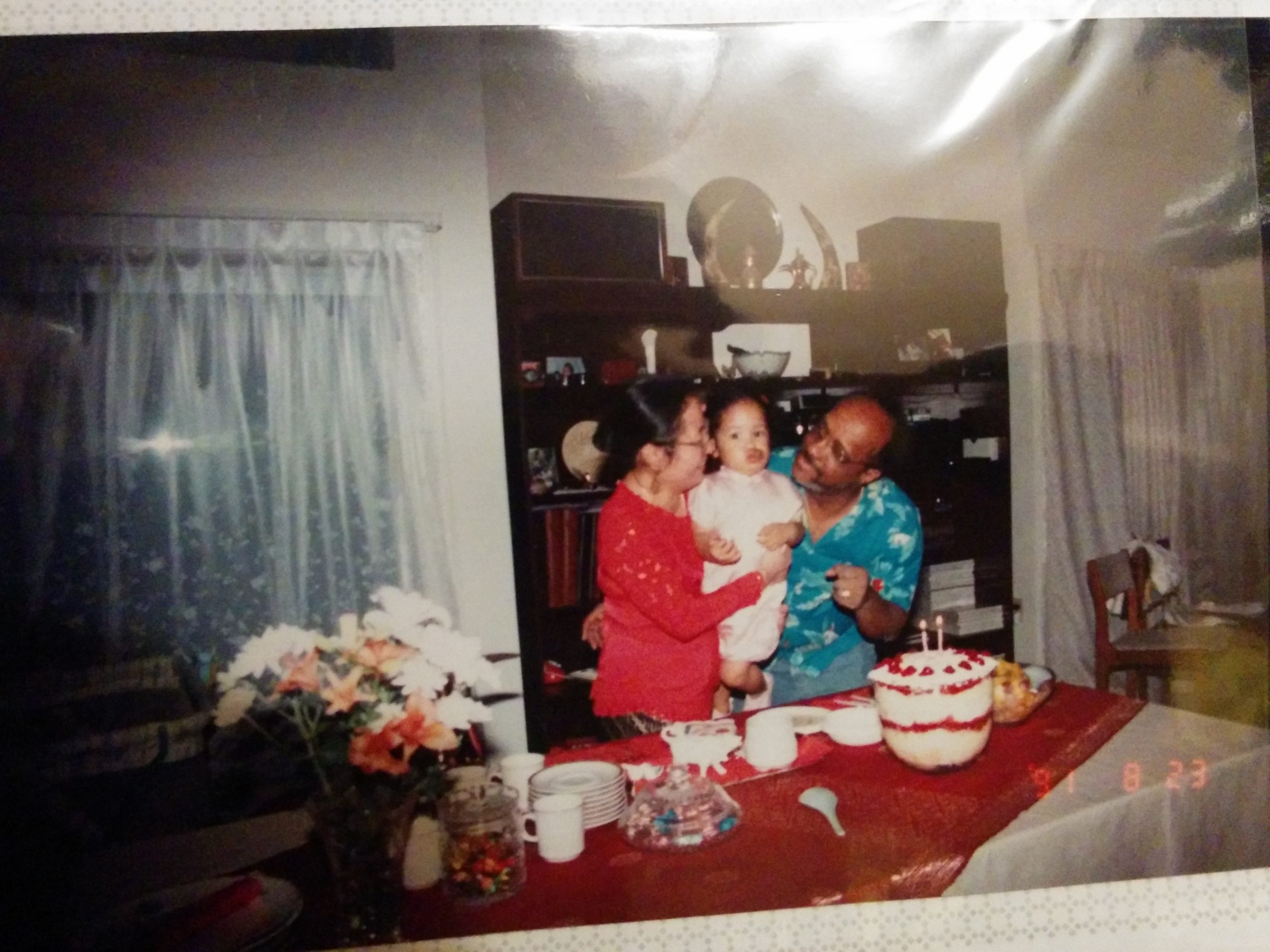
My name is Dominique. I’m the daughter of Chinese Filipino parents who immigrated from the Philippines 30 years ago as settlers to Richmond, Canada, where I became the first in my lineage to be born outside of Asia.
Now, as a high school humanities teacher, I’m happy to be able to continue to teach and live in the community that I grew up in. At the moment, I’m lucky to be able to work from home to provide continuous learning opportunities for my students online while also voluntarily providing on-site support for other learners at school a few times a week.
The current school that I teach at has a student demographic that looks largely like me. Two of the three administrative positions at my school are held by people of colour, as is my department head.
These are factors that drew me to teach at this school — seeing a version of my own personal upbringing and experiences recognized and embodied in positions of impact and change, a reality so vastly different from my own high school experience.
That isn’t to say that there aren’t still ongoing challenges I face among my colleagues, such as navigating awkward and triggering comments when it comes to racial and cultural identity — most recently on the topic of wearing masks during the COVID-19 pandemic.
As a minority in my workplace and a younger woman of colour, whether I want to feel it or not, there is always a heightened sense of my othering. But with the students, I often sense that even if not said aloud, these identifiers influence the types of lived experiences and conversations they feel comfortable sharing with me.
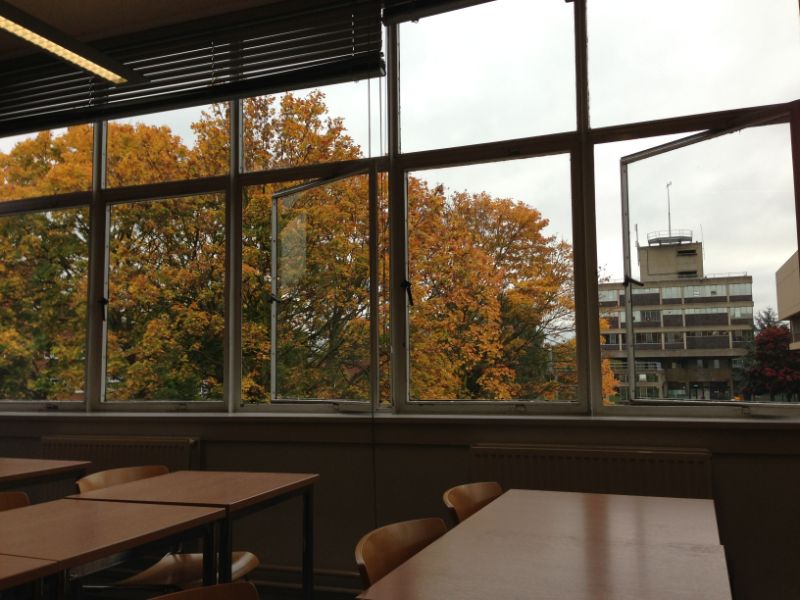
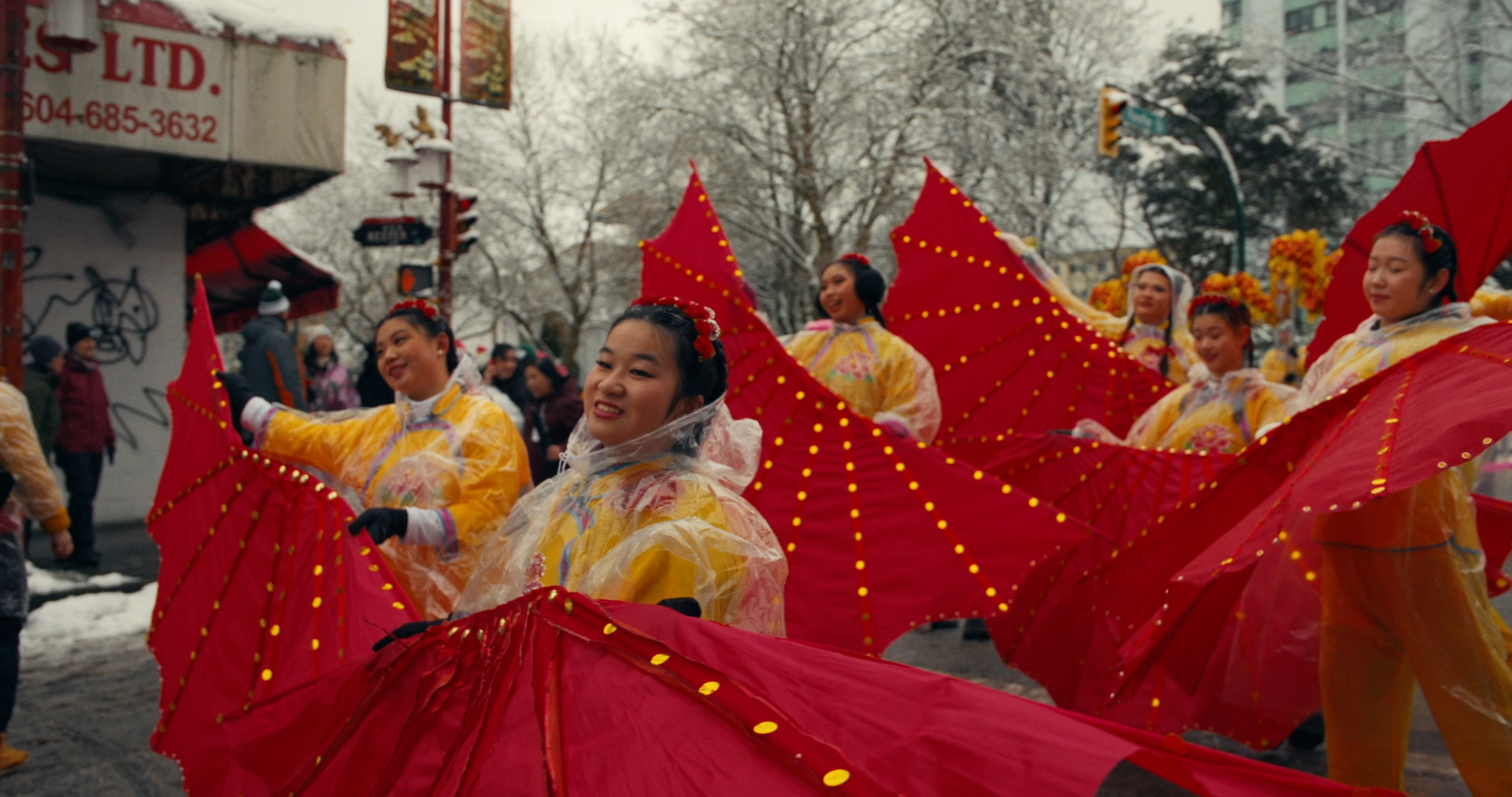
Earlier this year at school, increased discussions and responses to COVID-19 began around the time of Lunar New Year. Misinformation and xenophobic responses accompanied the sudden presence of face masks. The students’ excitement to celebrate a cornerstone celebration of their cultural heritage was painfully subdued against the backdrop of comments about “eating dog” and “going back to where you came from”.
The best teachable moments are the ones that aren’t planned for. They are organic, relevant, and in response to something happening in students’ lives in real time. Something important to them.
Taking from the kinds of racist remarks that were being spouted at school along with media headlines about COVID-19, I took this opportunity to unpack where bias comes from with my students.
Capturing headlines from local and national newspapers reporting about COVID-19, the students engaged in a critical reading activity that asked them to read the headlines with a prompt in mind: What specific words, phrases, or images were used by the author that shaped your understanding of this article?
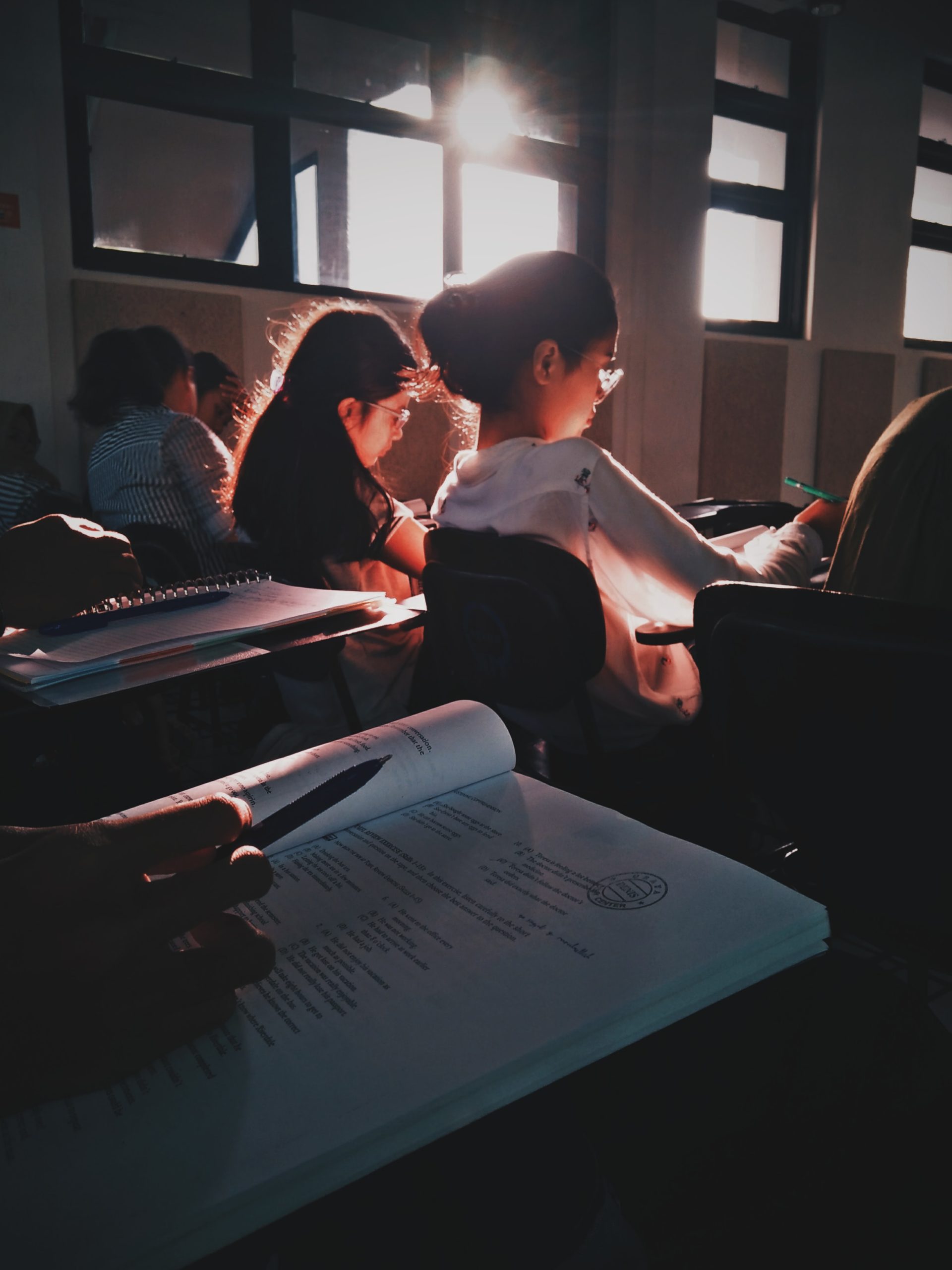
I love teaching middle school humanities because the students at this age offer a perspective on life that is really honest and growing. After reading the different articles and conducting analyses in small groups, the students shared their findings. Projected onto the white board, students could physically point to evidence of words, phrases, and images that were used in the media that shaped their understanding of each article — for better or for worse.
Finally, we took it further. After the students had a chance to rewrite problematic headlines, I provided the class with an opportunity: they decided to write letters to the editor to a local paper in response to articles they found misleading and racist.
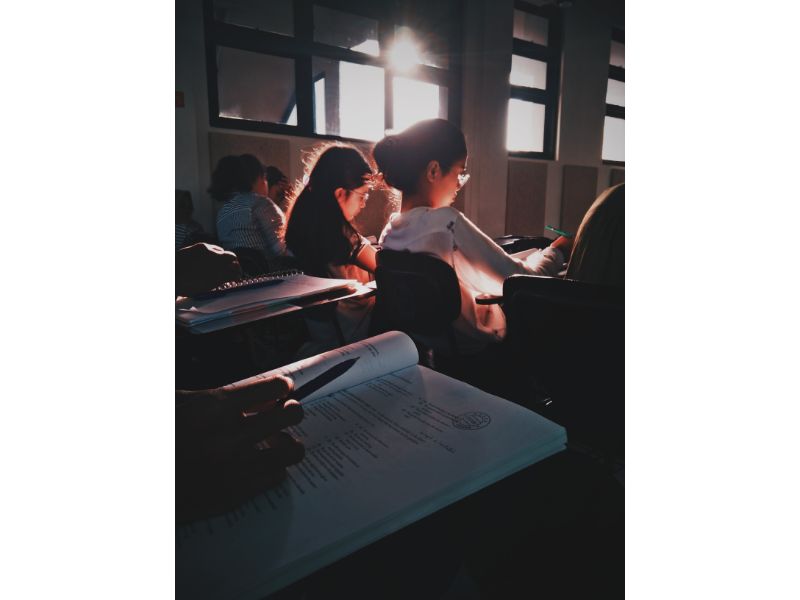
For all my students, it was their first time writing a letter to the editor. We used this opportunity to identify and discuss what tone of voice would be effective to convey one’s thoughts, the style and word choice that would be most impactful and accurate, and the planned method of presenting one’s ideas in a logical and accessible manner.
I gave the students a choice if they wanted to submit their letters to the local paper, or just to me as practice. Many were hesitant, deferring to me about whether or not they thought their letter was “good enough”. More heartbreakingly, some asked whether or not it would even matter if they submit their letter, fearing that their voices as young people wouldn’t be taken seriously.
After further revisions, I was so excited by the number of students who agreed to submit their letters to the local paper. In a class of 21, 14 submitted.
A week passed and no letters were published. I followed up. There was no reply.
When a second week passed and the students were still inquiring about their letters, I decided to follow up with the editor once more just to confirm if they had received my students’ letters.
A few days later, in a reply, I learned that the paper felt that the students’ letters were “too much like a class assignment”. The editor had initially selected one student’s letter to possibly publish, but then sent me a follow up email explaining they decided against publishing the letter because they felt that the student was making untrue claims about their publication.
Specifically, they denied that they had published an article reporting on the “Chinese coronavirus” — the contention that the students had so ardently pointed out as racist in their letters.
I let this email response simmer for the evening. The next morning I contacted the student whose letter was initially selected. In top secret form, we reviewed his letter one more time, tightening up word selection, double-checking formatting, and emphasizing the “I” in his student voice. I told the student that I’d keep my fingers crossed his updated letter would be accepted, and that we should hold off announcing to the class this news until we heard anything further. He agreed, so excited.
Later after school that day, I calmly and politely replied back to the editor with a brief message containing two things: the student’s updated letter, and a link — proof in hand from the original article in question where its text did indeed read as “Chinese coronavirus”. Again, I thanked the paper for reading and considering the opportunity to publish any of the students’ letters.
I never received a reply.

The next morning when I got to school, I walked by the stack of recent newspapers delivered. Musing, I absentmindedly picked up a copy and skimmed the pages to check the local paper’s letters section, expecting again that it would not contain any of my students’ letters. But there it was: upper right corner. To my surprise on the second page, one letter was finally published.
You can best believe I grabbed the entire stack of the publication from our school’s staff room. Oddly, it just so happened the student whose letter was published was tardy that day, and I took those first five minutes to share the good news with the class. They were ecstatic, and came up with a plan of how to let their classmate know.
Upon his entrance into the classroom, the students began clapping and cheering. The student was so bewildered, eyes growing larger as he looked at the newspaper his peers were pointing at. He was speechless. I was basically in tears. (It’s true: One of the students in the class was recording the entire thing.)
I couldn’t have been prouder. In my teaching career, there are only a handful of key rare moments that really define why we do this job and what we’re really teaching our students. This was one.
I hold onto this memory tightly now as we experience the viral effects of COVID-19, particularly as it’s been challenging to convene as a class and discuss what’s happening around us. I hold onto this memory hoping that wherever life takes these students, many of whom are youth of colour, that they feel equipped to resist against the growing xenophobia and racism that seems to have been given license to virulently spread.
I look back to this experience and my students, and how they teach me so much about what empathy, integrity, and courage can look like beyond the classroom walls… and isn’t that what education is all about?
Forging a new path forward
COVID-19 blindsided everyone. It has shone a light on the societal realities of inequities that are often swept under the rug. It has revealed power structures and power players that are ignored and accepted as status quo. It has demonstrated that even still, people have found ways to be resilient despite broken systems. It shows us we need to do a collective better.
These realities are reflected just the same in the education system and in our schools. How does educational leadership respond to a global health pandemic while being sensitive and aware that race is at the forefront of this experience? Now more than ever, COVID-19 highlights that anti-racism education cannot be a mere reactive approach. Anti-racism work must be ongoing and intentional.
If we really want to eradicate hatred in our education system and individual learning, then we need to move away from the guise of celebrating multicultural days as being proof that our schools are not racist.
If we are truly committed to bias and racist- free environments in our schools, then this commitment requires every single actor within the education system to reflect on their power, privilege, and positionality, lean into this discomfort, unlearn their biases, and adopt a perspective that views the world from an equitable lens.
Unfortunately, the conversations that I have with my students and the work that we do in my classroom are not enough. And more importantly, anti-racism work can’t just be the assumed or burdened responsibility of folks of colour, but for the collective.
Anti-bias work is not a performative checklist: It is continuous, it is necessary, and it can be transformational.