The expansion of of queer Asian narratives in XO, Kitty

XO, Kitty second season takes a significant step forward in LGBTQ+ representation, particularly in the Asian community.
With the show’s Top 10 ranking on Netflix worldwide–and second place in the U.S.–its reach ensures that these stories are not only being seen but are also being celebrated at an unprecedented scale.
The series has been praised for its natural and positive portrayal of queer relationships, breaking barriers in how LGBTQ+ identities are represented in mainstream media across a range of characters.
Celebrating queer Asian characters in XO, Kitty
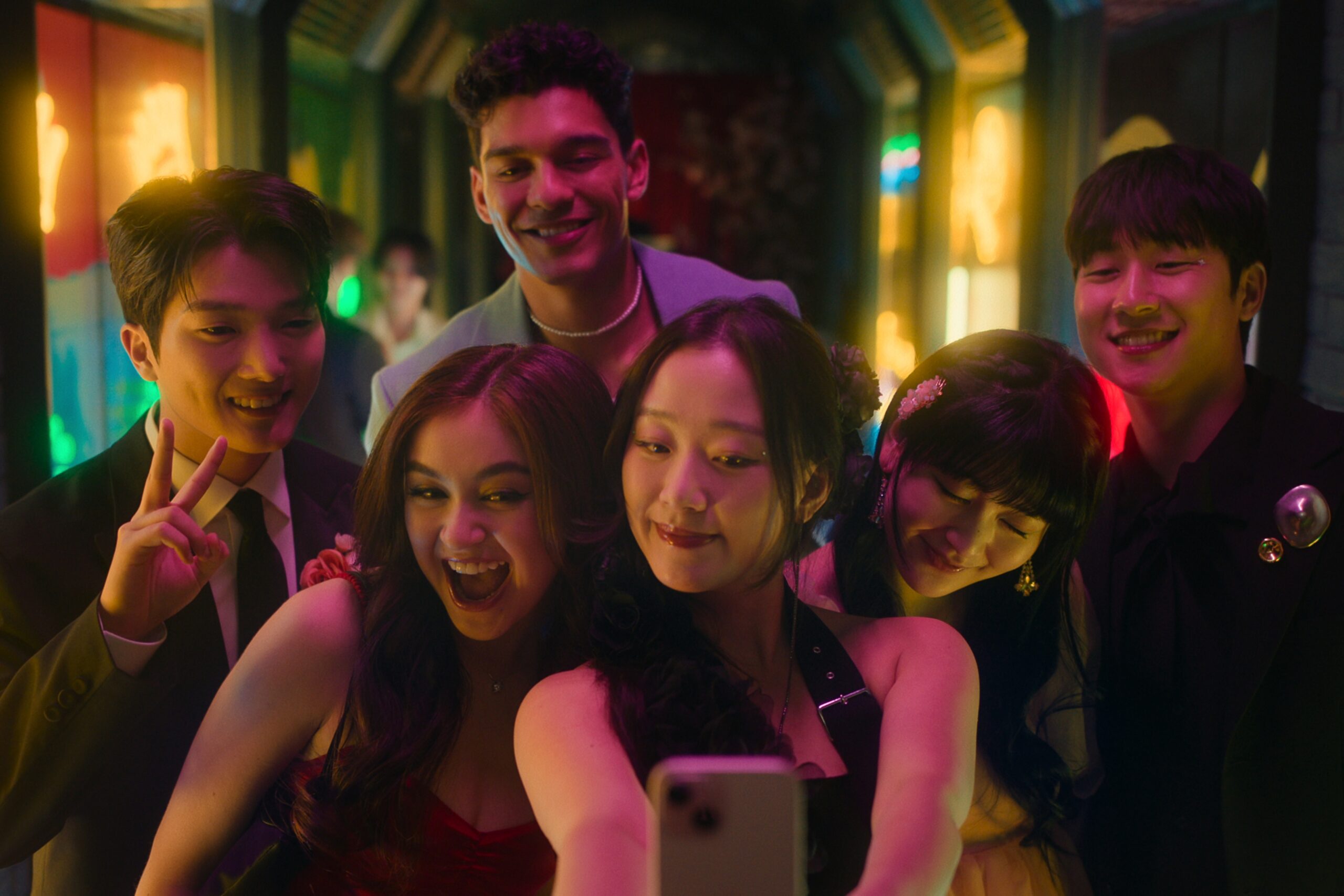
The show’s titular character, Kitty Song Covey played by Anna Cathcart, embraces her bisexuality as she navigates her feelings for multiple characters. The show also creates an expansive and deeply layered depiction of queer identities through these characters.
Quincy ‘Q’ Shabazian, played by Anthony Keyvan is one of the few openly gay students at KISS, Kitty’s loyal best friend, and we get to see him navigate multiple queer relationships across both seasons.

To add, this character could’ve been written as the stereotypical gay best friend, but instead he was afforded much more depth and had his own journey as an individual, not just solely as a queer plotline. We also get to celebrate the specificity of his character’s Filipino and Iranian heritage, which was a decision by showrunners to have Q’s character mirror Keyvan’s mixed identity in real life.
Gia Kim’s ‘Yuri’ and Regan Aliyah’s ‘Juliana’’s romance adds depth to the show’s exploration of queer love and navigating parental acceptance.

Season two also welcomed Sasha Bhasin as ‘Praveena’ whose confidence, coolness and clear sense of self-worth represents a broader range of queer narratives within the series.
‘Jin,’ played by Joshua Lee, exists in a world where expectations are set high—mirroring real-life struggles of many queer Asian Americans who feel the weight of cultural and familial pressure. Jin’s arc of self-discovery aligns with XO, Kitty’s broader themes of identity, belonging, and the courage to follow one’s heart.
See also: Joshua Lee steps into the spotlight as ‘Jin’ in XO, Kitty
The personal impact of seeing queer Asian representation in XO, Kitty
As I watched XO, Kitty, each of the queer characters reflected different facets of navigating queer identity.
Within Asian communities, where love and relationships are often viewed inbinaries—male or female, straight or gay–when it is more of a spectrum, this is especially impactful.
For many of us, the journey of self-discovery isn’t as clear-cut. Growing up, I often prioritized external validation, striving to excel in ways my family valued, even when it meant setting aside my authentic self.

Sexuality and identity exist on a spectrum, and seeing characters like Jin, Kitty, Yuri, Q, Julliana and Praveena explore their relationships, sometimes questioning and other times embracing, mirrors the lived realities of so many queer Asian Americans. These characters challenge traditional narratives and offer a more expansive view of what love and identity can look like.
XO, Kitty doesn’t just explore themes of identity and self-discovery—it does so with nuance and care, creating space for those of us who rarely see our experiences reflected onscreen.
The global success of XO, Kitty proves that audiences are ready for and invested in these stories, paving the way for even greater inclusion in entertainment.
XO, Kitty season two is now streaming on Netflix.
See also: Fire Island: Finding the intersections between queer and Asian American culture