This month marks a year since I started writing for Cold Tea Collective. I often find myself reflecting on anniversaries—large and small—so I spent some time thinking about why I decided to write here to begin with and our relationship is going (spoiler: I’m sticking around).
How I wanted to be Jay Caspian Kang but also not Jay Caspian Kang
When I was sixteen, I started consuming online news much like I did dino nuggets at age six. This mostly was before paywalls when ad blocker extensions and incognito mode would do the trick. I’d splurge my time on a fringe outlet here and there, but I read lots of what I considered mainstream articles: The Atlantic, The New York Times, Politico, and the like.
Reading articles with big words was a bit like cosplaying adulthood to me. I felt connected to the world through the news and loved that sensation. However, these articles had a noticeable gap.
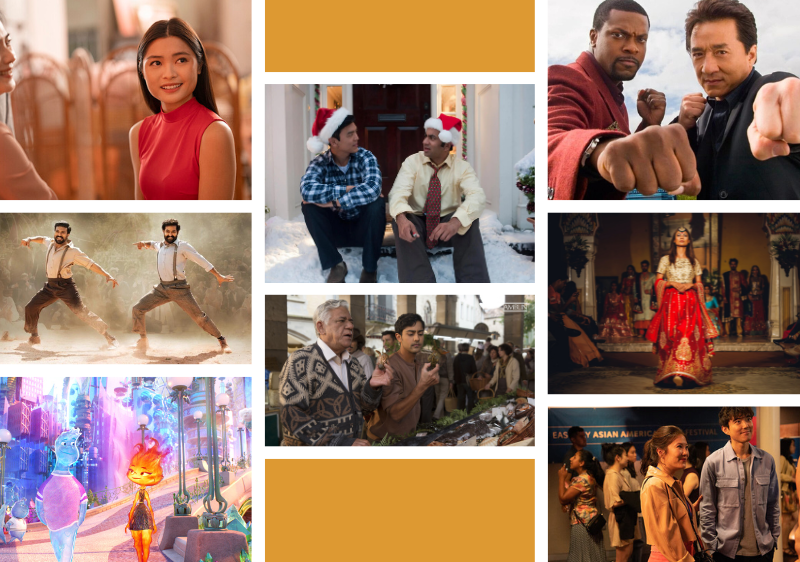
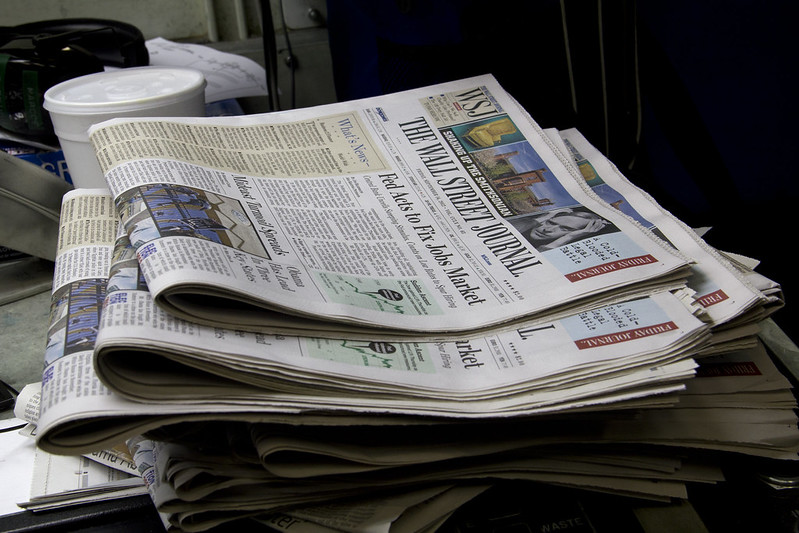
Personally, I observed that The Wall Street Journal or Washington Post never featured things my family would discuss at the dinner table. To me, how certain movies made us feel and how the perceptions of our family at my school impacted my day-to-day life were newsworthy. I wanted to read those stories—to hear what other people who were similar but different enough from us felt.
I wasn’t alone in this thought. Certainly, editors noticed the odd silence across the board (and the growing Asian American readership). They brought what they thought were Asian American discourses in the form of voices like Jay Caspian Kang, Viet Thanh Nguyen, and Hua Hsu into the public purview.
I admired those Asian American writers, and their words still strike my heart in moving and poignant ways. But when they are among the few allowed to whisper in the common ear, the language and vision around Asian America shrinks.
As far as I could tell from what I read, Asian Americans all fell along a spectrum that ranged from coastal model minority rejects to once-sob-story now-successful immigrants. As a kid who grew up a stone’s throw from cattle ranches in North Central Texas, sometimes that was me. Oftentimes, it was not.
See also: The Emergence of Muslim American Gospel
How being labeled an “Asian American” writer felt limiting
Still, having Asian American writers contribute regularly in mainstream publications was a win. Yet, editors limited Asian American writers and reporters to what their view of newsworthy Asian American issues was. Publications see migration, the model minority myth, prejudice, and assimilation as the defining issues for the community—and the articles they greenlight to date seem to say so as well.
There remains a huge focus in published articles on the Asian American community touching on those themes from affirmative action to flare-ups of anti-Asian sentiment, certainly all newsworthy, no doubt. However, when editors have an invisible cap on how much Asian American content can cover the pages, they leave out much more of our story, including the diversity of the Asian American diaspora.
For instance, The New York Times released a piece in 2021 called “How It Feels to be Asian in Today’s America” (a massive idea to capture in a few scrolls) made up of transcribed quotes. The piece reads as a cherry-picked selection of sound bites supporting their existing reporting about violence directed at Asian Americans at the time.
Not once did the editors publish anyone talking about joy or happiness—or they were glad to be Asian Americans. It was an especially difficult time in our communities, and it’s never easy to be us. But that doesn’t mean that we are soulless people incapable of smiling or showing gratitude.
See also: Rush Hour: Buddy Cops tackle racial Bias
How I’m continuing my growth as a “more than Asian American” writer
At the same time that I was finding the words to describe my qualms with the current state of reporting and journalism around Asian Americans, I started finding my voice as a writer. I wanted a place to tell the stories I was interested in where I wouldn’t have to justify what thematic bucket (or hot sound bite) my piece would fall into. I didn’t want to write in elevated academic terms, but in words accessible to anyone. That was the style of writing I wanted to grow into and the stories I wanted to tell.
Cold Tea Collective is a place I could learn and grow into my voice, and I’m grateful to hear what others think of the conversations at my dinner table from the whitewashing at the Oscars to the seemingly paradoxical phenomenon of immigrant children escaping their parents in the homeland. And as such, I look forward to another year of writing at Cold Tea Collective.
See also: Keep RRR-evolting: Return the Oscar for “Naatu Naatu”