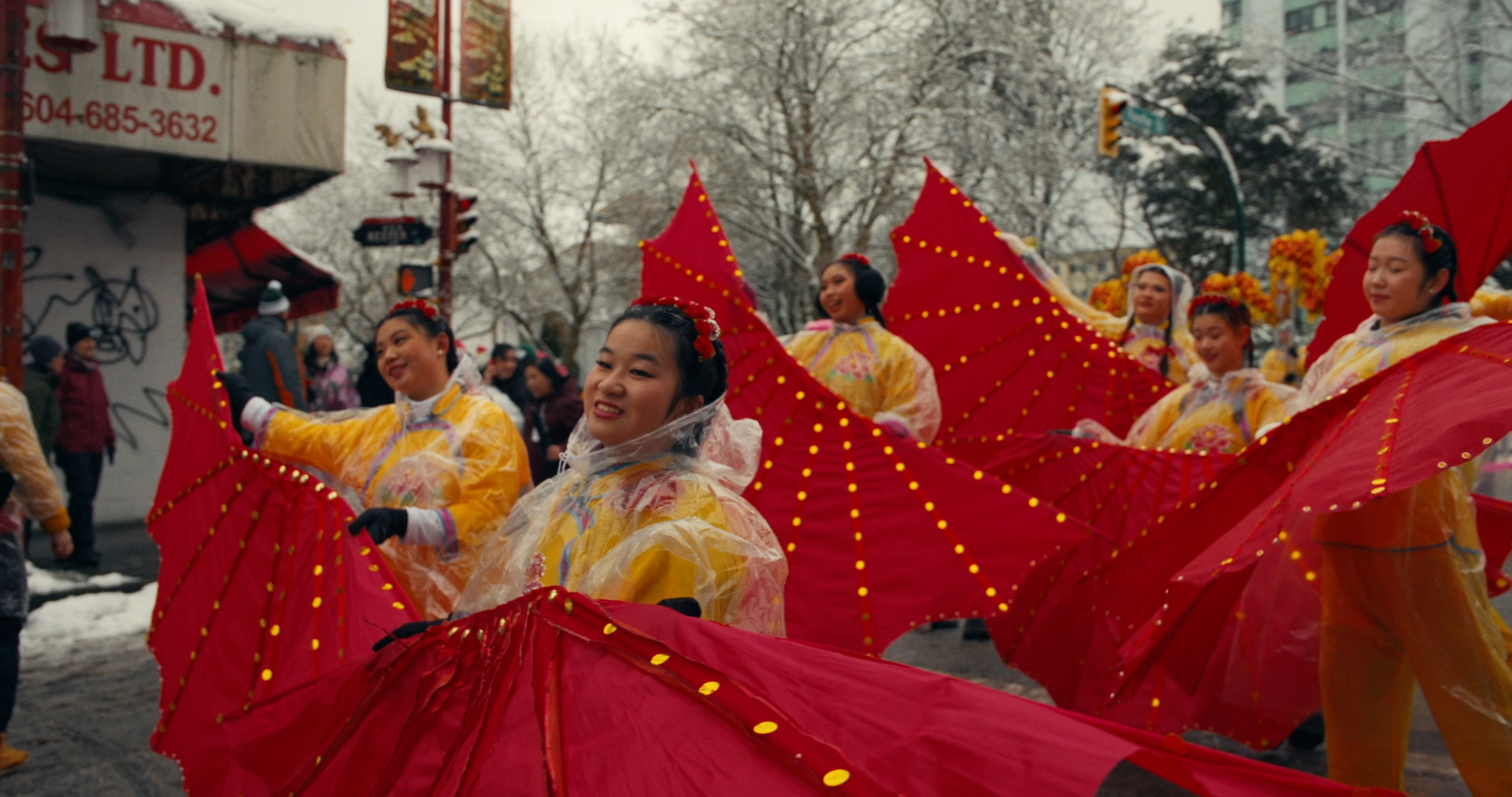
Within the vibrant dynamism of giant dragon puppets and exuberant dances of Vancouver’s annual Vancouver Chinatown Spring Festival Parade lies an intimate story of immigrant struggle and familial love. The celebration’s lifeblood is the passion instilled within three daughters by their immigrant Chinese mother, the late Ms. Maria Mimie Ho, a founder of the parade who unashamedly shared her heritage with the Vancouver community.
After their mother’s death, these three sisters, Anabel, Val, and Lisa Ho, reunite in Vancouver to continue the annual parade, faced with difficult choices about how to honour their mother and her legacy.
Spring After Spring, a new documentary directed by Chinese-Peruvian Canadian filmmaker Jon Chiang, captures their experiences leading up to last year’s parade and each of the sisters’ unique stories — as dancers, parade organizers, sisters, and second-generation daughters.
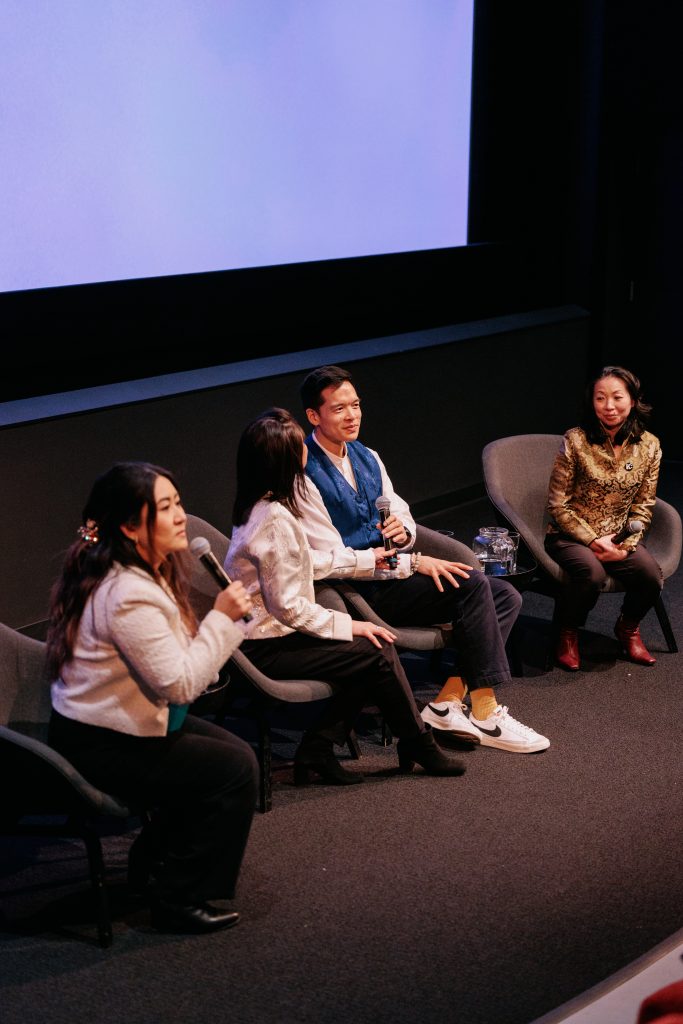
Cold Tea Collective’s Natasha Jung moderated a post-screening Q&A with Chiang and two of the three Ho sisters, Anabel, and Lisa, kicking off the first of five theatrical screenings for the film. From February 17 onward, the film will be available to watch for free on Knowledge Network.
Building community through dance and memory
Interweaving archival footage of the sisters as kids, decades-old videos of the Chinatown Parade led by Mimie Ho, and scenes from the present day, the documentary elegantly narrativizes their nuanced multicultural upbringing dancing in the Chinatown parades.
The sisters grieve while recounting delightful and painful memories of their mother, contrasting their lives in the Cantonese-speaking family with their lives as Chinese Canadians — something emphasized through code-switching and imitating their mother’s Cantonese vernaculars.
They overcome an additional hurdle in pursuing their artistic dreams. Even though their mother fervently pushed them into dance at a young age — which would eventually inspire all three of them to become professional dancers, she never wanted them to pursue dance as a career.
In the film, Val, the middle sister, explains that their mother regarded dancers’ gig lifestyles as “ridiculous” and “ludicrous”: after all, for an immigrant mother who had to struggle in an entirely new country just to make ends meet, why would she want her own daughters to struggle like she did?
Yet, Mimie Ho was at the center of a tradition that luminously celebrated her heritage and united many of Vancouver’s young Chinese dancers. Even though she never received any formal training, she diligently learned to dance through observing Chinese dances described through illustrations in the books she read.
“She was a force to be reckoned with,” reflects Anabel, the eldest sister, at the Q&A.
Preserving heritage, one step at a time
Spring After Spring follows Anabel, Val, and Lisa two months before the Chinatown Parade as they work long hours to prepare for it. They recognized their mother’s tenacious efforts, single-handedly organizing these large-scale performances and resourcefully crafting costumes for hundreds of dancers in the parades.
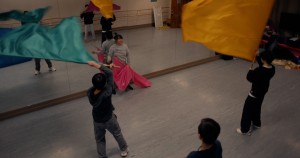
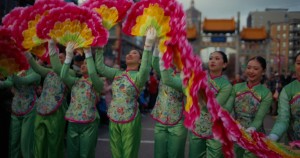
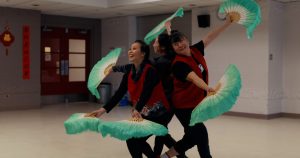
“She taught [the dancers] the routine. She costumed them. She would sew till the mid hours of the night to make sure everyone had a costume,” says Anabel. “She just wanted to share as much as she could with everyone.”
It takes a fierce amount of commitment to continue bringing this event to life year after year– something Lisa attributes to their dedication to Vancouver’s Chinese community.
“We personally [organize this parade performance] for our mom, but we do it for our community, too,” shares Lisa. “Chinatown is struggling, and it’s the one day of the year that I feel like Chinatown shines its best.”
From the countless hours spent preparing for the parade to the many dance rehearsals, the community’s strength shines through in the ongoing efforts to revitalize the neighbourhood. Spring After Spring preserves the history and resilience of Vancouver’s Chinatown.
Mimie’s legacy continues on in Spring After Spring
Prior to the screening at Chinatown Storytelling Centre, director Jon Chiang had presented the film at the Vancouver Asian Film Festival, where in attendance were many members of the Chinatown community that personally knew Mimie Ho and her three daughters.
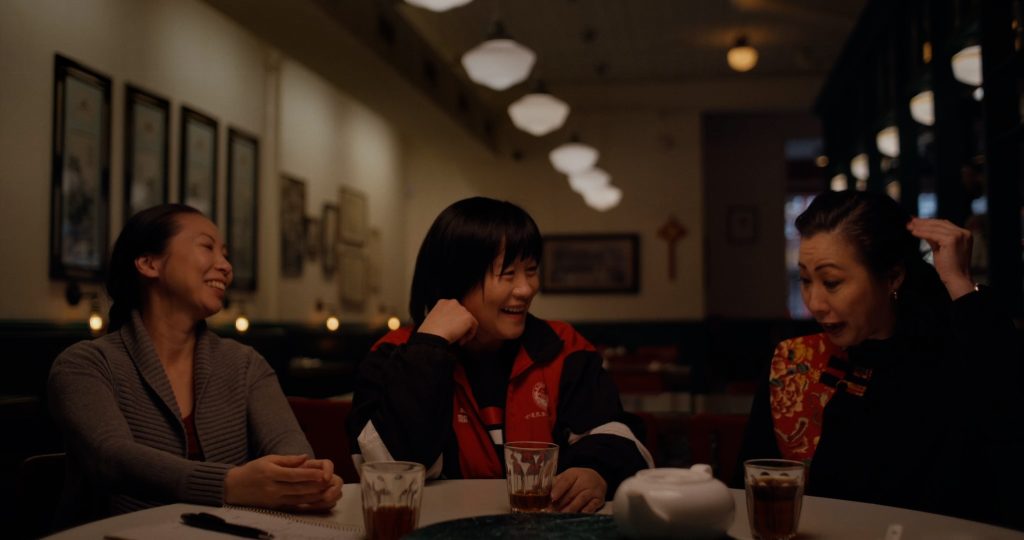
“People felt that Mimi’s story was really captured in the essence of who she was and her legacy as well,” says filmmaker Jon Chiang. “So I feel like that was just incredible to hear from the people closest to her.”
“Jon’s greatest gift to us is having this family heirloom to show our relatives who didn’t get to know her,” adds Lisa.
Chiang’s film is more than a portrait of a family that creates community by dancing and honouring their Chinese heritage. For the Ho sisters, the central question that this film raises – whether to hold onto or let go of a mother’s commitment to her passion and tradition – might very well be answered by the creation of the film itself.
While they don’t know the future of the parade after them, Spring After Spring preserves the jubilance and impact of Mimie’s uncompromising resolve in creating the parade and raising her three daughters.
“[The film] puts our heart to rest that if the day does come and we do have to hang our shoes up and bid farewell to our participation in the parade, that we still have this film to continue with the legacy,” says Anabel.
Watch Spring After Spring on Knowledge Network starting February 17, 2026.
See also: Building communities beyond Vancouver’s Chinatown with Anita, Alyce, and Amy Chan