Every January, National Mentoring Month invites us to reflect on the people, programs, and communities that help shape who we become.
For Asian American, Native Hawaiian, and Pacific Islander (AANHPI) communities, mentorship has long been a quiet but powerful force, often happening informally through family, community elders, mutual aid, and chosen networks.
In a society where access to opportunity is uneven, mentorship becomes more than guidance. It becomes infrastructure. It becomes survival. And, at its best, it becomes a pathway to collective thriving.
This National Mentoring Month spotlight highlights programs that actively cultivate leadership, care, and access across generations and identities within AANHPI communities.
See also: The importance of giving forward and raising the next generation of new voices
Mentorship for AANHPI youth
Asian American Dreams (AAD)
Asian American Dream builds culturally rooted leadership pipelines for AANHPI youth through storytelling, creativity, and civic engagement. Its programs, including Kin Mentorship, the AAPI Creator Incubator, and the Thriving AANHPI Leadership Accelerator (TALA), support young leaders as they develop confidence, community, and purpose.
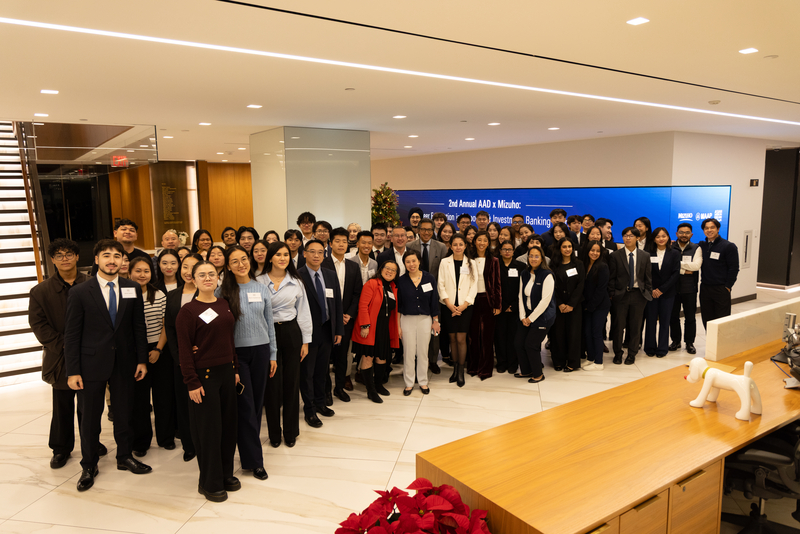
These initiatives are strengthened through partnerships with The Asian American Foundation and Asian Pacific American Labor Alliance, grounding mentorship in both cultural identity and systems change.
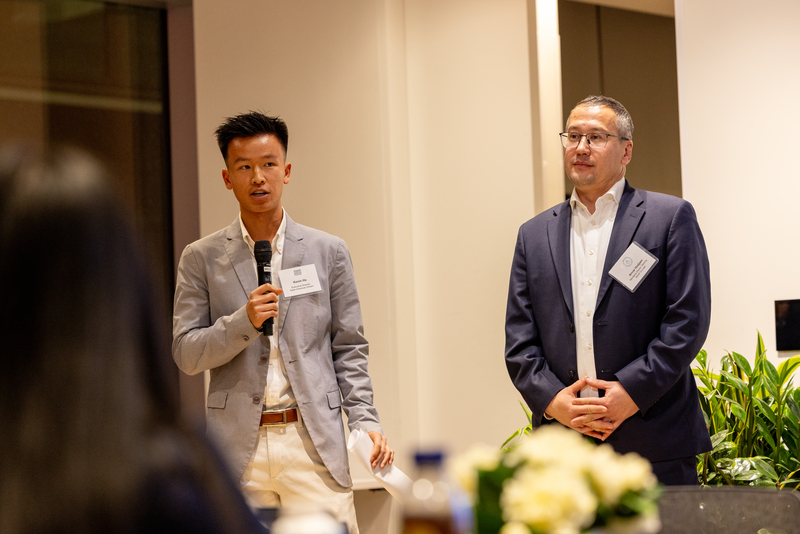
“Mentorship is an incomparable catalyst to achieving your dreams,” shares Kevin Ha, Founder and Executive Director, Asian American Dreams (AAD). “Asian American Dream wouldn’t be creating impact at this scale without the various mentors I’ve had throughout my professional career.”
Act to Change
Act to Change’s Youth Ambassador Program empowers AANHPI youth to address bullying, discrimination, and hate through advocacy, storytelling, and peer leadership. The program centers youth voice while providing mentorship that supports healing, resilience, and civic engagement.
Leadership Education for Asian Pacifics: LEAP Emerge
LEAP Emerge is a paid, year-long fellowship for students and emerging leaders navigating their earliest steps into leadership and career. This program provides skill-building, culturally grounded mentorship, leadership training, and community for students, particularly first-generation and underrepresented AANHPI youth, who are exploring their voice, values, and capacity to lead.
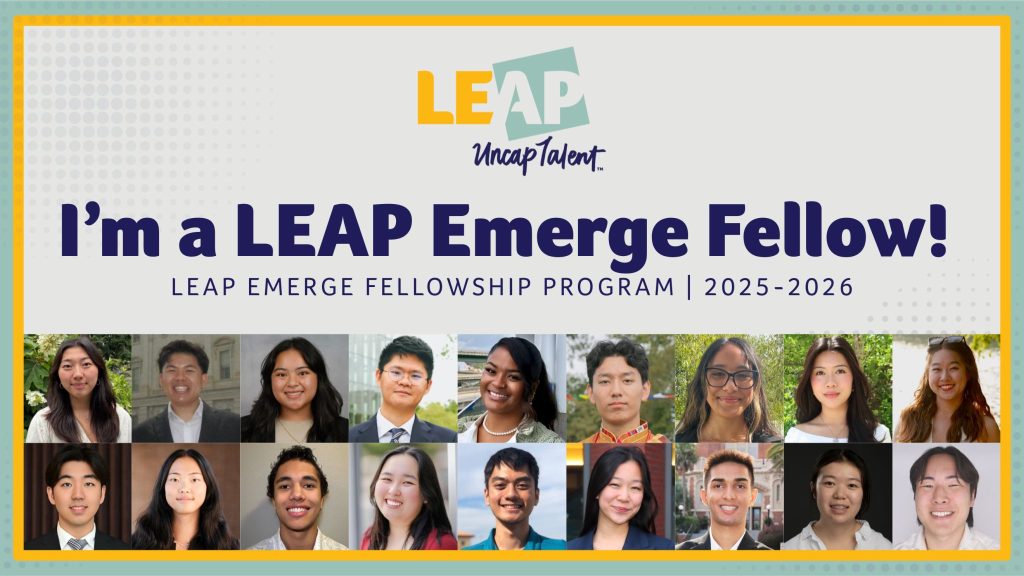
The 2026-2027 program cohort will include stipends of $3,000–$5,000 or more, mentorship, and three to six hours a month of training to support AAPI students. Applications for the 2026–2027 cycle are open until March 13, 2026.
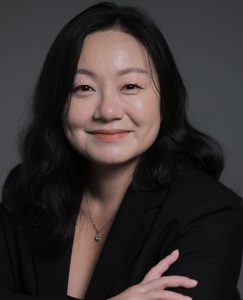
“The heart of our LEAP Emerge Fellowship program is connection. One of our greatest assets is our vast alumni network, and there’s a special magic when alumni of our programs return to guide our current college students in their own journeys and careers,” shares Elaine Chiu, Program Manager at LEAP Emerge. “This beautiful cycle emphasizes that we aren’t just helping students build professional careers, but lifelong roots within our community, ”
Organization of Chinese Americans (OCA) – Asian Pacific American Advocates
OCA-MAPP connects students with mentors who understand the academic, cultural, and professional challenges facing AANHPI youth. The program emphasizes guidance, access, and long-term growth during critical educational transitions.
Industry and career mentorship programs for AANHPI communities
MJAA Mentorship
MJAA Mentorship program supports early-mid-career professionals with three or more years of career experience. It supports those who are evolving into new roles and would benefit from support in transitioning into the next level of their careers; for example, moving from individual contributor to first-time manager, leading a team as an entrepreneur.
The program also provides support for those who wish to expand their network and build a strong professional community.
Through deep mentor-led “Family Meetings”, real-time skill-building workshops, and lasting peer connections, participants grow together and leave with tools, clarity, increased confidence, and a trusted community.
Ascend Global Leaders
Ascend offers mentorship and leadership development from early career through mid-executive levels across industries. Its programs focus on advancement, executive presence, and building long-term leadership pipelines for AANHPI professionals.
Leadership Education for Asian Pacifics: LEAP
Beyond student leadership, LEAP offers a continuum of programs designed to support AANHPI leaders across career stages and sectors: from emerging nonprofit professionals to executive-level changemakers.
LEAP’s broader programs emphasize values-driven leadership, civic engagement, and long-term community impact.
Through mentorship, cohort-based learning, and cross-sector connection, LEAP cultivates leaders who are equipped to navigate complex systems while staying rooted in culture, care, and collective responsibility.
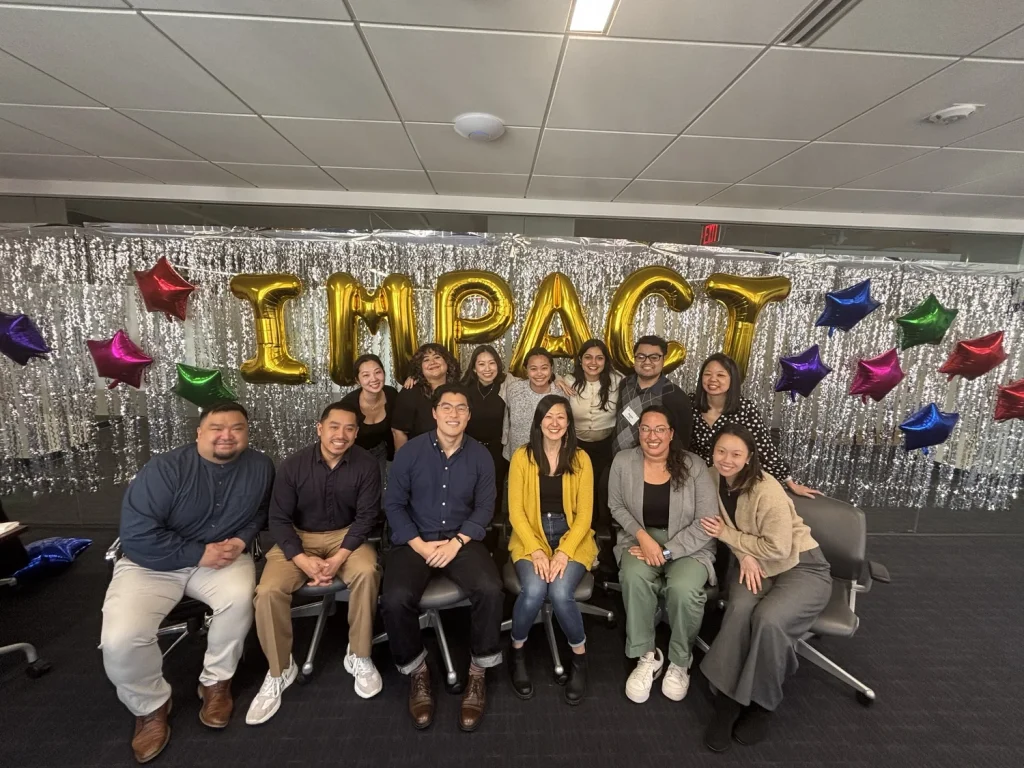
Dennis Tran, Advocacy and Inclusion Fellow of Cold Tea Collective, reflects on his experience being a part of the LEAP Impact Program and the lessons he learned:
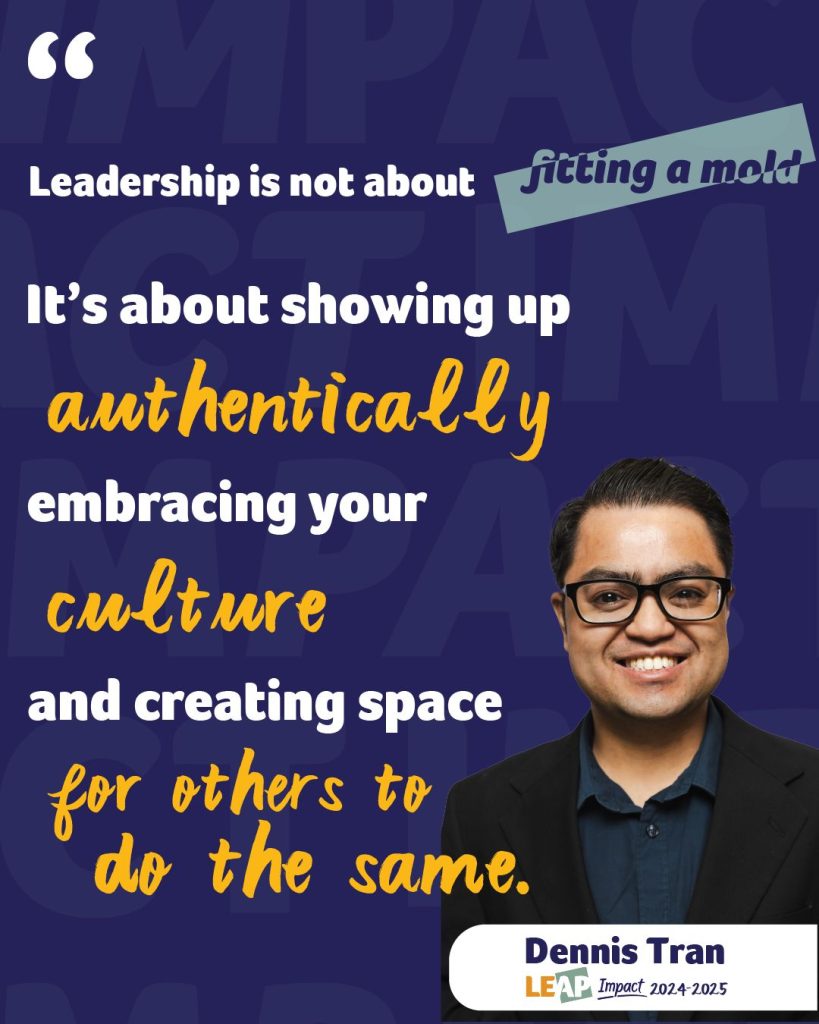
“LEAP’s Impact Program taught me that leadership is not about fitting a mold; it’s about showing up authentically, embracing your cultural and lived experiences, and creating space for others to do the same,” he shares. “Self-awareness, adaptability, and intention are just as vital as skills, and leadership thrives when grounded in cultural humility and care.”
“From reframing power as ‘power with’ and ‘power within’ to unlearning the perfectionism shaped by the model minority myth, I learned that true growth happens in community.”
Peak Pasifika
Peak Pasifika supports writers and creatives through the Writer fellowships that center Pacific Islander and Pasifika voices. However, you don’t need to be Pacific Islander or Pasifikia to apply; it’s open to anyone.
The program offers mentorship, craft development, and community for storytellers across career stages.
Asians in Advertising
Asians in Advertising creates pathways for early-career creatives through mentorship, industry access, and representation-driven advocacy. By connecting emerging talent with professionals across advertising and media, the organization challenges gatekeeping and expands who gets to shape culture.
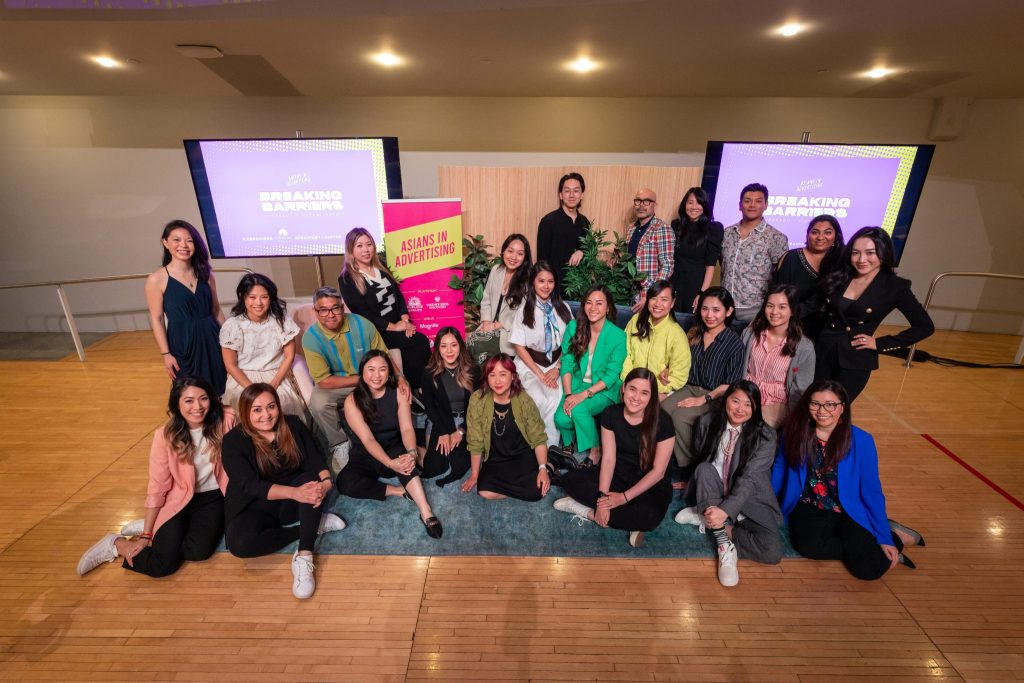
Bill Imada, Chairman, Chief Connectivity Officer, and founder of IW Group, shared his experience in a very stressful pitch in the early part of his career:
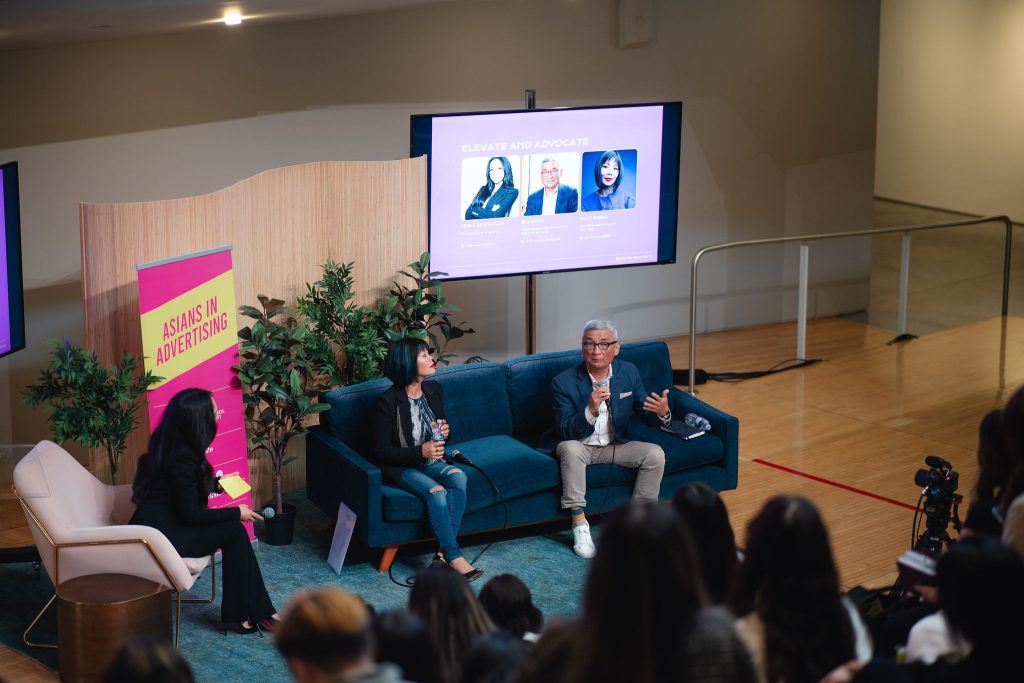
Fresh out of college with a $40,000 student loan debt, Imada recalls the support of a mentor of his who paid off his entire debt so that he could take on a client project without worry of having to decide between a project and taking on important work. It is this generosity that Mr. Imada has paid forward to organizations and causes that advance the representation of AAPI individuals across industries.
See also: Asians in Advertising breaks barriers at first in-person summit
AANHPI communities for intersectional identities
Asians and Pacific Islanders with Disabilities of California (APIDC)
APIDC’s Youth Leadership Institute (YLI) supports disabled undergraduate and graduate students or those pursuing a career in disability advocacy from anywhere in the U.S.
YLI trains young adults to become advocates for APIs with disabilities and features trainers who are skilled professionals in marketing, public speaking, non-profit advocacy, mental health, disability justice/public policy, college disability support services, and law.
People Strategies
People Strategies’ ʻŌiwi Leadership Mentorship Program is a partnership program between The Native Hawaiian Chamber of Commerce and People Strategies Hawaiʻi.
The partnership brings together emerging and seasoned Native Hawaiian leaders, executives, and community figures.
Through mentoring, shared learning, and growth opportunities, People Strategies aims to develop Native Hawaiian leaders and to build a pipeline of local talent for advanced leadership roles across the state.
USTA Mentorship
USTA Mentorship is a global organization connecting Central Asian scholars with international peers around the world for academic exchange and career development; it’s goal is to promote Central Asian voices in academia.
Each year, USTA matches a dozen young scholars from Central Asia who are enrolled in graduate and post-graduate programmes with senior academics around the world. The mentorship programme focuses on training publishing skills, soft academic skills, and intercultural academic exchange.
The Salon
Led by Rishi Rajani and Reena Singh, The Salon Mentorship Program aims to support the next generation of South Asians writers, directors, producers, and executives. This program is for aspiring South Asian creatives or executives with ambitions in the television and film industry.
Gender Sexuality Resource Center
This mentorship and social support network connects LGBTQIA+ individuals to affirming guidance, resources, and community-based care. It has a directory of organizations across the United States that provide services for a diverse range of individuals and lists different communities for which individuals can reach out to directly. Some resources listed include Asian Pride Project, Trans Parent Day, Gender Spectrum Online Groups and more.
Azn Americana
AZN AMERICANA’s mentorship program supports early-career women and femmes in receiving mentorship, guidance, and support from established and later-career-stage Asian women and femmes across a variety of industries.
The industries of focus include verticals such as arts and entertainment, advertising and marketing, entrepreneurship, digital creators, social impact and non-technical roles in the technology industry including operations, partnerships and product management.
Their mentorship program was initiated because “Asian Americans are the least likely to ask for help for aspects relating to mental health of the ethnic groups in US, and we wanted to create a space where they feel empowered to do that.”
Thriving Asians
Thriving Asians’ Youth Mental Health Leadership Programs support Asian-identifying youth leaders through culturally-responsive mentorship, education, and community connection.
The programs equip young people with the skills to serve as peer mental health advocates while exploring key issues such as cultural stigma, community strengths, and holistic wellbeing.
Through guidance from adult mentors and connection to peers and professionals, participants are supported in their leadership growth and in envisioning future pathways in mental health and community care.
The Inclusion Initiative
The platform offers professional development resources such as mentorship, networking, skill-building courses, workshops, and coaching through their community arm, known as “The [Network]” centering the lived experiences and realities of adoptees and Foster Alums in a variety of industries and career levels.
![A collage of many headshot photos arranged in a grid around a black center panel that reads “The Inclu[s]ion Initiative.” The headshots show a diverse group of people of different ages, genders, and backgrounds, photographed in a mix of professional portraits and casual settings, representing a broad, inclusive community.](https://coldteacollective.com/my_content/uploads/2026/02/image-9-1536x864-1-1024x576_1.png)

“I saw a huge gap in visibility and support for adults who were adoptees or fosters,” shares Grace Yung Foster, Founder and CEO of The Inclusion Initiative. Even with my education and resources, I felt that absence, and I knew that others with fewer opportunities felt it even more.”
Why mentorship matters for AANHPI communities.
Mentorship is not a luxury; it’s an equity tool. It fills gaps left by underfunded schools, exclusionary workplaces, cultural stigma, and systemic barriers.
For AANHPI communities, mentorship also becomes a way to pass down knowledge that isn’t taught in classrooms: how to advocate for yourself, how to survive harmful systems, and how to build something better together.
This National Mentoring Month, we honor not just mentors, but the ecosystems they help create. Ones rooted in care, culture, access, and collective power.
Because none of us gets here alone, and we shouldn’t have to.