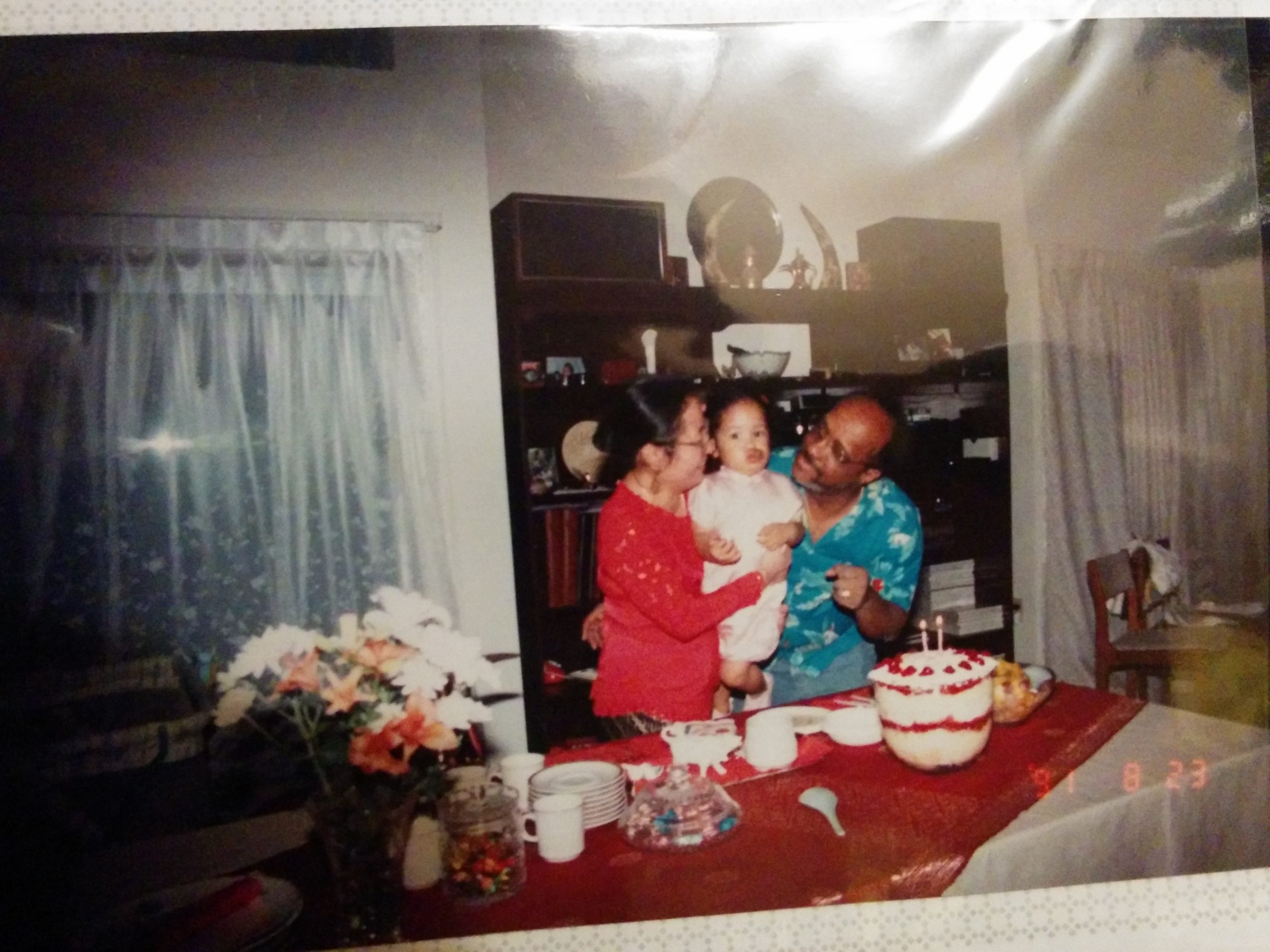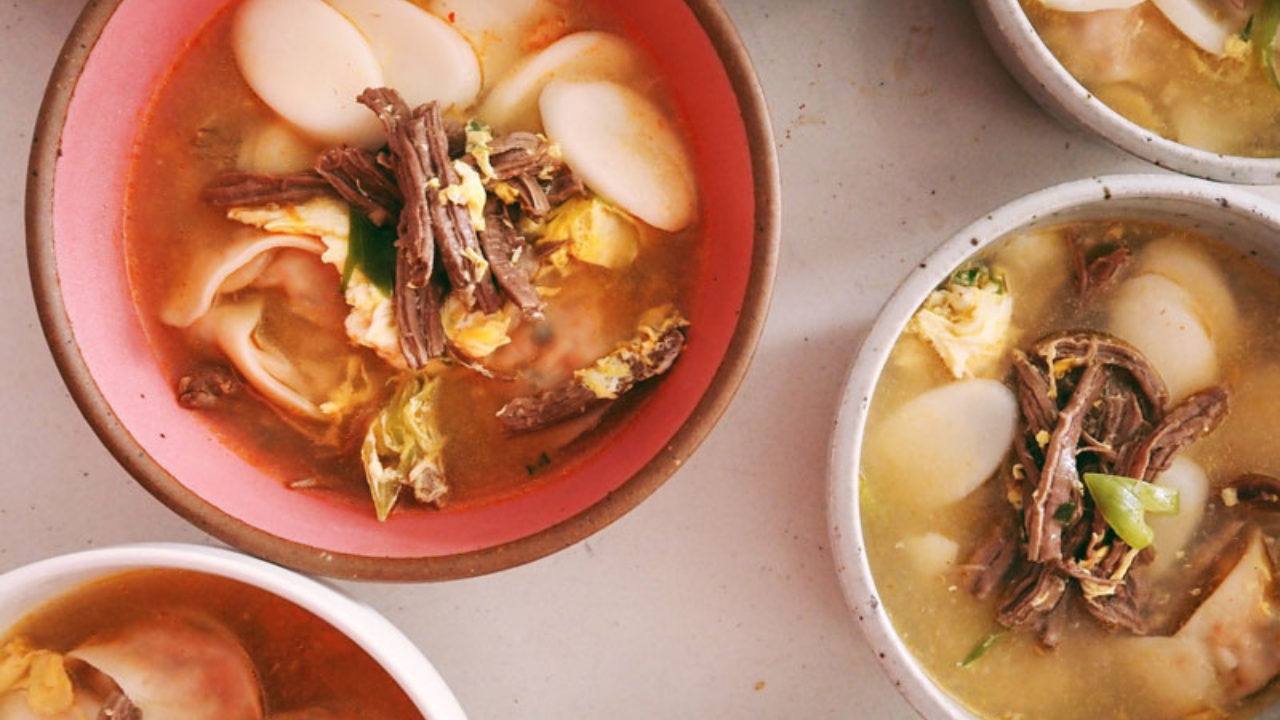
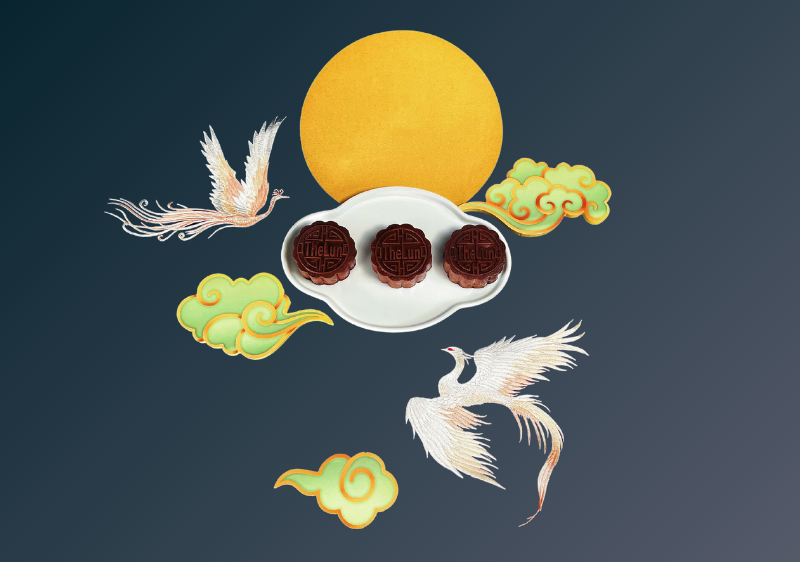
Growing up in the Asian diaspora, my family never really celebrated Western holidays. We would get together to have a meal, but the sentiments of Christmas or Thanksgiving were never meaningful to me. Instead, for my family, my parents made an effort to celebrate a handful of holidays. I grew up associating these holidays as “the mooncake holiday (Mid-Autumn Festival),” “the tangyuan holiday (Winter Solstice),” or “the red pocket holiday (Lunar New Year),” but never questioned what the holiday meant.
More than twenty-some-odd years later, I asked my dad “what is Mid-Autumn Festival?” His response was simply, “It’s our Thanksgiving.” My dad is a bit of a history nerd and continued: “China was an agrarian culture, so according to the lunar calendar, it’s harvest season.” With that said, I began my search to learn more about the Mid-Autumn Festival than just mooncakes.

Celebrating harvest season across Asia
Many people across Asia commonly celebrate harvest festivals in alignment with the lunar calendar and the autumn equinox. According to the nongli (which literally translates to “agricultural calendar”), the lore says that the full moon is the roundest and brightest, offering farmers extended time to harvest crops.
In modern times, celebrations like Mid-Autumn Festival, Mooncake Festival, Chuseok in South Korea, Tsukimi in Japan, and Tết Trung Thu in Vietnam are celebrated on the 15th day of the eighth lunar month which falls between mid-September to early October of the Gregorian calendar.
Beyond agriculture, the full moon has been the subject of ancient folklore, myths, poetry, and worship. Most notably the myth of Chang’e, the goddess of the moon in Chinese mythology. Other symbols of celebration include lanterns, rabbit, dragon, and lion motifs.
Importance of family and food
The importance of family is deeply rooted in many Asian cultures, as Confucianism and collectivism are the foundation of familial relationships. For thousands of years, ancient China recognized the moon’s roundness as a symbol of family unity and harmony.
For those in the diaspora, like my family, getting together with immediate and extended family for Mid-Autumn Festival (or any holiday celebration) can be hectic and overwhelming. Whether dining at a restaurant or cooking at home, you can expect a big spread of auspicious foods and treats at the table.
The star of my family’s Mid-Autumn Festival dinner is the hairy crab, baked tapioca sago pudding. And of course, the mooncake, synonymous with Mid-Autumn Festival.
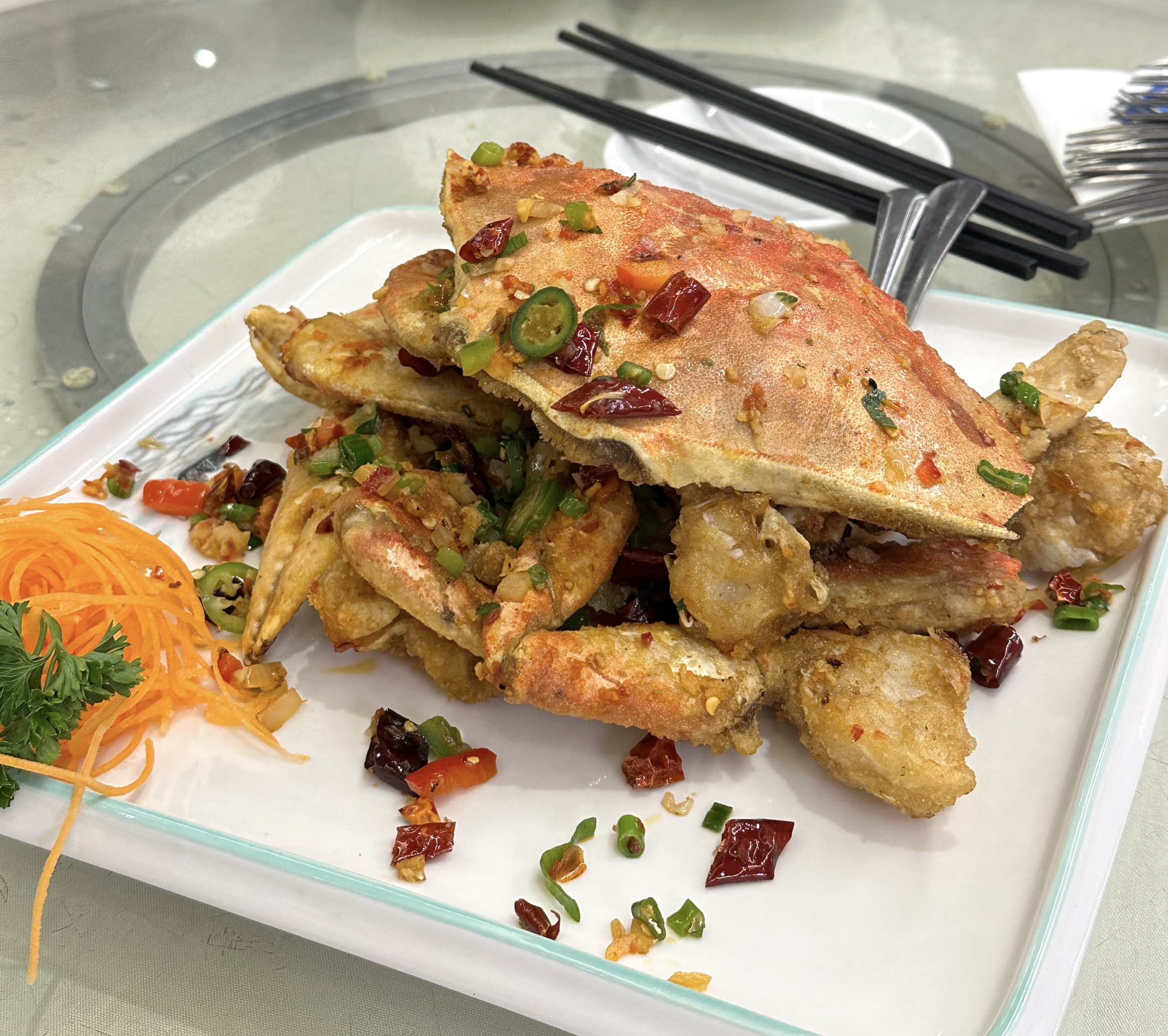
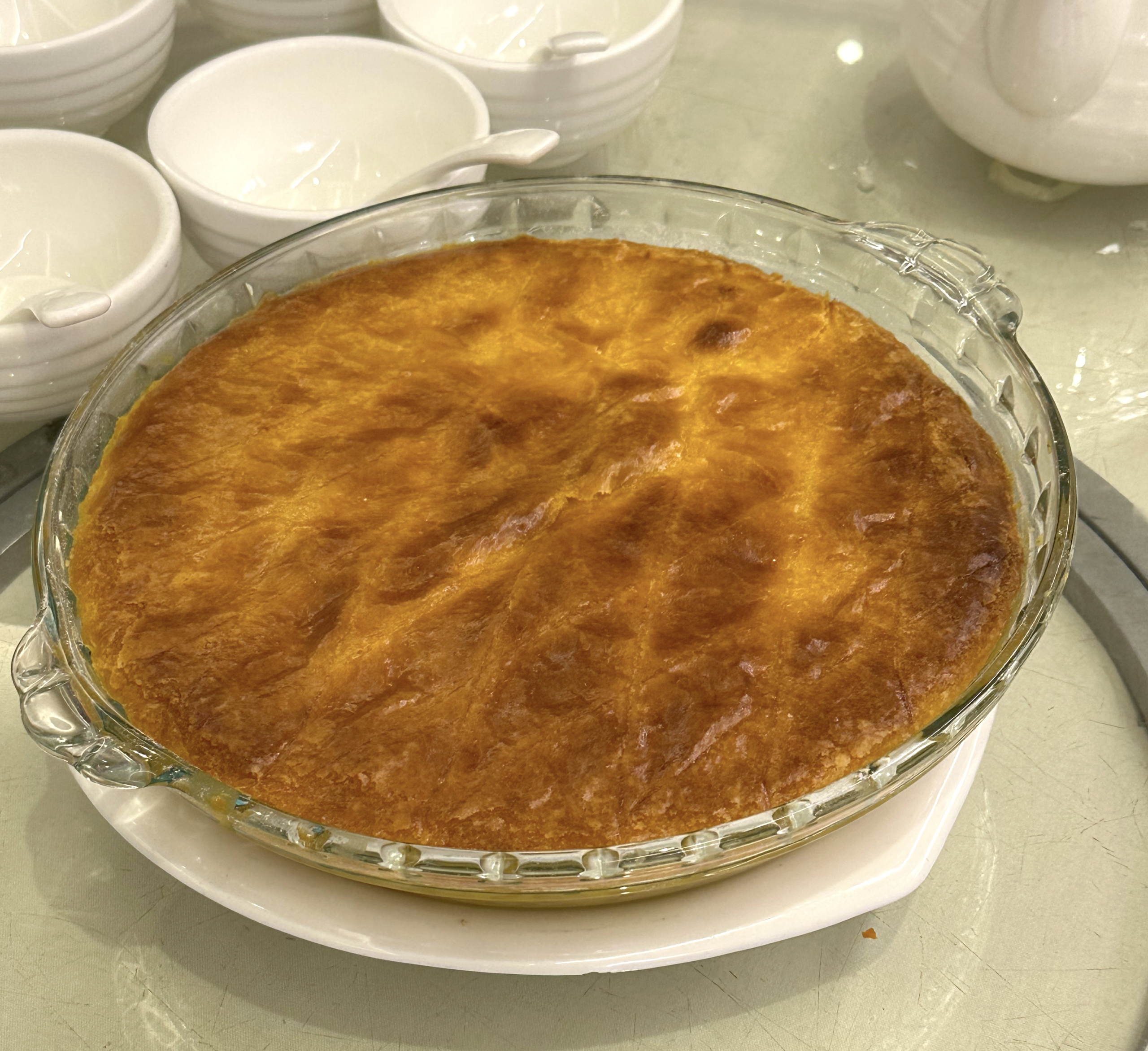
Historians have traced the mooncakes’ origin to the Tang Dynasty. As time passed, the mooncake evolved to feature intricate designs representing the moon and fillings. Common fillings include lotus paste, nuts, and other ingredients customary to different cultures and regions in China and Asia.
Other auspicious foods that people widely eat and gift during Mid-Autumn are:
- Pomelo (柚) represents blessings.
- Lotus root (莲藕) represents togetherness.
- Taro (芋頭) represents good luck.
Since each family, region, and culture celebrates differently, you may see many unique dishes featured and eaten throughout the harvest season.
As we see more Mid-Autumn and Moon Festival celebrations in our local communities around this time of year, it’s important to know that it’s not just a chance to eat and celebrate a new harvest. It’s an opportunity to connect with our families—our culture. Especially in a way that allows us to reflect and hold space for cultural pride.
Centring food as the main activity in celebrations allows younger folks and new generations of the diaspora to learn about heritage and traditions from their parents and family members in a more casual environment.
See also: Over the Moon: Searching for hope through a Chinese folktale