
Get ready with me to dress in Japanese Americana.
When thinking about the Japanese fashion scene there are a few different aesthetics that probably come to mind.
The experimental and eclectic looks dominate much of the street scene, and the tech-wear obsession that has made its way stateside.
Yet, behind these avant-garde expressions, and many other niches within their fashion world, lies a cornerstone: アメトラ (ametora), the embodiment of Japanese Americana.
Ametora
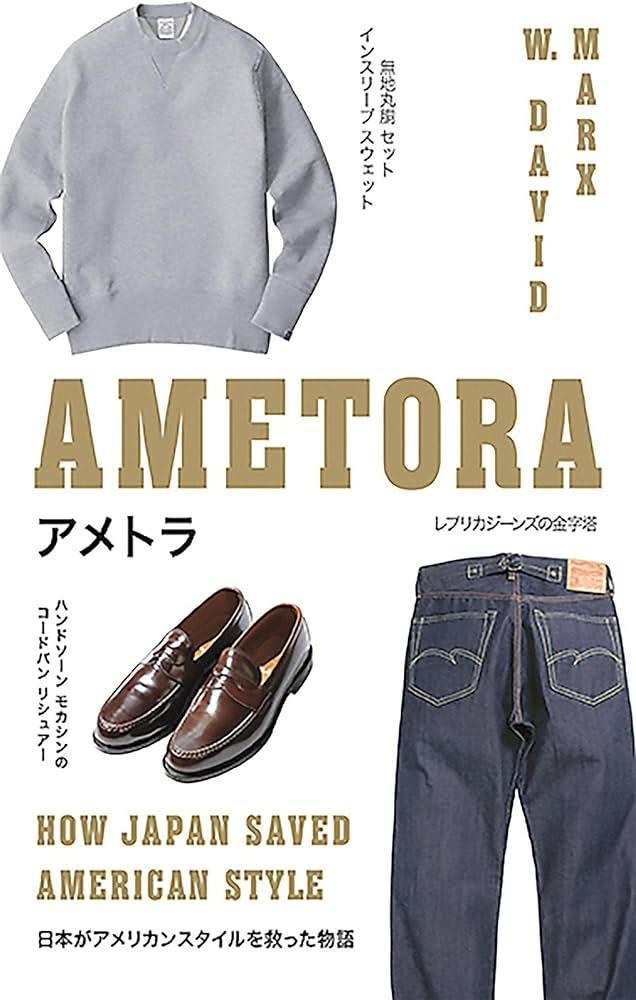
As explained by W. David Marx in his book “Ametora: How Japan Saved American Style”, ametora means “American Traditional” in Japanese fashion. In a true fusion of East and West, Japanese Americana found its origins in post-WWII Japan, where the influx of American military presence shaped the subsequent fashion evolution.
Inspired much by American workwear, Japanese artisans began embracing the core ethos: denim, layering and accessorizing, and utilitarian design, all while adding in their own standard of craftsmanship.
The direct result was a cultural exchange — one that felt distinctly authentic to both cultures and underscored how lasting a blend like this could be in shaping contemporary fashion landscapes.
In order to properly grasp and celebrate the full breadth of Japanese Americana today, it’s important to further unravel its core components and explore how the fusion of cultures has achieved such a timeless allure.
So let’s dive into what makes the quintessential ametora outfit, and maybe even pick up a couple new sartorial pieces along the way.
Denim of Japanese Americana
There is nothing more synonymous with Japanese Americana than denim, and for good reason.
Denim serves as the foundational piece to any ametora fit, not only because of its traditional durability but also because of its ability to evolve over time.
Akin to an aged watch, premium Japanese denims tend to develop a unique patina, serving as this physical representation of the wearer’s fashion journey.
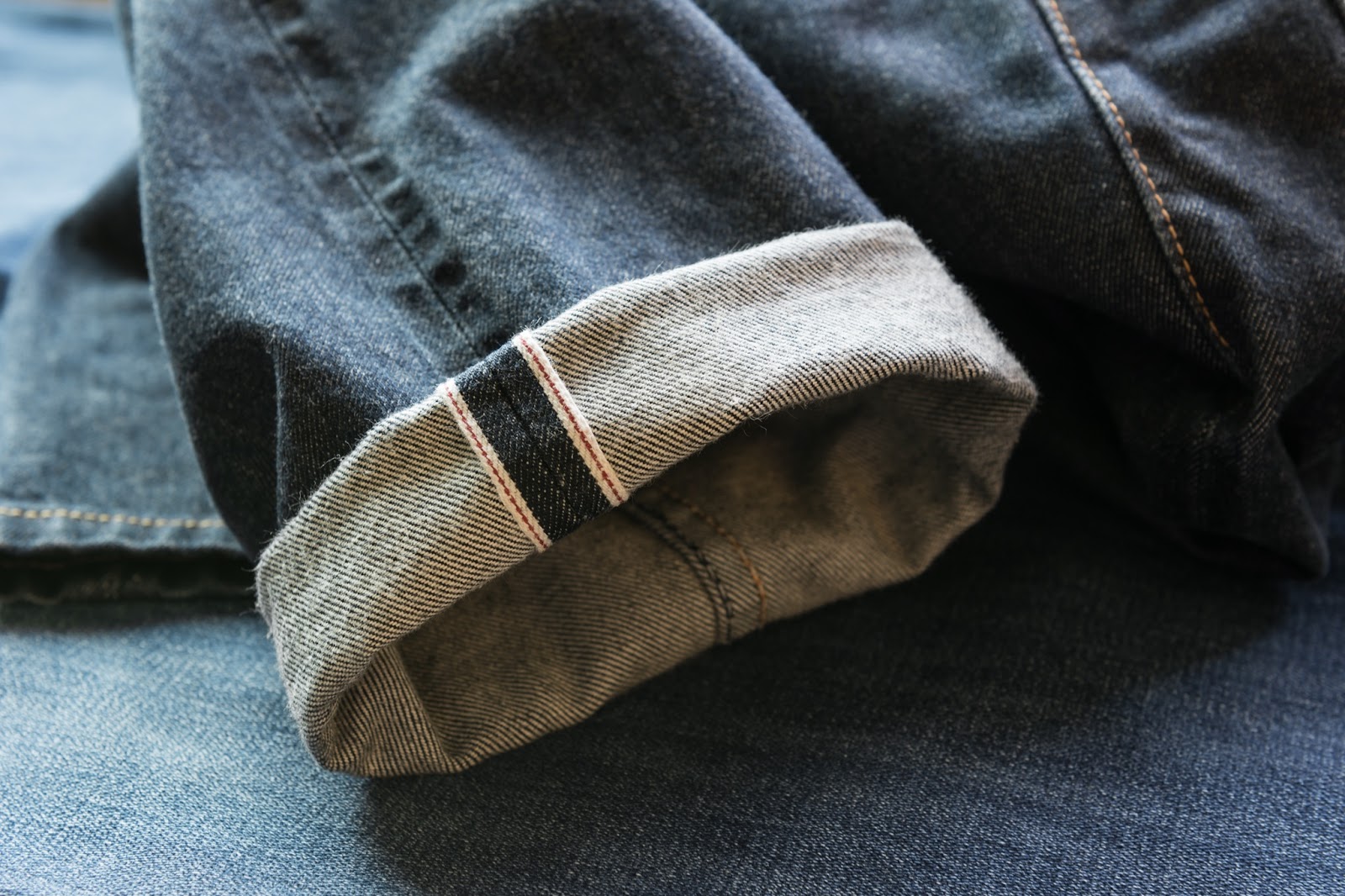
Raw denim and selvedge denim are the staples of Japanese denim.
Raw denim refers to a denim that is unwashed and untreated, leading to a fabric that better molds to the wearer’s body over time and results in a personalized fit with distinctive fades. Selvedge denim is made from a denser weave on a shuttle loom, meaning it’s supposed to be stronger and thus less likely to unravel.
Fit and quality of the denim can make or break the Japanese Americana outfit. So, go find a pair of raw and selvedge jeans that are slim, but not overly tight on the silhouette. A classic ametora denim usually hits just above the ankle, allowing for a wide array of footwear choices from rugged leather boots to more modern sneakers.
And don’t forget to cuff the bottoms — it’s a must with any selvedge jean.
Layering and accessorizing of Japanese Americana

It would be remiss of me if I didn’t touch on the importance of accessories and layering when it comes to Japanese Americana.
It is here that the blurred lines between Eastern and Western aesthetics become most evident.
To pull off that quintessential look, mastering the art of layering is key; it’s all about creating visual intrigue by blending textures and garments.
Picture a スカジャン (“sukyjan“) which translates to “souvenir jacket”, born from American varsity jackets in post-WWII Japan, paired with a bold graphic tee.
Or perhaps opt for a nod to tradition with a のらぎ (“noragi “), a traditional Japanese agricultural workwear silhouette, layered over a flannel.
These thoughtful pairings not only showcase creative flairs, but also maintain the carefree yet curated aesthetic that’s expected of Japanese Americana.
Complementing these outerwear pieces, it’s not uncommon to find Americana accessories that infuse a touch of rugged charm.
Whether it’s leather boots, bandanas, or even vintage hats, these motifs often echo the spirit of American workwear and cement why the look has remained so popular through all the decades.
In understanding the significance of layering and accessories in Japanese Americana, it allows for a deeper dive into a core principle that underpins the essence of ametora: utilitarianism.
See also: Vintage shopping culture between North America and Asia
Utilitarianism of Japanese Americana
Central to Japanese Americana is a deep-rooted appreciation for utilitarianism.
Just as the sturdy construction of leather boots and the versatility of noragi jackets reflect practicality in design, the entire aesthetic is contingent upon functionality without sacrificing style.
In building the quintessential outfit, the “why” as to which Japanese Americana pieces have experienced the most longevity must be understood. Each garment, from the aforementioned Japanese denims, to something as simple as a canvas tote serves a purpose.
Japanese culture values efficiency, a sentiment reflected well in its fashion ethos. Amidst evolving Western influences, Japanese Americana has preserved this celebration of craftsmanship while embracing an effortless aesthetic.
In turn, this emphasis on quality and effortlessness has ensured the style’s enduring appeal, as it is not reliant upon contemporary gaudiness we see in other avenues for personal creative expression.
So when building the perfect Americana fit, splurging on high-end brands like KAPITAL or visvim may be enticing, but not necessary.
Instead, consider investing in garments that serve you, because at its core Americana is just a cultural exchange, where self-serving utilitarianism encapsulates the perfect merger of Japanese and American cultures.