Interior Chinatown brilliantly subverts stereotypes and portrayals of the “Generic Asian Man” and more
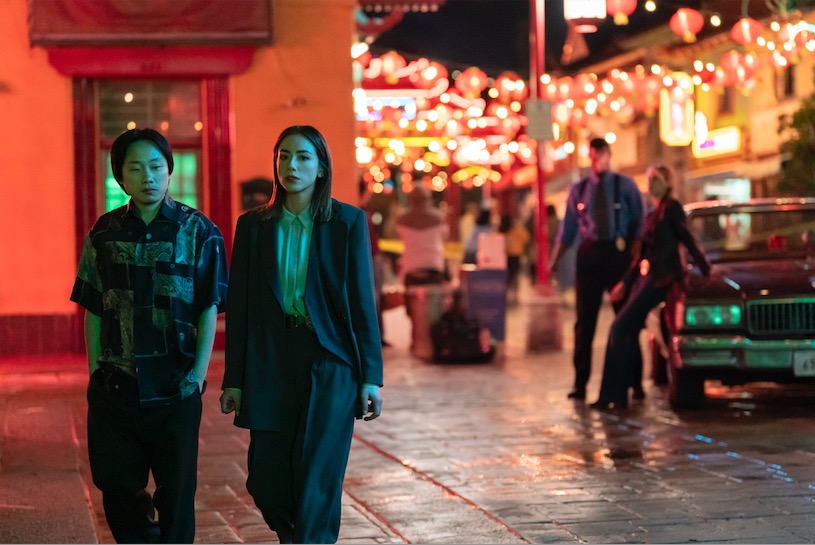
“Generic Asian Man” is the title of the premiere episode of Interior Chinatown, adapted from Charles Yu’s award-winning novel of the same name.
In this episode, Willis Wu (Jimmy O’Yang) faces a choice: play detective to the mysterious case of his brother’s disappearance or fade into the background and embrace his role as the “Generic Asian Man.” This moment sets the tone for the series, as Wu steps out of the margins to take on a central role in a story that was never meant to be about him—a regular guy from Chinatown.
Interior Chinatown translates its screenplay-like structure to TV, maintaining the book’s satirical edge while creating a dynamic narrative that explores identity, typecasting, and representation in media.
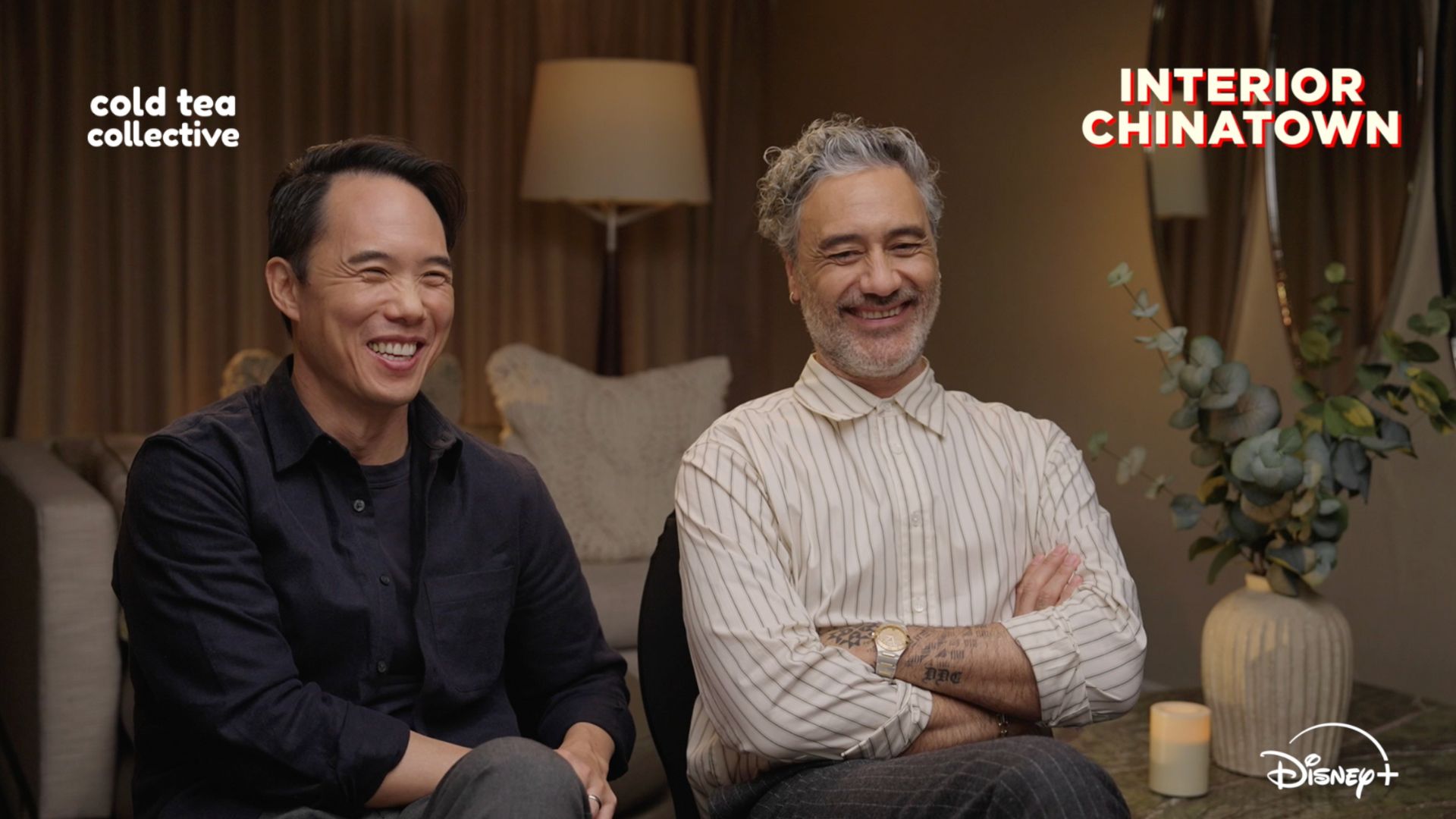
Cold Tea Collective talked to the producers and cast behind Interior Chinatown to get their insights on the show. Keep reading to hear snippets of our conversation with Tzi Ma (Joe Wu), Archie Kao (Uncle Wong), Ronny Chieng (Fatty Choi), Chloe Bennet (Detective Lana Lee), Taika Waititi (director and executive producer), and Charles Yu (show creator, showrunner, executive producer and author of Interior Chinatown).
Interior Chinatown pushes back on societal expectations
For decades, Asian characters in media have been relegated to damaging stereotypes: sidekicks, martial artists, background figures with little agency of their own, among other harmful tropes. Interior Chinatown subverts these by allowing its characters to challenge the roles imposed on them and claim their stories for themselves.
A central plotline in the series is the mysterious disappearance of Willis’ brother—a martial arts master and the “star child” of the Wu family—whose presumed death has loomed over their lives for years. As Willis begins to investigate what really happened, the precarious dynamics of the Wu family are brought into focus, forcing each member to confront their own roles and regrets.
Tzi Ma, who plays Willis’ father “Joe Wu”, reflected on his character’s journey of self-reckoning. “He starts to wonder what his role is as a father—whether he taught his son well enough, or if he pushed him too hard,” said Ma. “[These questions] take him through his own journey, with his son Willis and his wife.”
This theme of self-discovery extends beyond Willis and his family. Chloe Bennet shared how it resonates with her character, Detective Lana Lee.
“In the beginning of the series, Lana thinks she knows what she wants out of life, but that entire existence and identity unravels,” Bennet explained. “She realizes that she doesn’t want to keep being a projection of what society expects her to be.”
Being the main character in your own story
The concept of being a “main character” isn’t just about stepping into the spotlight—it’s also about breaking free from the roles that society assigns you.
As Interior Chinatown’s characters embark on their own journeys of self-discovery, they begin to assert their own agency and shape their own lives.
This theme resonated deeply with cast members Chloe Bennet and Ronny Chieng, who found parallels between their characters’ arcs and their own experiences.
“If the goal is to be a main character in your own life—whatever that means for yourself—then it’s about being brave in those little moments and leaning into your authenticity,” said Bennet.
For Chieng, who portrays Willis’ best friend “Fatty”, stepping into his own narrative was tied to his choice of profession. “If you choose creative performance as a career, you’re already going against what’s seen as practical,” Chieng explained. “It’s a decision to center your own ambitions and passions in a world that often discourages that.”
This pursuit of authenticity and self-ownership is central to the show’s message: to truly be the main character in your story, you must first decide what that story is—and then have the courage to live it.
Taika Waititi and Charles Yu want to move beyond representation to drive true inclusion
Interior Chinatown arrives at a moment when Asian stories are finally gaining long-overdue recognition in media. For executive producer and director Taika Waititi, the key to sustaining this momentum lies in ensuring the stories remain in the hands of those they represent.
“Whoever the thing is about, it needs to be told, in my opinion, mainly by those people,” said Waititi. “I’m a tool as a director—I might come in to help and let you use my knowledge for whatever. But it’s Charles’ show:He’s running the show, and it very much has to be led by the people that it’s about.”
For Yu, authentic storytelling isn’t just about representation—it’s also about fostering an inclusive environment that brings together diverse perspectives.
“Though the cast and crew were largely Asian American, we also had lots of people who weren’t,” Yu explained. “We wanted the experience to be truly inclusive and make sure we were all learning from each other.”
Yu also emphasized that the shows making the biggest impact go beyond mere representation. “The stories that succeed are rich, human, and dimensional,” he said. “They’re about flawed characters, and they move beyond just representation into something deeper.”
Waititi addressed this in a now viral speech he gave last year, criticizing Hollywood producers that force diversity just to fit a quota. “We’re mistaking [diversity] with having to include a person from every single race, background, and part of the human experience in everything we make,” he said. “That’s not reality, and it’s not authentic.” By centering authentic voices and telling complex, human stories, Interior Chinatown exemplifies what it takes to keep pushing the needle forward in an industry still learning to embrace true inclusivity.
Stay tuned to our Instagram and YouTube channels for more exclusive interview clips. Stream all 10 episodes of Interior Chinatown starting November 19th on Hulu and Disney+ Canada.
Interview by Jane Lee, produced by Natasha Jung. Article by Janrey Serapio, edited by Natasha Jung. Special thanks to Tremendous Communications, Hulu Publicity, and Disney+ Canada Publicity.