Did you know that a majority of the world’s Muslims live in Asia? Over 60% of all Muslims live in countries across Asia, stemming from western Asia — which includes modern day Saudi Arabia, the birthplace of Islam — to the easternmost parts of the continent. Right now, Muslims worldwide are in the midst of celebrating one of Islam’s most important holidays: Ramadan.
Ramadan is the ninth month of the Islamic calendar, and this year will run from approximately February 28 to March 29 (the dates change every year as date pegs on the Islamic lunar calendar are determined by specific moon sightings). Ramadan is a sacred time for Muslims, and it is believed that the Quran was first revealed to the Prophet Muhammad during the month.
Honoring Ramadan is one of the key pillars of Islam, and Muslims observe the holy month by fasting from sunrise to sunset, praying, giving alms, gathering with community, and embracing spiritual discipline and more mindful connections to faith.
At the end of the month, Muslims commemorate Ramadan by celebrating Eid al-Fitr, which translates to “festival of the breaking of the fast.” In addition to these tenets and practices that link the Muslim community together, Asian Muslims across countries honor Ramadan and Eid al-Fitr through various cultural traditions.
Let’s take a look at how Muslims in five Asian countries celebrate Ramadan and Eid al-Fitr in unique ways.
Indonesia
Indonesians ring in Ramadan with a parade known as Tarhib Ramadan, in which people walk the streets with bamboo torches, sing, and beat the rebana, a tambourine-drum common in Southeast Asian Muslim rituals. Lion dancers, which are also popular during Lunar New Year, make an appearance at the parade as well. Many Indonesian Muslims will also take a dip into natural rivers and springs to bathe, as an act of cleansing one’s spirit, known as padusan. Cleaning and placing flowers over the graves of deceased loved ones is another common Ramadan practice in the country.
India
In parts of India, Muslims wake up for suhoor, the pre-dawn meal eaten before they start their fast, to the calls of seheriwalas. Evoking a centuries-old tradition, seheriwalas walk the streets and act as human alarm clocks to ensure people don’t miss their pre-fast meal. Mosques see higher attendance during Ramadan, including at one of India’s famous mosques, Jama Masjid, which holds large iftars — the meal eaten at sunset to break one’s fast. Ramadan bazaars also come to life in the evening, where vendors sell kebabs, spiced biryanis made with rice and meat, and more.
The Maldives
Maldivians bring in Ramadan with a tradition unique to their country known as maahefun. Maahefun is a celebration that happens the day before Ramadan starts, in which people gather for a parade and a feast. Popular Ramadan fare includes mas roshi, a dish featuring typical Maldivian ingredients like tuna, shredded coconut, and chilies. After iftar, many activities continue into the night, including readings of raivaru, a rhythmic form of Maldivian religious poetry.
Pakistan
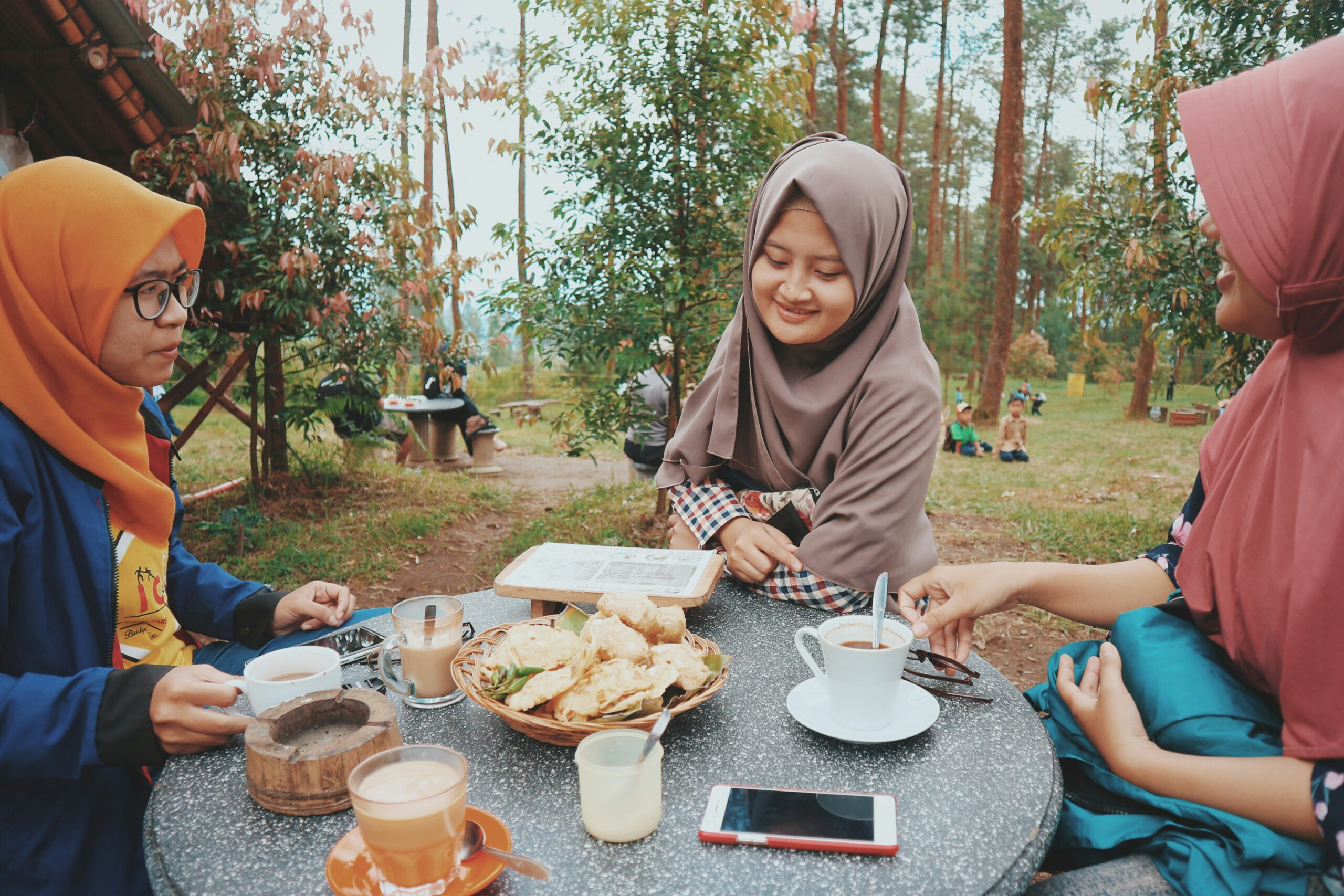
In Pakistan, stores and seasonal street vendors meet the rising demand for iftari foods and special Ramadan goods, like spicy vegetable pakoras. Deep fried and often eaten with chutney or yogurt sauce, pakoras are a filling, affordable way to break one’s fast. During Chaand Raat, an event mostly celebrated in Pakistan and South Asia to mark the final day of Ramadan and the eve of Eid al-Fitr, vendors set up hundreds of stalls for people to get mehendi, or henna, on their hands and nails, while storefronts highlight special deals on bangles, sweets, and gifts for Eid.
China
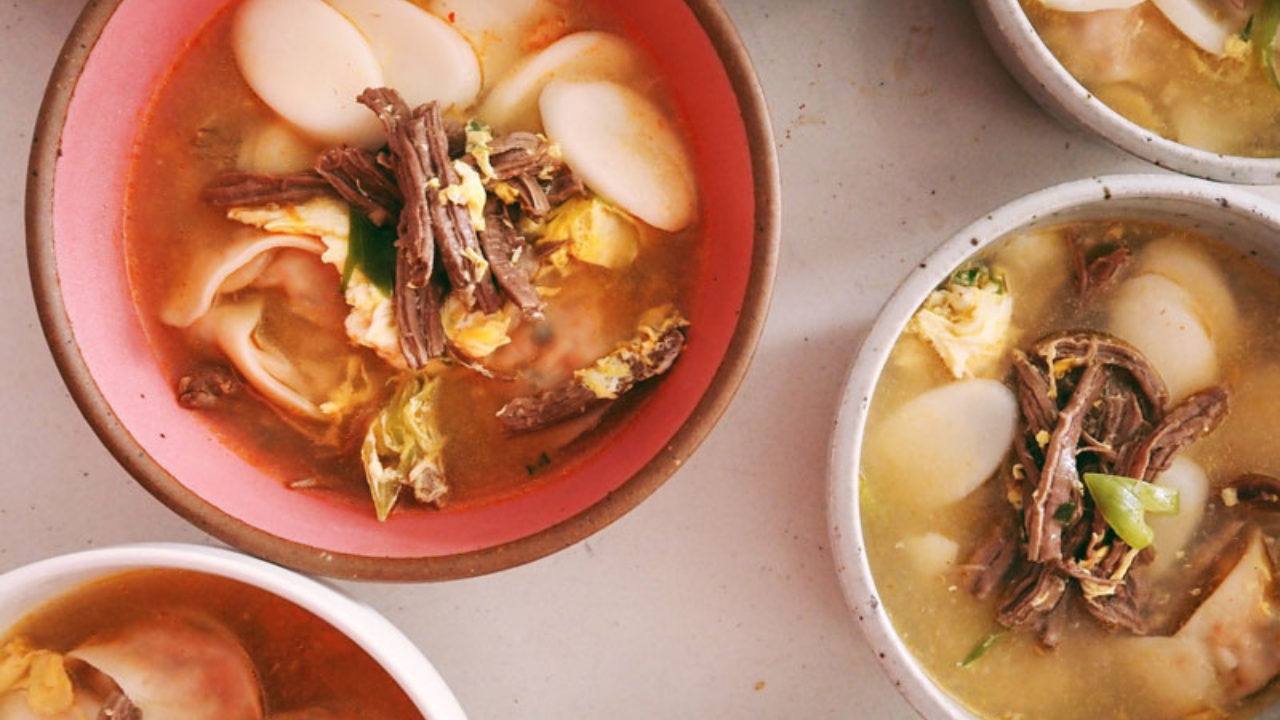
A majority of Chinese Muslims come from ten ethnic groups, with the largest groups being the Hui people and the Uyghur people. During Ramadan, many Chinese Muslims break their fast with tea and sliced watermelon. Other staple Ramadan foods include soups like chuchure, made with dumplings and lamb broth, and several types of fried bread and noodles. During Eid al-Fitr, mosques are often decorated with lights, flags, and chandeliers, while children’s groups put on performances of wushu, a martial arts style popular in Chinese Muslim communities.
This list is just a snapshot of the many ways Muslims in Asia celebrate Ramadan and Eid, illuminating how ethnically and culturally different Asian Muslim traditions can be. By learning about and acknowledging the diversity of these experiences, we can paint a more vivid, nuanced, and inclusive picture of what it means to be Asian and Muslim.
See also: The Emergence of Muslim American Gospel