“Heated Rivalry” showcases a different perspective of Asian representation on-screen
*Warning: Spoilers ahead*
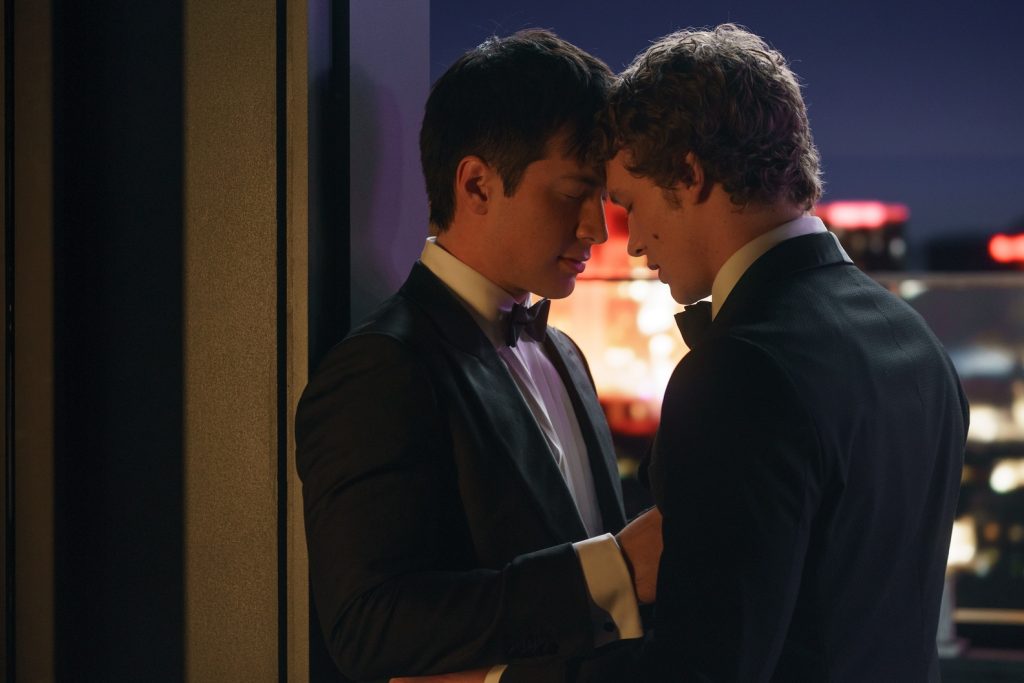
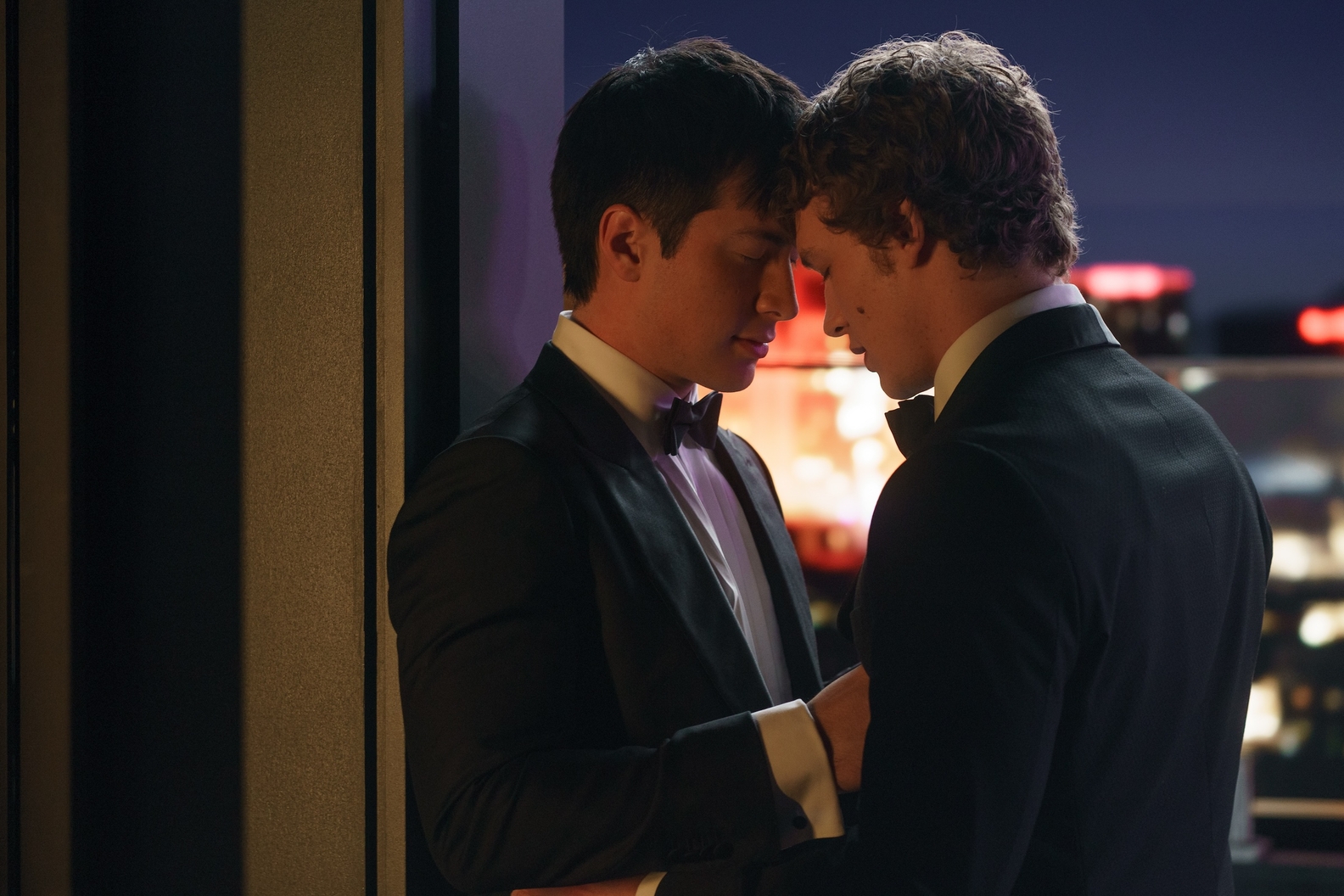
Created by Jacob Tierney and based on the Game Changers book series by Rachel Reid, Heated Rivalry is a six-episode sports romance following the fictional lives of star players Shane Hollander (Hudson Williams), Ilya Rozanov (Connor Storrie), and Scott Hunter (François Arnaud) as they grapple with being closeted professional hockey players.
When we take a step back from all the intense hockey matches and steamy sex scenes, Heated Rivalry is fundamentally a show about finding acceptance and belonging as a queer person. For Shane, that journey is largely internal and shaped by his background, especially his Asian heritage.
Heated Rivalry builds narrative through cultural nuances
To say Shane is a complex character is a bit of an understatement: He’s a neurodivergent Japanese Canadian star athlete who’s secretly gay and in love with his biggest rival in a notoriously homophobic sport. Talk about a doozy.
But it’s the layers of complexity that imbues Shane’s character with nuance and makes his struggle with self-acceptance feel believable.
With less than five hours of runtime, Heated Rivalry is a very tightly cut show, and abides by the principle of “show, don’t tell.” Cumulatively, there are only a few dozen lines of dialogue throughout the show directly addressing Shane’s cultural background—enough to paint a picture of Shane’s psyche and add crucial context to his actions, without belaboring the topic.
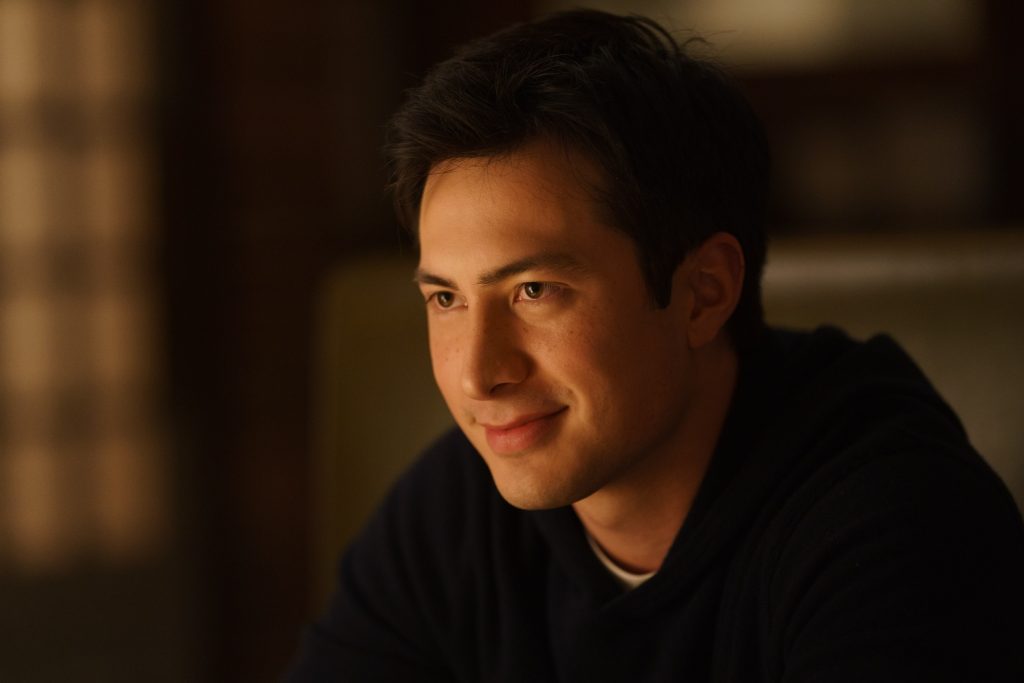
Tierney deliberately chose to emphasize Shane’s half-Asian background, which was a much-needed departure from the original book series. Many readers have criticized Reid for shoehorning in Shane’s Japanese background to the point that he could have just as easily been read as fully white.
Instead, the show takes a more authentic approach.
“A lot about Shane’s personality is that he is this kind of outsider,” Tierney said at the Toronto premiere. “There are not that many Asian players in hockey, so it just makes the whole thing more interesting. It would be monstrous just to make him white.”
Asian representation in North American professional sports
Most major North American sports leagues lack Asian representation, and Asian athletes who become elites are often resented for taking up that space.
Basketball star Jeremy Lin faced countless slurs and hate comments during his time in the NBA and beyond, even from media outlets. “Asians have always been projected as being others or outsiders,” he told CNN.
When she’d win competitions, Olympic gold-medalist snowboarder Chloe Kim would be inundated with hate messages and told to “stop taking medals away from the white American girls on the team.”
Naomi Osaka also faced discrimination as a Japanese-Haitian tennis player and the impact of that on her mental health.
Chinese Canadian Larry Kwong became the first person of Asian descent to play in the NHL in 1948. Nearly 80 years since, only 40 players of Asian heritage have followed suit. To put that into better perspective, there are typically more than 700 active NHL players in a single year.
Matt Dumba, a Filipino Canadian NHL defenseman and member of the Hockey Diversity Alliance, has frequently spoken out about racism within hockey culture: “I think the [incidents] that stick with me are a little boy or girl who comes through the locker room after a game. I kind of know their story already, how they’ve been subject to racism while playing hockey,” he told NBC. “They don’t think hockey is the game for them anymore. That’s what really hurts me, a game that I love so much has something wrong at its core.”
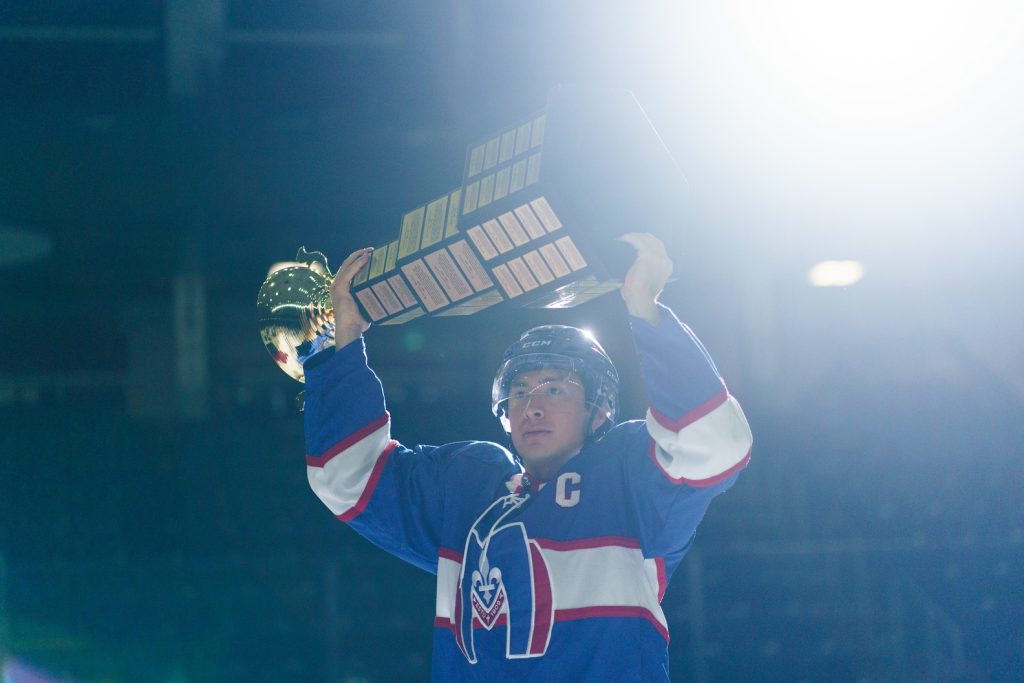
Heated Rivalry addresses the lack of racial diversity in professional hockey in North America
Within the first five minutes of episode one, we already begin to see examples of how Shane is treated differently as a half-Asian athlete. He’s drafted to the Montreal Voyageurs, second overall in the NHL draft, and immediately tokenized by an executive from the team. “We’re thrilled that Shane is Asian, or Asian Canadian,” he tells Shane and his parents, excited for the opportunity to flaunt diversity.
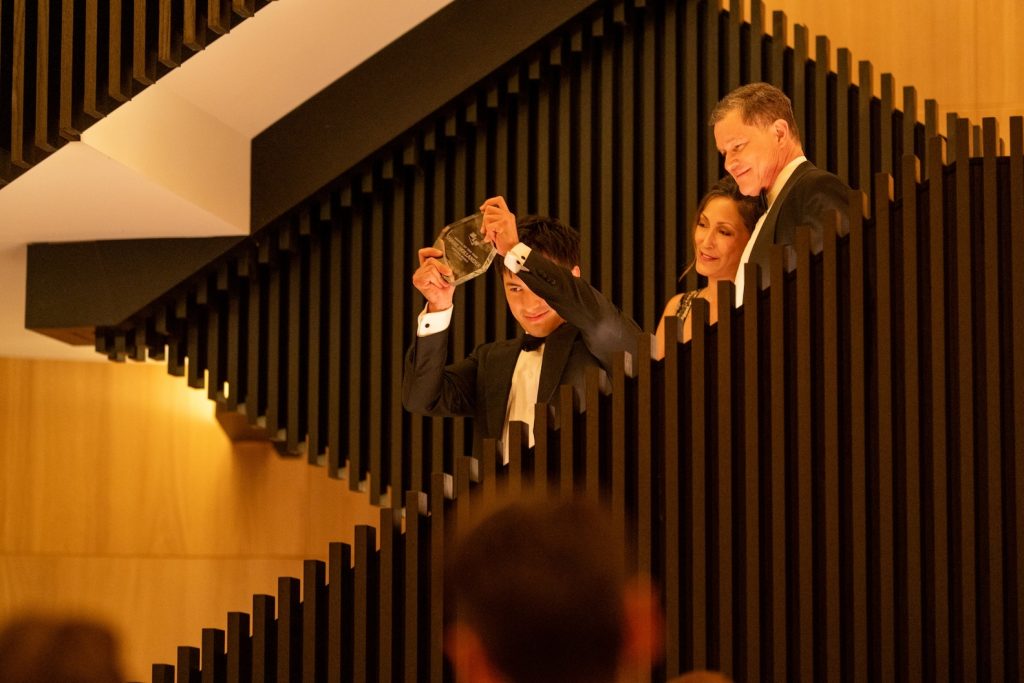
Later in the season, Shane is asked if it was challenging to be an Asian kid playing hockey, and it turns into a brief exploration of intersectionality between mixed-race and monoracial Asian identities: “I wasn’t the only [Asian kid]; there was one other,” Shane recalls. “He hated me, though. I have a Western last name, so it’s like the other kids kind of forgot to make fun of me.”
Shane also deals with the usual microaggressions from sports media, with commentators calling him a “smart” player and comparing him to Tiger Woods and Serena Williams, despite Shane’s obvious discomfort at being treated like a trailblazer for diversity.
It’s moments like these in the show that reflect the positioning of diversity in professional sports.
See also: Naomi Osaka’s precedent for mental health in sports for Asian diaspora
The model minority burden fuels anxiety and perfectionism
Throughout the show, Shane is immensely burdened by the need to be a role model athlete, not only in hockey, but also globally on the sports stage. His mother, Yuna, is the personification of a lot of those pressures. As a Japanese Canadian daughter of immigrants, she developed an interest in hockey as a way to assimilate into Canadian culture in her childhood. Now, she plays the role of a typical hockey “momager” and Asian “tiger mom” to Shane.
“A whole lot of kids are going to be looking up to you, kids that don’t see themselves here a lot,” Yuna reminds Shane in episode one. Shane replies like a teen who’s grown up hearing the same speech a million times.
“At best, the knowledge that stereotypes about athletes are out there may cause athletes to work harder to prove that they belong,” explains Dr. Alyssa Hellrung, a lecturer at the University of Washington focusing on gender in sports. “At worst, an athlete who maybe doesn’t fit the stereotypical mold of others who play in their sport or league may suffer from impostor syndrome.”
Shane is hyperaware of the stereotypes and expectations continuously surrounding him. Add in Shane’s social anxiety and autism, and you get an athlete who is obsessed with how he’s perceived. Shane operates as though perfection is not only an aspiration but a duty to fulfill for his parents and fans.
And then he falls in love with a man.
See also: Heated Rivalry’s Shane is autistic. If you didn’t notice, that’s the point (CBC)
How Heated Rivalry portrays homophobia and the model minority myth
Like Asian people, queer people lack representation in sports, most especially in men’s hockey. Among the “Big 4” North American men’s sports leagues (NFL, NBA, NHL, and MLB), the NHL is the only organization with zero openly gay players, current or former. In contrast, the NFL, for example, has had 16 openly gay or bi athletes in its history.
Naturally, in the context of Heated Rivalry, Shane wouldn’t want his sexuality to be a disruption to the hockey ecosystem built around him. Not when he already is a disruptor by being half-Asian in a white-dominated space.
“This is the looming anxiety that carries Shane through all those seasons, all those years,” Williams said in an interview with Glamour. “‘What would my mom think? What would my dad think? Holy f—, I am breaking their idea of this perfect little image of a hockey player I have built over these years and sort of fabricated, to a degree.’”
By the end of episode two, Shane recognized his feelings for Ilya go beyond momentary attraction and lapses in judgment. But trying to reconcile those feelings with the model minority persona he has so meticulously crafted becomes a harsh battle through repression and internalized homophobia.
Shane reverts to rigid diets and training schedules, like a coping mechanism to gain back his waning self-control. He publicly dates Rose Landry, a famous actress, and powers through unsatisfying sexual encounters with her. He entangles himself in a web of lies until Rose gently confronts him about his sexuality and insists that it’s not a “problem.” With this conversation with Rose, Shane starts to open up to the truth. It’s not until Scott Hunter, a fellow NHL captain, very loudly comes out that Shane starts to consider a long-term relationship with Ilya.
See also: The Wedding Banquet shines bright as a beacon of light for queer Asian love
The impact of Heated Rivalry and coming-out on screen
During the penultimate scene of the show, Shane finally, truly learns to accept himself. Tears streaming down his face, he tells Yuna that he “tried his best to not be gay,” and that he’s “sorry he couldn’t help it.” Yuna immediately shuts down his apology, apologizing in turn for making Shane feel like he couldn’t come out to her. She tells Shane she’s proud of him, and Shane forgives her—a soft acknowledgement that harm was caused, unintentional though it may have been.
“There were some stereotypes that are true, in my experience, and a lot of Asian kids’ reality. Perfection, discipline, a lack of straying left and right meant a lot of old, outdated conventions and old biases. Being gay is one of them,” Williams told Glamour. “With [Tierney’s] additions of talking about Asian culture and the good and the bad with it, I think he immediately understood that this scene is necessary. It is the closing chapter.”
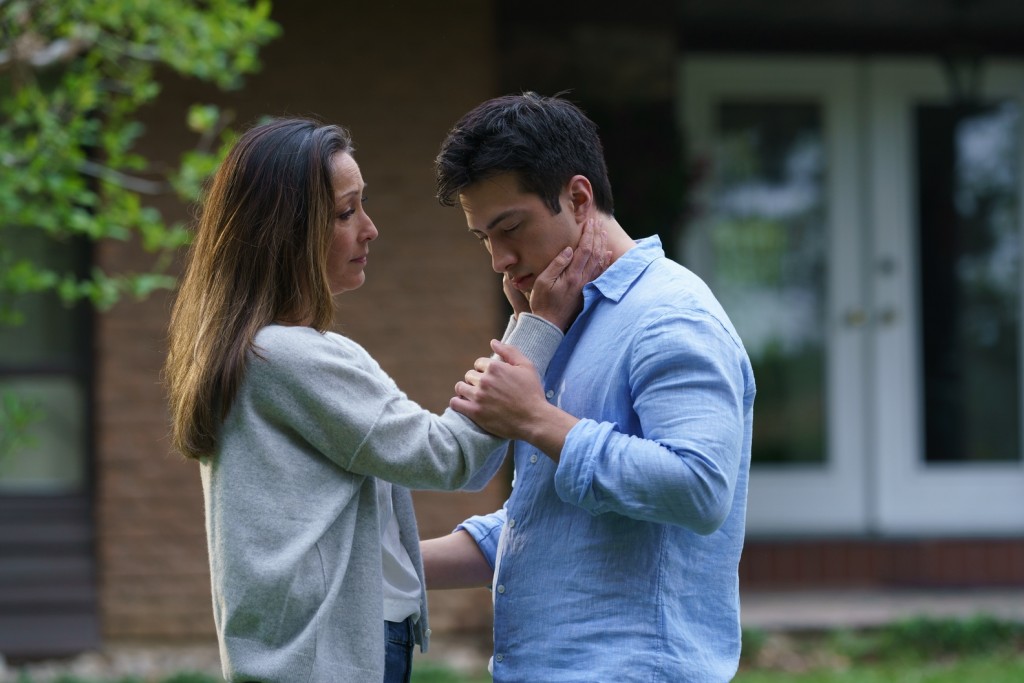
It’s a heartbreakingly tender moment, and for a lot of queer Asians watching, one that hit home.
Shane’s internal struggle with sexuality is not particularly unique for someone within the LGBTQ Asian diaspora. We grow up with expectations weighing on our shoulders and pressure to prove ourselves in a world that still likes to view us as outsiders. Love can start to feel conditional, and being completely ourselves can feel scarier than conforming to the molds laid out for us, so much so that we begin to hide from our own truth.
Trevor Project reports that more than half of queer AAPI young people suffer from symptoms of anxiety and depression, and have experienced attempts to convince them to change their sexuality or gender identity.
The final scene between Yuna and Shane provides a cathartic sense of relief and closure that a lot of queer Asians have yet to experience or, unfortunately, never had the chance to.
See also: Cold Tea Reads: 10 Queer Pan-Asian books to read this Pride Month
Heated Rivalry matters on the global stage
Countless viewers online have talked about seeing themselves represented in Shane, from his Asian Canadian heritage to his neurodivergent idiosyncrasies to his internalized homophobia. Even ongoing conversations about whether Shane was portrayed as “Asian enough” seem ironically demonstrative of the real-life discourse mixed-race Asians deal with.
Heated Rivalry is a production funded with the support of the Canada Media Fund, meaning that Canadian taxpayer dollars contributed to this sharing of culture and creation of fandom. The response Heated Rivalry has received proves how important it is to keep writing and funding stories about diverse, multifaceted characters, instead of pigeonholing them into the same recycled tropes. Diverse stories lead to more tolerant, equitable societies.
Through Shane’s character alone, the show teaches audiences about intersectional Asian experiences, the dangers of the model minority myth, and more. Beyond that, the show fosters empathy for closeted queer folks, especially athletes, and puts a harsh spotlight on the lack of diversity within the NHL.
The eyes of the world are now trained on the real-life issues of representation showcased in Heated Rivalry. Whether the success of the show inspires lasting change remains to be seen.
See also: Fire Island: Finding the intersections between queer and Asian American culture