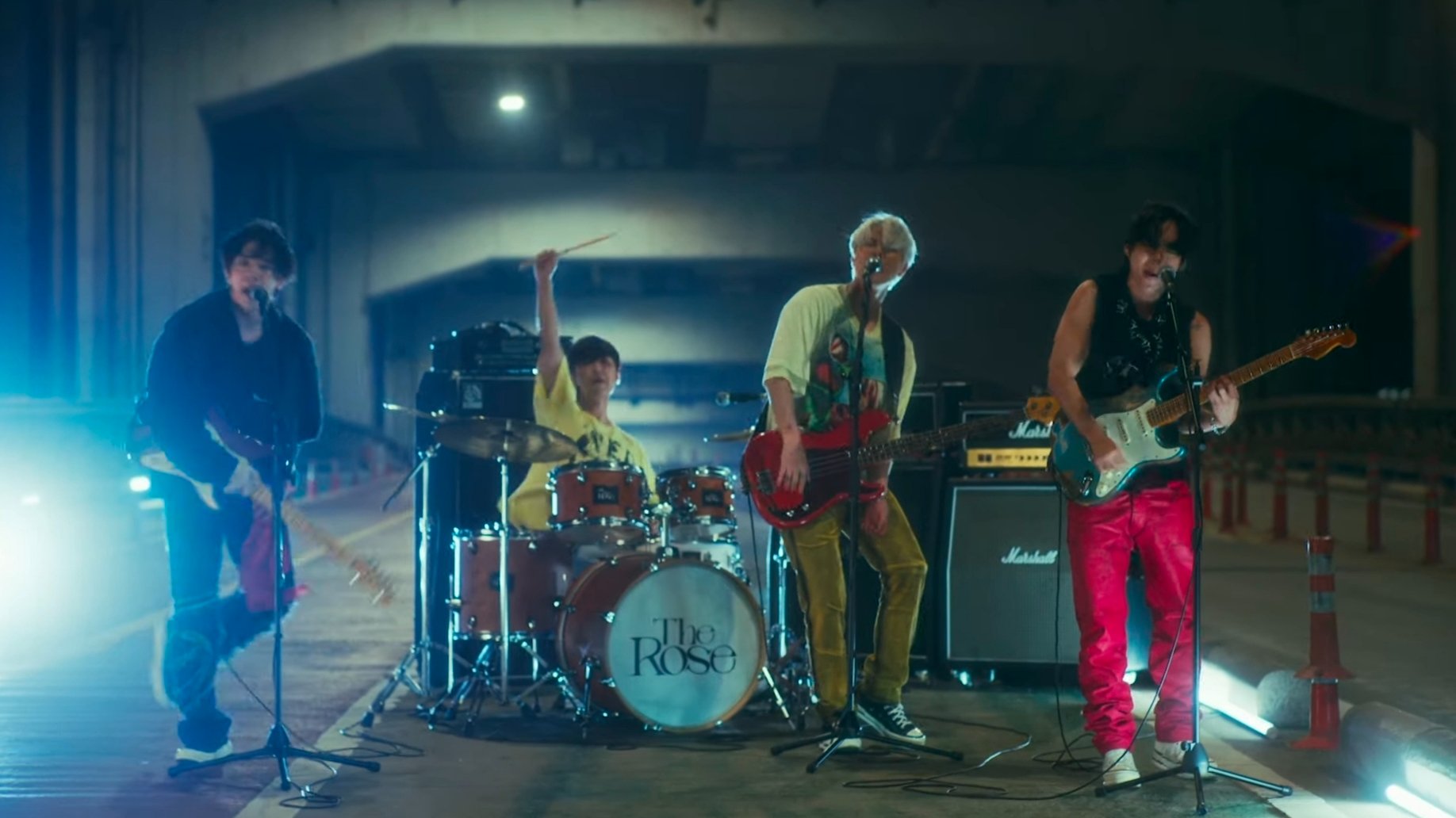

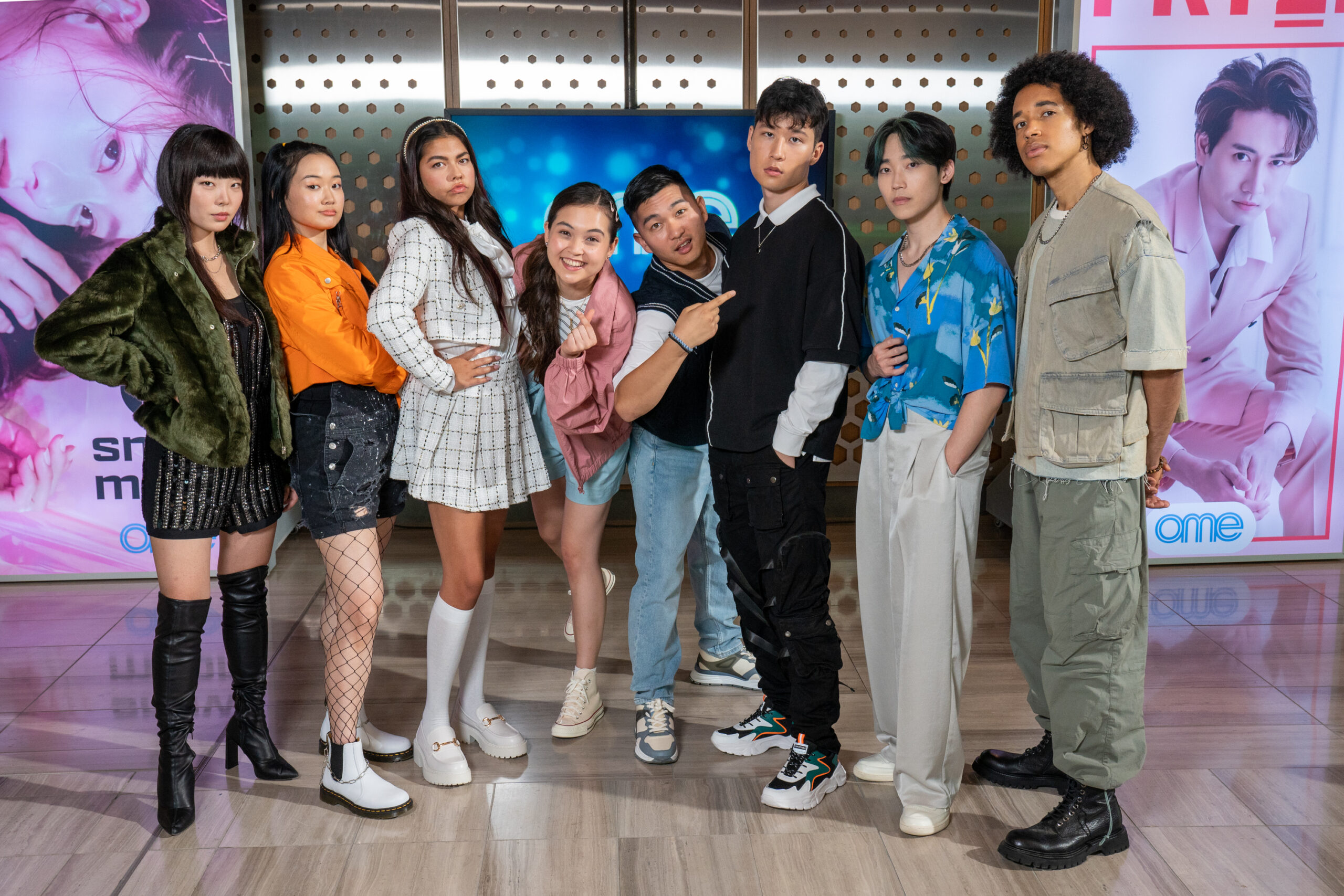
CBC Kids’ Gangnam Project is a landmark show for the Canadian kids television industry. What differentiates Gangnam Project from other kids’ programming is that they proudly have an explicitly all-Asian cast and a diverse crew. Gangnam Project centers around Hannah, a biracial Korean Canadian teen who gets an opportunity of a lifetime to teach English at a K-pop training school, but gets more than she bargained for.
As we continue to see more Asian representation in mainstream media in North America, most of the programming is geared towards adults, whereas Gangnam Project targets the age group of eight to twelve instead. Creator and producer of the show, Sarah Haasz spoke with Cold Tea Collective about the journey it took to create the show and how Gangnam Project helps the next generation of the Asian diaspora find belonging.
Asian representation in children’s programming
The initial idea of Gangnam Project was conceived as a book when Haasz visited South Korea at 16 years old. She shares, “I had this fantastical image of going back to Korea and being accepted, and everything was going to be fantastic. In many ways, my family was amazing and loving, but they thought that I was more Westernized than Korean. At that point, I didn’t feel Korean enough to be in Korea or Canadian enough to be in Canada.”
Fast forward two decades later and over six years of collaboration with the CBC, Gangnam Project gradually took shape, with the concept evolving to incorporate K-pop as its anchor. For Haasz, who was a broadcasting executive for twenty years, she says, “Timing is everything in this industry. Six years ago, I wouldn’t be able to get this green light… A lot has happened in the past six years where there’s more support for racialized communities.”
Every part of the show was done intentionally. From assembling a diverse cast and crew, including a Korean choreographer and a multicultural writing room ensured behind-the-scenes representation, too. “We just have to be persistent. These things take a while. I wanted Gangnam Project to be from a place of authenticity.” Haazs shares. “And it’s not just my experience and my story. It’s everybody’s story that touched this project… It’s not like something you can whip up easily. It takes a lot of thought and time to get the right crew together.”
Finding belonging in the diaspora
Hannah’s adventure to South Korea mirrors the broader Asian diaspora narrative, where some people may grapple with the pressure to conform to certain norms or expectations while navigating their heritage. Gangnam Project underscores the importance of mutual acceptance in bridging cultural differences.
“In my experience [that the show is based on], you have this expectation that you have to accept when you go to a country or your homeland, you need to know that you have to accept as well. It has to go both ways,” Haasz says, “You carve out your own identity. You’re not one thing, especially being biracial, and I have biracial children. You celebrate each culture that you are, every part of yourself.”
Amidst the songs and dances in the show, Gangnam Project advocates for young viewers to celebrate and embrace their multifaceted identity through their characters and the trainees. For young viewers to witness Hannah’s tensions and growth shows how rewarding it can be to explore their heritage and foster friendships to find belonging.
See also: How Chinese superstitions influenced my mixed Asian identity
Supporting the next generation of storytellers
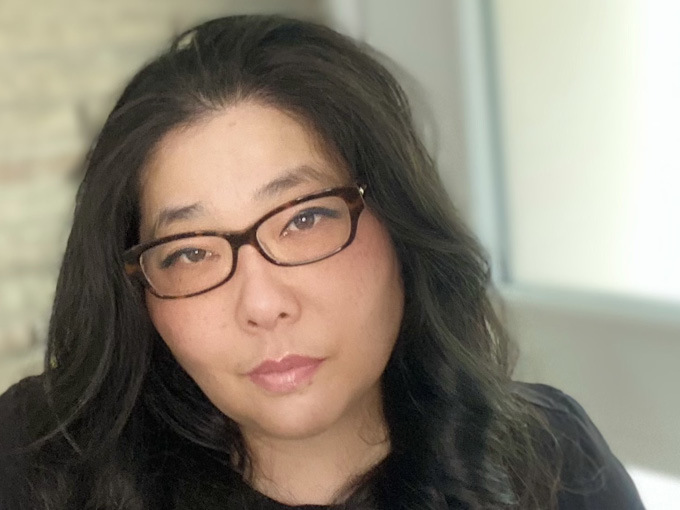
Haasz, who is on the board of the Youth Media Alliance and was previously an instructor at Centennial College for their Children’s Entertainment Post Graduate Program, has a depth of knowledge about broadcasting and production. She shares some pearls of wisdom for us to encourage the next generation of storytellers.
Haasz suggests identifying what role they want to play, then getting practical hands-on experience and exposure to different aspects of production. She suggests researching organizations like the Youth Media Alliance, CMPA, and the National Film Board to acquaint with the industry.
As for the story, start with what you’re familiar with as a person. Authenticity is always a good place to start. She also recognizes that pitching in front of the right people who can make decisions is critical in the industry. It’s a long, difficult road,” she concludes.
Stream CBC’s Gangnam Project today on CBC Gem or CBC Kids on YouTube.