In many Asian cultures, Lunar New Year is a time of joy, celebration, and new beginnings. Festivities often include celebrations with an abundance of food, decorations, and – if you are extra lucky – a healthy stack of red packets.
Depending on the culture, festivities can span from a few days to 15 days. Like other major holidays, increased gatherings and consumption can result in more waste, from discarded red packets and excess food leftovers to shopping for gifts. For instance, brands have recognized the opportunity to tap into the Asian and Asian diaspora market by launching campaigns and limited-edition products that embrace this holiday, such as the FENDI x FRGMT x POKÉMON collaboration and Nike’s Year of the Dragon Air Force One sneakers.
However, there is a movement, especially in Asia, to celebrate with the planet’s well-being in mind. Not only are consumers making more ethical purchase decisions during the holidays, organizations like Greener Action in Hong Kong and businesses in Singapore have launched red envelope recycling programs to address the waste problem.
From making your own decorations to reusing old red pockets, there are many ways to make your Lunar New Year celebrations as eco-friendly as possible. We can all continue honouring traditions and customs while being mindful of our impact on the environment.
Tips for eco-friendly Lunar New Year decorations
Reuse or make your own decorations
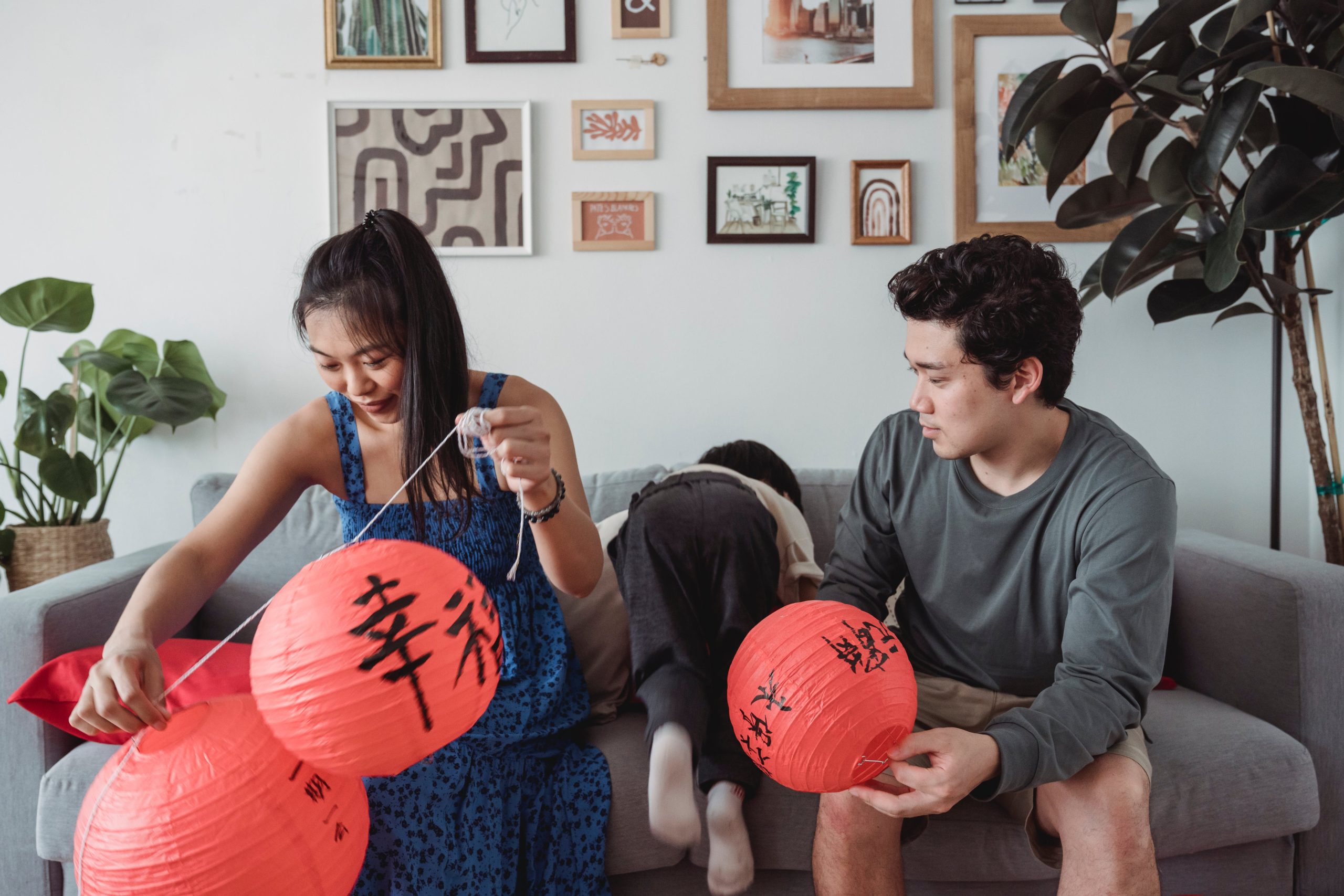
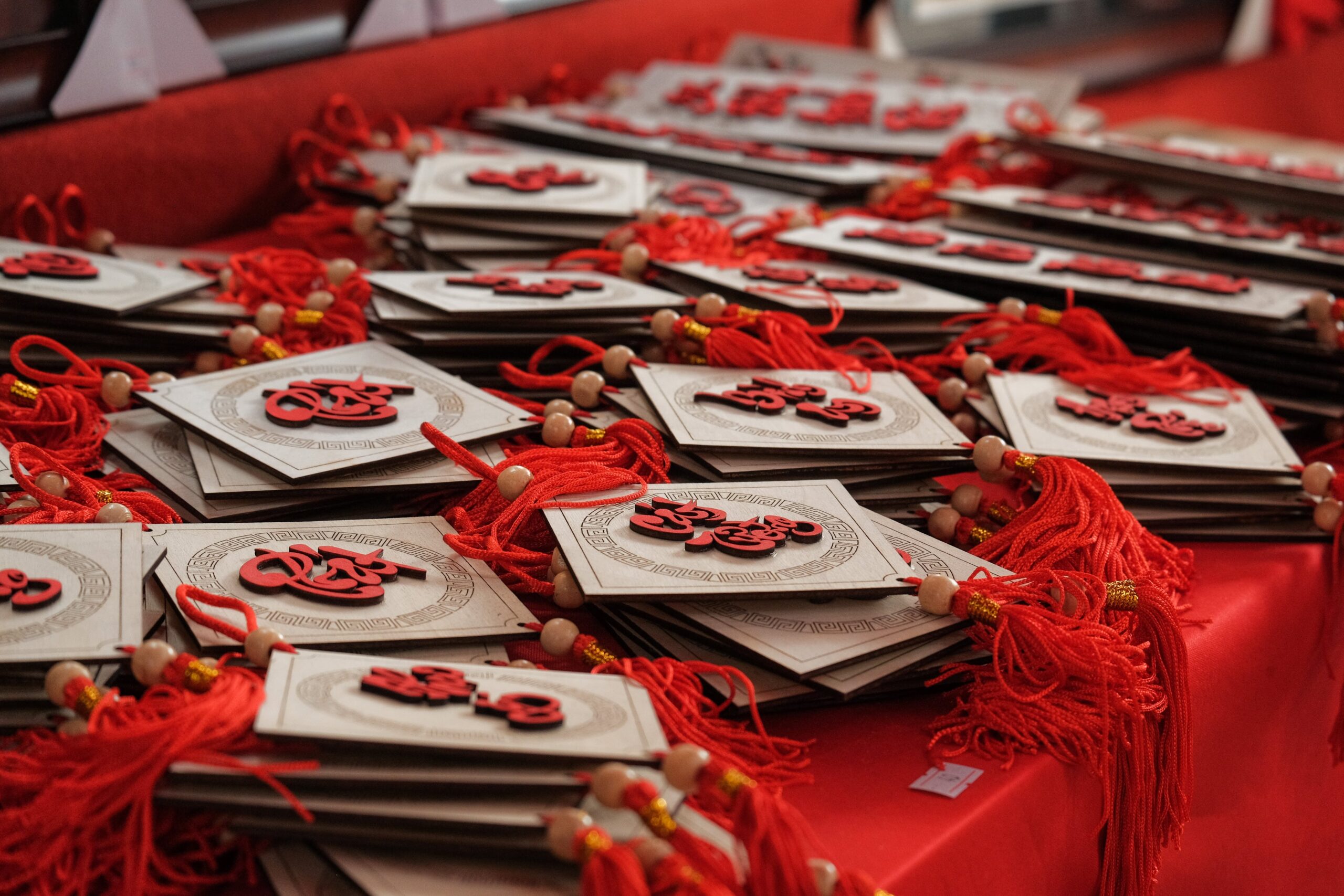
It is customary to fill your house with red decorations, from lanterns and fai chuns (door decoration). Over the years, these customary items have become mass-produced and are often made with plastic and red ink that can harm the environment. Most notably, we share decorations featuring the zodiac animal everywhere during the holiday. However, since the zodiac rotates yearly, decorations are thrown away constantly.
Instead, invest in decorations that you can use yearly. Motifs like peonies symbolize prosperity, fishes symbolize wealth, turtles symbolize wisdom, and bamboo symbolize longevity. If you feel inspired to make your own decorations, try this elegant mason jar light or colour a fun New Year dragon photo frame.
Re-use red pockets
Red pockets symbolize good fortune, and are given to children to keep the Nian (New Year) beast away. They are a key staple to the celebration but are often discarded after a single use, leading to excess paper waste. Due to the ink and foil used on the packets, the process is more complex when it comes to recycling. So, if you can, reuse red pocket envelopes. Over the pandemic, e-red pockets have become more popular in countries like Singapore due to its convenience, but if you still prefer something tangible, opt for ones that are printed on FSC-certified paper. For instance, the Stay healthy get rich red pockets by I’ll Know It When I See It or supporting local designers are better options than purchasing mass-produced envelopes if possible.
Being more conscious of our food and leftovers
Plant-based food
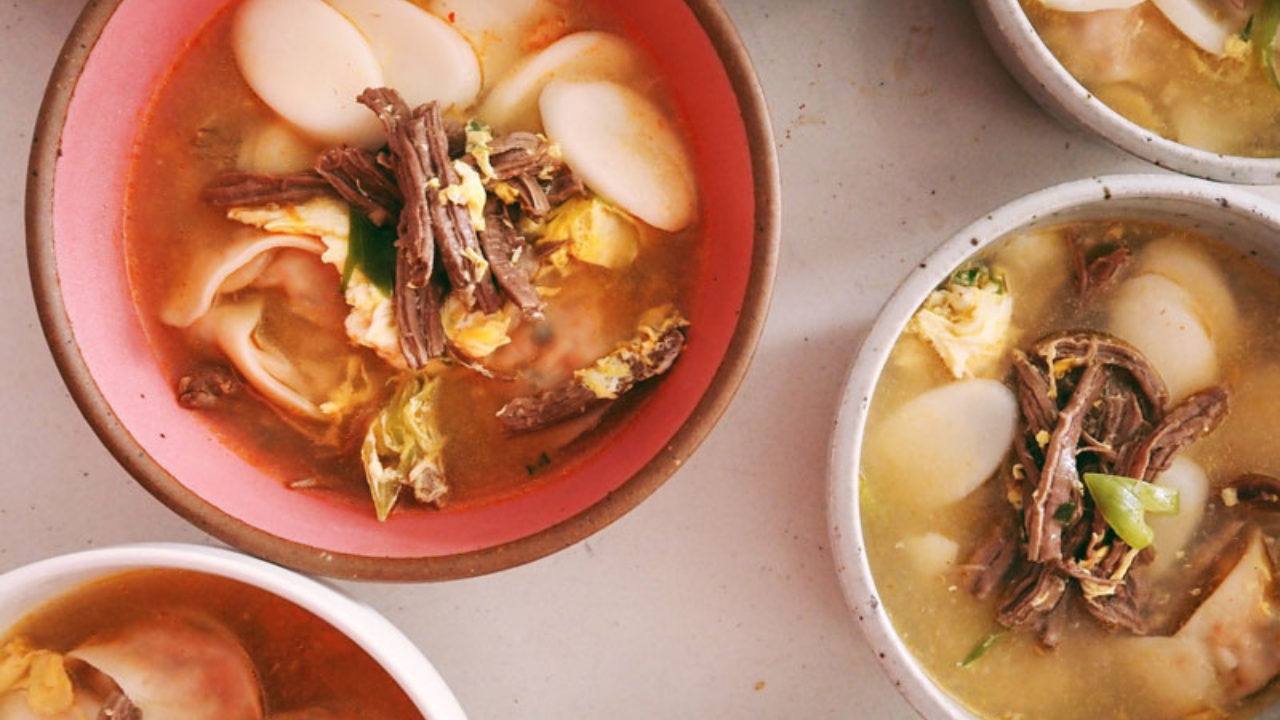
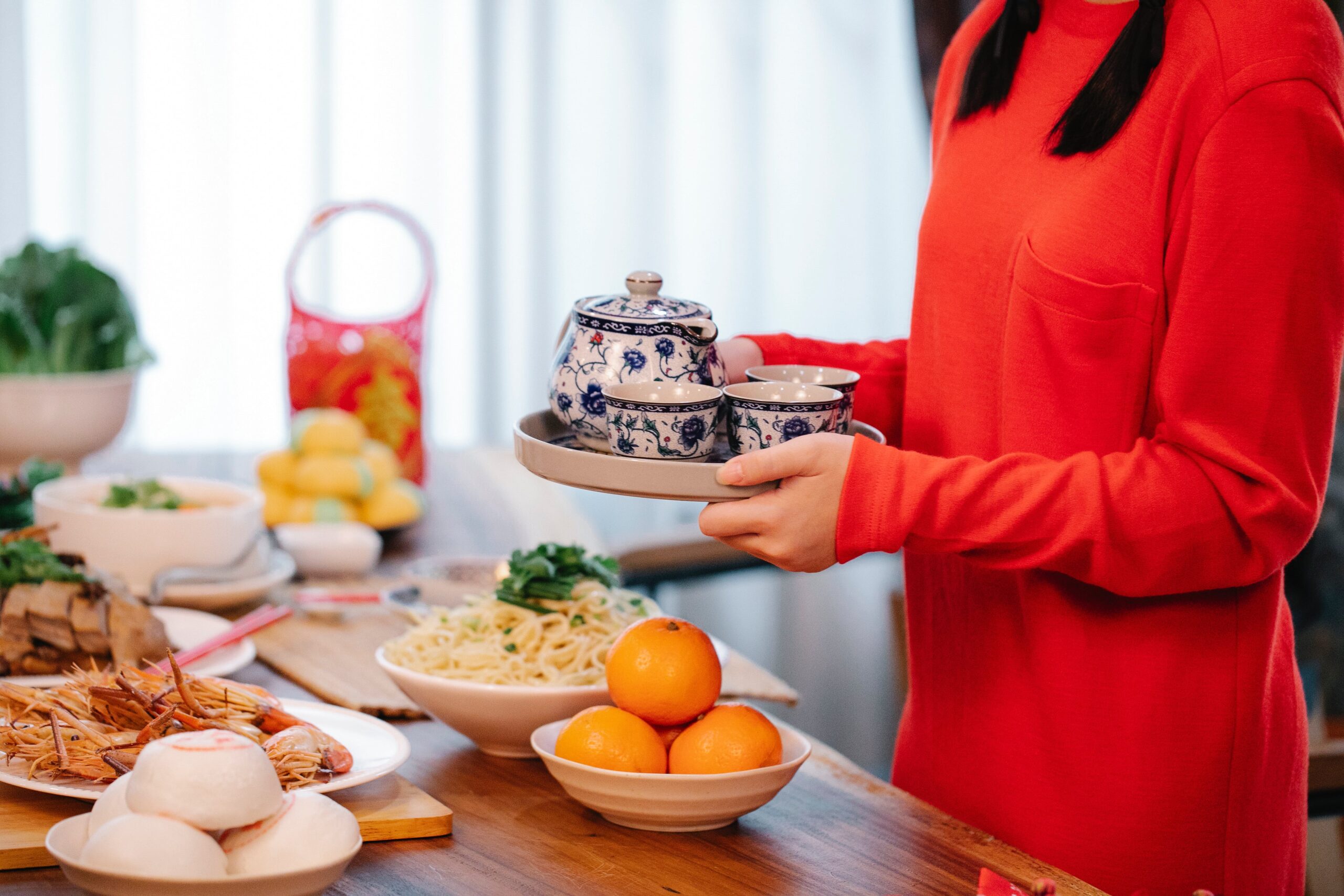
Besides the classic pork dumplings and whole fish during New Years, there are many delicious vegan recipes that impress equally! You can modify many vegetable-forward dishes into fully plant-based fares, such as ma po tofu, turnip cakes, buddha’s delight, glutinous rice cake, and longevity noodles.
If you’re looking for something creative and contemporary, the Korean Vegan places a spin on a traditional Korean rice cake with her crowd-pleasing dduck-dduck-goo rice cake. Making food together, like mochi pounding and dumpling making, is part of many family traditions around the New Years and can also help to cut down our carbon footprint.
Bring your own containers
When it comes to hosting dinners, my parents always taught me that it’s better to have too much than too little. While this ensures our guests never go hungry, the downside is having excess leftovers. Whether I am hosting or attending a party, I have takeout containers handy so I can scoop up the leftovers at the end of the evening. Not only is it a good tactic to decline a second helping of food from your elders, but you would also be doing the host a favour by bringing food home!
Mindful gifting prevents unnecessary waste
Gift zero-waste gifts
Growing up in a Taiwanese family, it is bad etiquette to show up empty-handed at someone’s house as a guest. When looking for an eco-conscious gift that also delights, treats, fruits, and plants are always a great idea. Whenever possible, opt for minimal packaging and support local businesses. Next time you visit a relative or show up at your friend’s house, bring a Lunar New Year themed treat or a box of the special AAA Beef Brisket Curry Cheese or sesame Tang Yuan Cruffin.
Spring clean responsibly
Spring cleaning, or oosouji (deep cleaning), is a common ritual to clear your home of bad luck in order to invite positive energy. Even though you might feel the pressure to get all the tidying done before New Year’s Day, make sure to dispose of your trash responsibly. Take extra care to sort your items, and list them on your local Buy Nothing page so they don’t go to waste. Or, add a finishing touch to your space with a DIY citrus all-purpose cleaner using some vinegar and mandarin orange peels.
See also: Dear Kiki: How can I change my parents’ sustainability habits?
The theme of prosperity during Lunar New Year extends beyond material goods; it also draws on the wealth of happiness, fortune, and health in your life. As we welcome the new year, let’s also invite abundance for our community and our planet in the long run, celebrating unity and prosperity for all.