Dear Kiki,
My Asian parents are selling my childhood home and enlisted my help in downsizing. However, they have accumulated many things due to a scarcity mindset and have trouble parting with their possessions. I want to be supportive, but I am also incredibly overwhelmed. Where do I even begin?
It is natural to experience many emotions as you say goodbye to your childhood home. For many of us, it is a place of familiarity, safety, and comfort that we can retreat to whenever we need a pick-me-up—even long after we’ve moved out. The memories in our childhood homes are the building blocks of our identity, and it can feel like we are losing a part of ourselves by permanently closing the door on those defining years.
However, navigating this path with Asian parents can be a significant emotional and mental load for the children (which sometimes goes unacknowledged) as they lean on you as they bid a final farewell to the home they had built for their family. Balancing your parents’ wishes for help and intervening with reasonable discards can be tricky, especially when dealing with sentimental items.
So, having coping strategies and moving plans can help with the process, minimizing stressors on the family.
Cope in your own way

Even if downsizing was always part of the plan or a logistical next step, it can feel like a shock when it’s time to pack. You are carrying a huge emotional load by being there for your parents and by processing your grief.
Therefore, giving yourself the space to process your feelings healthily can help the move go smoothly.
- Practice gratitude: Take time to reminisce memories by spending time in familiar spaces, looking at old photos, or packing a memory box with mementos
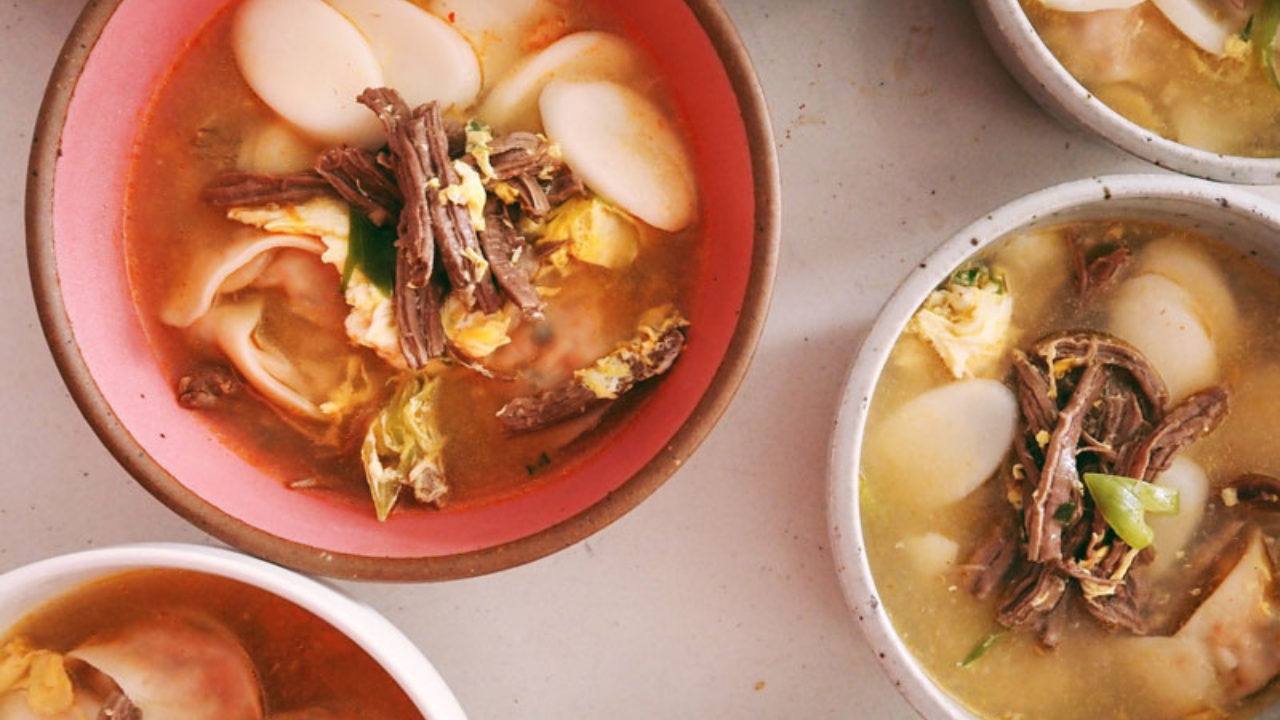
- Gather for a meal: Go around the table sharing your childhood memories or cook your favourite childhood dish with your parents.
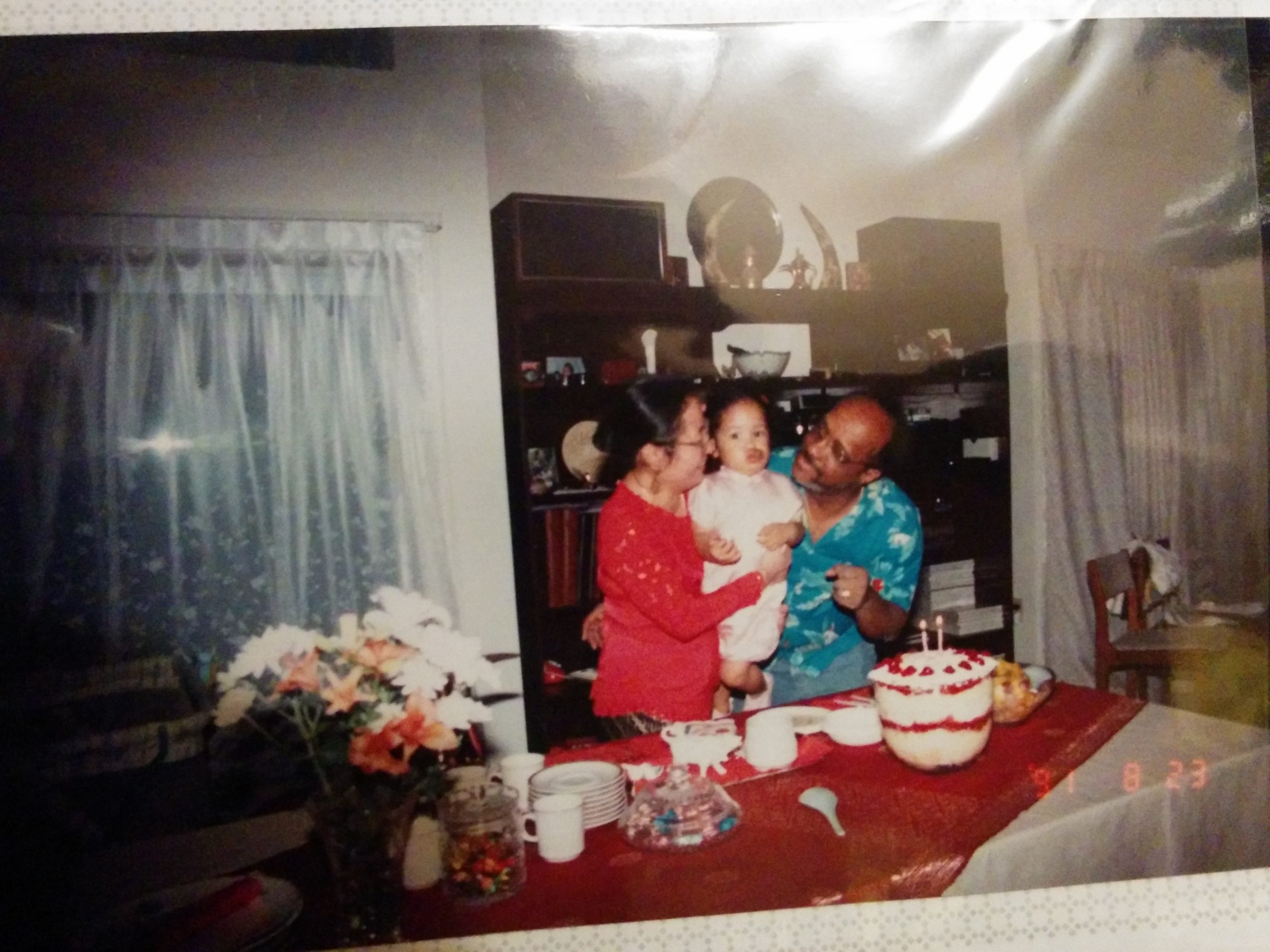
- Take a family photo: A photo will last forever—in front of the porch, at the front door, or in different rooms. Be creative!
- Throw a going-away party: Invite family, friends, and neighbours to send off their homes positively in a celebratory way.
Understandably, sometimes negative feelings may get triggered. Acknowledging those feelings, whether good or bad, can help you move on to your next season of life with closure. Whatever that sentiment may be, create your own special moment to say goodbye on your terms.
Dear Kiki: How can I show gratitude and appreciation to my parents?
Make a plan for the new space
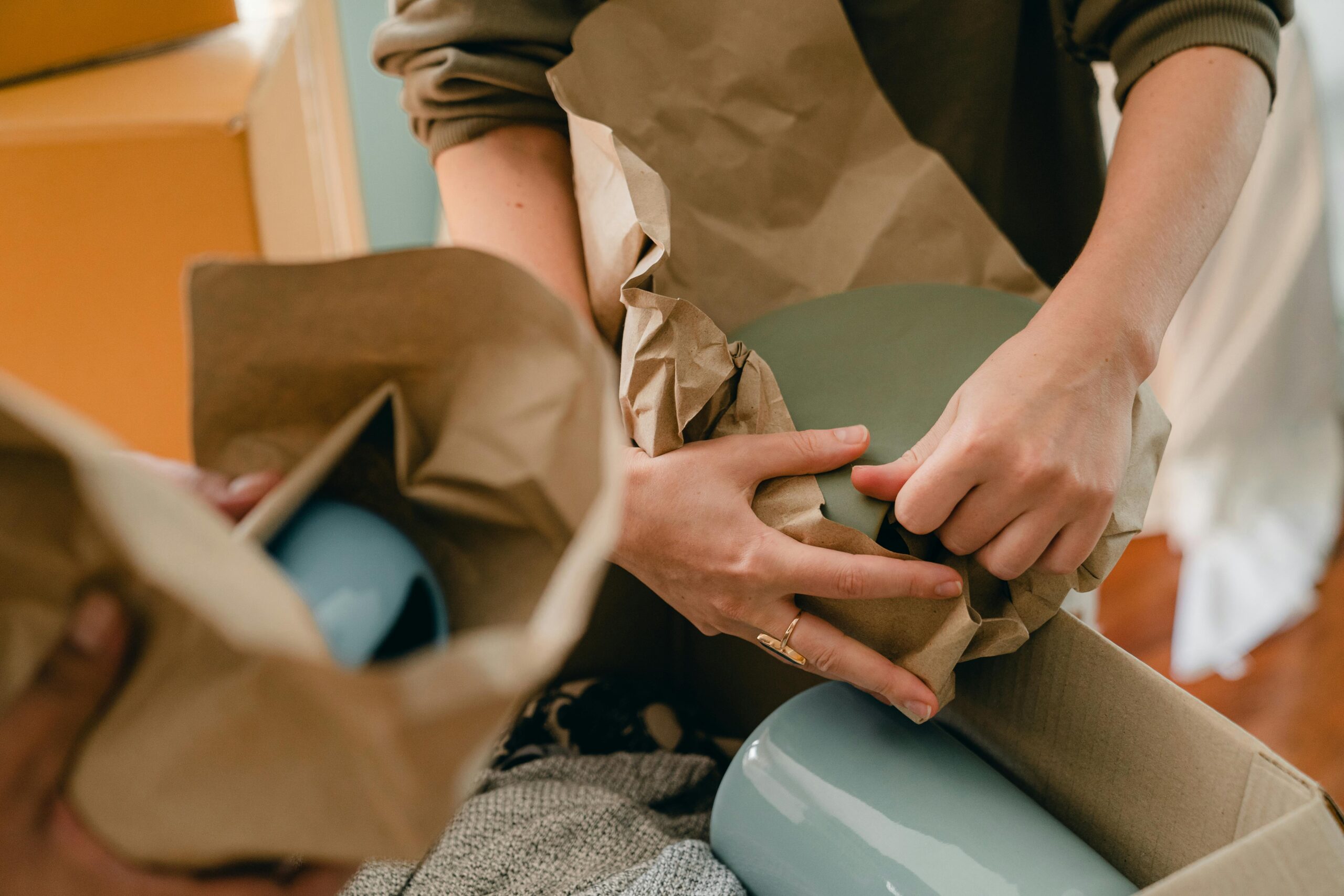
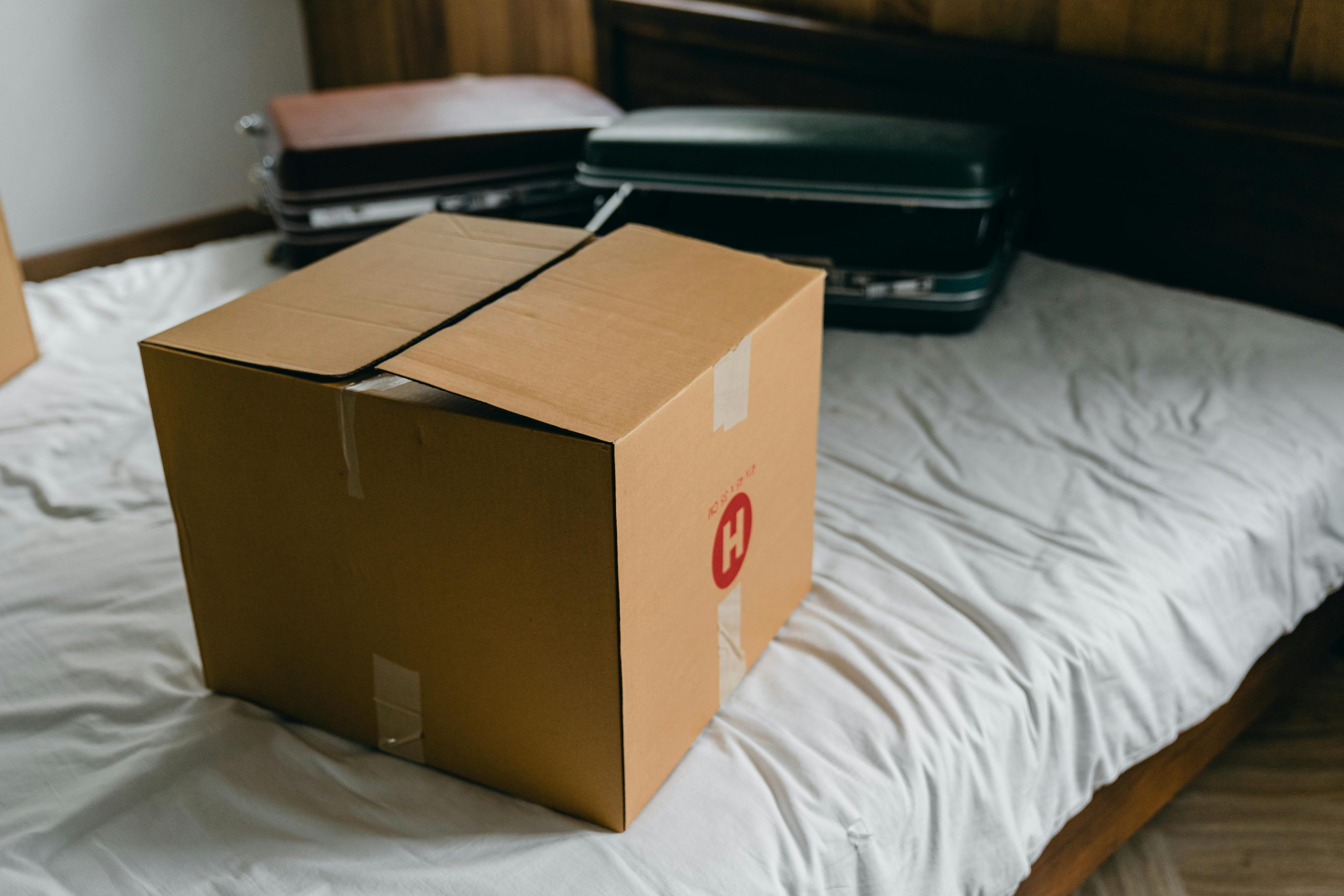
Packing up your home is challenging for everyone involved. For many immigrant parents, hoarding or keeping items may have resulted from a scarcity mindset they developed when they moved to a new country.
While changing your Asian parents’ old habits is impossible, some strategies can help them overcome their scarcity mindset.
- Listen with empathy: Do your best to honour their wishes as much as possible, especially for sentimental items. If you disagree, listen to their needs and reasoning before suggesting alternatives.
- Help them visualize: Assess the new space with your parents, from square footage to storage availability. Ask your parents to visualize their ideal layout to develop realistic goals about what they should keep based on size and priority.
- OHIO (Only Handle It Once) strategy: To prevent any second thoughts, follow OHIO and discreetly hide the discard pile from your parents so they don’t go into it.
If it becomes too overwhelming, getting help from family and friends is okay, too. Moreover, outsourcing to professionals, such as junk removal services and movers, who have the right tools and are less emotionally involved can speed up the downsizing process.
Lead with Compassion
Before you throw your hands up in defeat, it would help to explore why they hold onto certain objects dearly. Consider the scarcity mindset, which can result in clutter and paralyze their ability to decide what they might need in the future.
Historically, some Asian communities have faced marginalization, which can contribute to the prevalence of a scarcity mindset due to limited resources and opportunities.
Furthermore, your parents are also bidding farewell to the home base they worked hard to build. They may experience similar emotions, but they might not express them outrightly. Some of our Asian parents may find it difficult to communicate their feelings openly, like coping in silence, due to the cultural norms they grew up with. Paying close attention to their nonverbal cues or initiating discussions about the move can help them process their emotions.
Therefore, lead conversations with compassion. Understanding your parents’ lived experiences fosters empathy, strengthens family bonds, and promotes healthier communication.

Close the door on an old chapter
Grieving the loss of a home is a natural part of our living experience. As you navigate this major transition alongside your parents, it is important to take care of your mental and emotional well-being as well as theirs.
Planning ahead with emotional coping and packing strategies can help you and your parents transition smoothly into the next chapter of their lives. Hopefully, this experience will bring you closer as a family, even when you no longer live under the same roof.
Dear Kiki is Cold Tea Collective’s advice column and it is published in the last week of every month. To get advice from Kiki, submit your questions and comments here. Or, subscribe to our newsletter to get Kiki’s advice straight to your inbox on the last Sunday of every month.