This year, Seollal fell on February 17. Often shortened to just Seol or called Gu-jeong, literally “Old New Year,” the holiday is a time for family, food, and traveling back home.
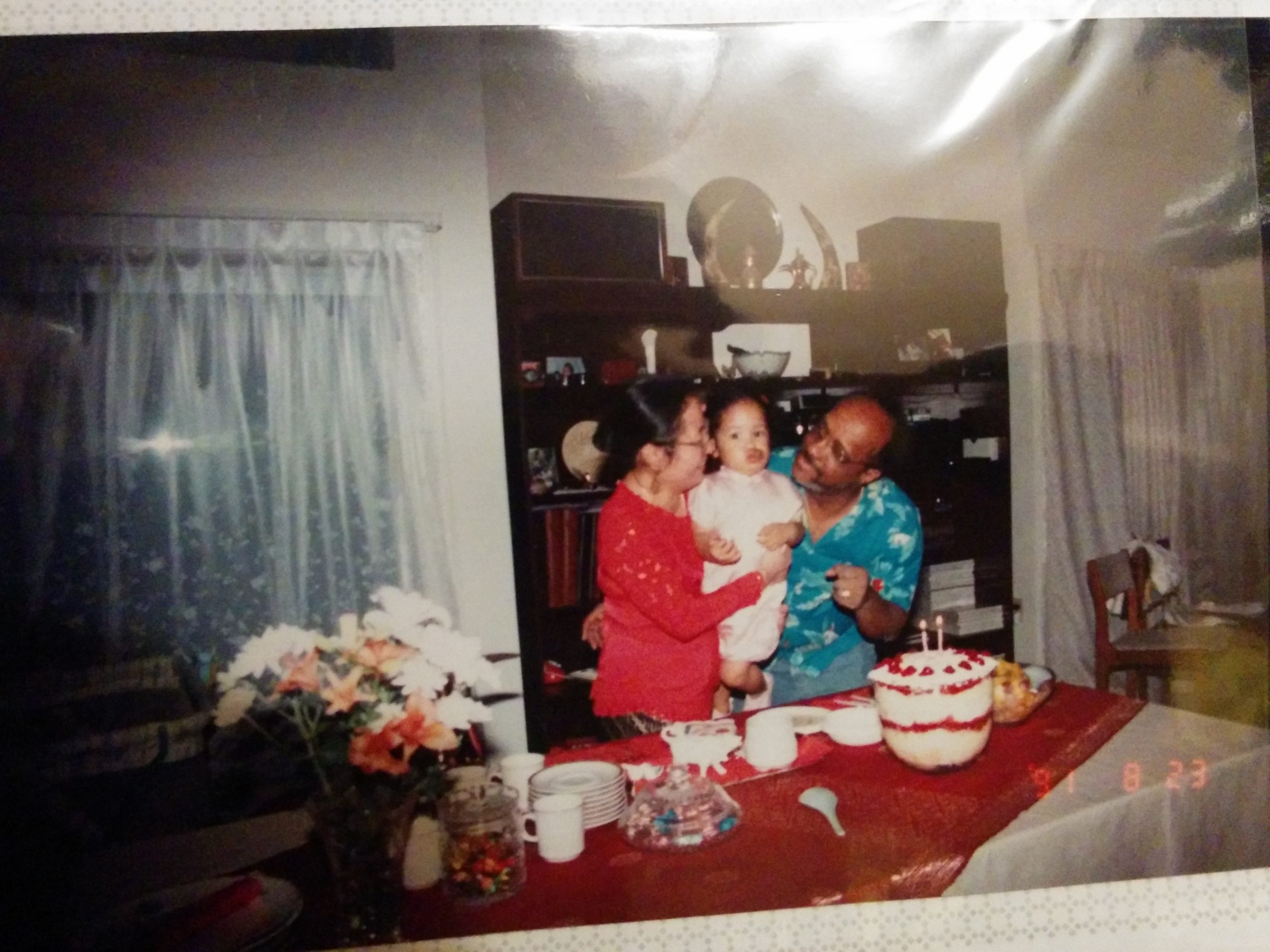
Before moving to Korea in 2022, I didn’t know much about Seollal. I was more familiar with Chinese New Year and Lunar New Year and only heard of the Korean name for the holiday in my twenties. As a family, we didn’t observe Seollal; instead, we carried over its traditions to January 1.
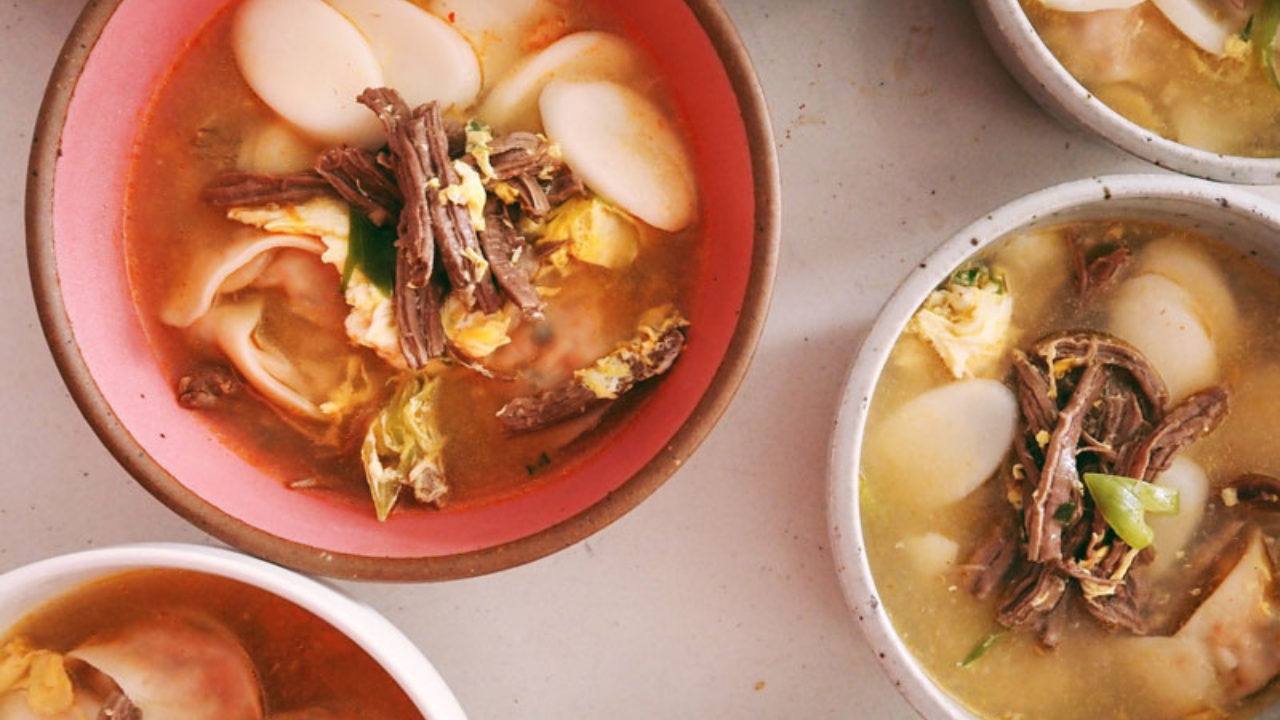
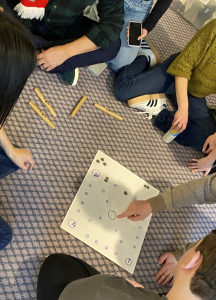
On the first day of the year, my extended family gathers to eat tteokguk, play yutnori — a board game — and bow to our older generation. Tteokguk is rice cake soup, traditionally eaten on Seollal, symbolizing both a fresh start and the gaining of a year.
Regardless of our Korean proficiency, everyone knew how to say the standard Seol greeting: “새해 복 많이 받으세요,” which translates to “may you receive many blessings in the new year.”
As a kid, the New Year’s family gathering was a chance to receive money by bowing to our elders and meet extended family. Now, as an adult, I admire how my family sustained it for decades, keeping us connected and close to our Korean culture.
Korea’s take on Seollal
In Korea, Seol is a familial affair, with real logistic consequences throughout the country. Many Koreans live in major cities, away from their hometowns and villages. As a result, many Koreans try to travel home during the holiday, which usually lasts three days or more. For those who make the trek out of Seoul, the roads out of the city become clogged with traffic.
However, Seollal wasn’t always a public holiday. The Korean government tried for almost a century to dissuade its people from celebrating Seol on the basis of aligning with Western civilization and modernization. Regardless of the measures taken to make celebrating harder, Koreans still made the trek back to their hometowns. Finally, in 1989, Seollal became the three-day holiday we know today.
Notably, before the Korean government reinstated the holiday in the Korean calendar, many Koreans began immigrating to the United States in 1965 following the enactment of the Immigration and Nationality Act.
And as waves of Korean immigrants arrived in America, they carried their traditions with them.
Curious to know about how others celebrated Seollal, I asked fellow Korean American women for their thoughts on the holiday.
See more: Celebrating Korean diaspora joy with Made in Korea author Sarah Suk
Seollal as the real New Year
For music consultant and educator Genie Joo, Seol was the new year.
“Despite growing up in America, my parents always told me that Seollal was the ‘real new year,” Joo said. “I never understood or embraced it — mostly due to my dislike of the lunar calendar being so confusing. But now, Seollal really does mean the ‘real new year’ compared to January 1st,” Joo recalls.
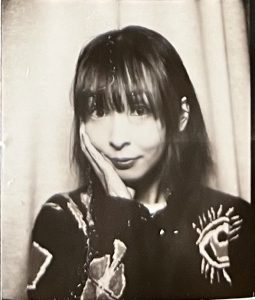
She explained that her family didn’t do any big celebrations for the holiday beyond eating tteokguk and saying the Seollal greeting.
“It’s nothing big or grand, but it’s something we do every year without fail to remind us of the new year and of being a family,” Joo shares.
Similarly, author Lyla Lee was raised on the belief that Seollal was the actual New Year. “Practically speaking, Seol seems to be when things actually kick into gear and are less of an extension of the previous year,” Lee says.
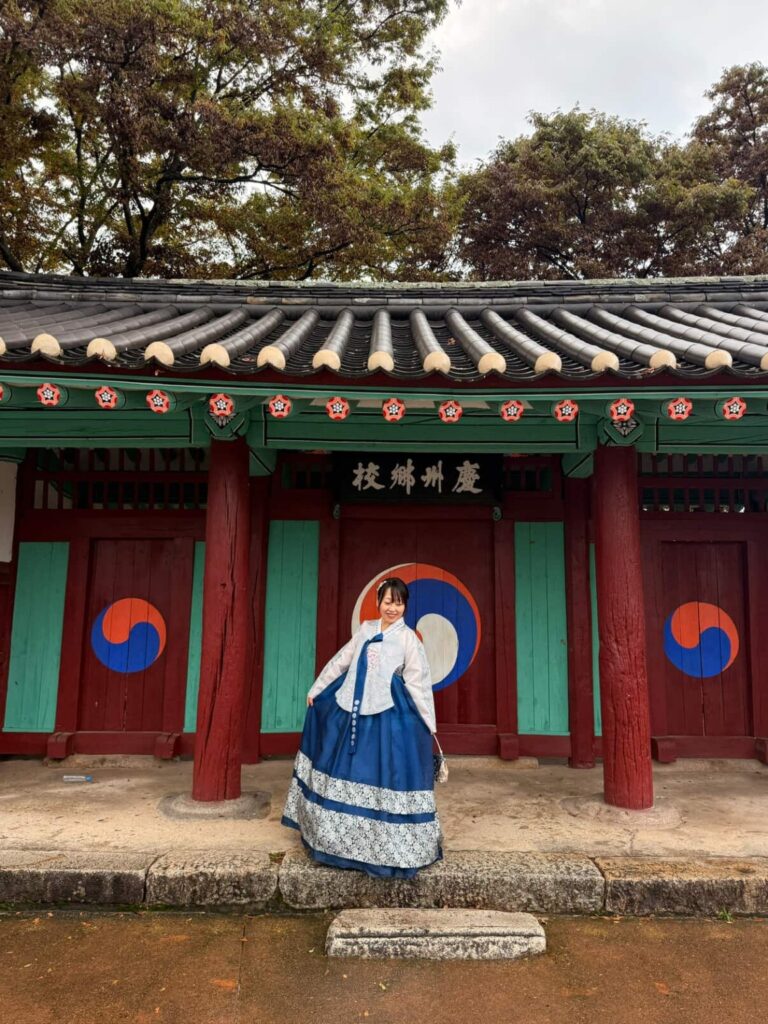
She also grew up with beliefs around the zodiac signs and paid attention to the energy shifts that came with the new animal of the year.
Lee also wrote about Seollal in her book, Mindy Kim and the Lunar New Year Parade and is excited to pass on the traditions to her future family. “We don’t have kids yet, but I’m looking forward to passing down the fun traditional games I grew up playing, like yutnori,” says Lee.
See more: Pride in writing: Sexuality and Asian representation in Lyla Lee’s Works
Anger and melancholy
Despite the festivities, the meaning and memory of Seol can change through time and location for some in the diaspora.
For Korean Canadian Ayoung Kim, a former Cold Tea Collective editor, the holiday took on new weight as she grew up and moved abroad.
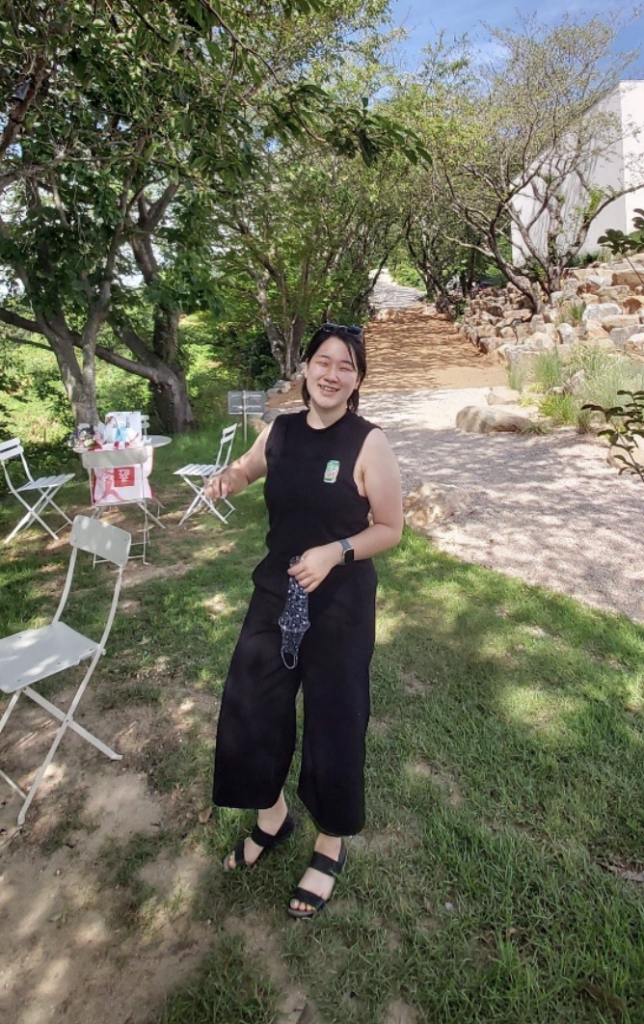
“With family, Seol is a day charged with the minefield of inequitable labor distribution, food that is delicious but takes forever to make, and days of preparation in advance,” she says.
“When I am away from family, the holiday fills up the space as loneliness, as being apart on a day when people should be together.”
Ultimately, for Kim, the holiday was about food. Whether it was the discounted items at the Korean grocery store or homemade dishes eaten while catching up with extended family, food was both a source of tension and comfort.
“I could lean into the anger of the food when eating with my family… only to miss them upon leaving,” she said. In contrast, while living abroad, she shares, “If I’m lucky, my floating diasporic community lands in proximity around Seol, and we share a good meal, as a family.”
See more: Communication and complexity: The essence of cooking for others
New traditions, building community
As for Giaae Kwon, food writer and author of I’ll Love Your Forever: Notes from a K-Pop Fan, Seol became an opportunity to create new traditions.
Seollal is still new for Kwon, despite growing up in a very Korean neighbourbood in Los Angeles, thirty minutes away from Koreatown.
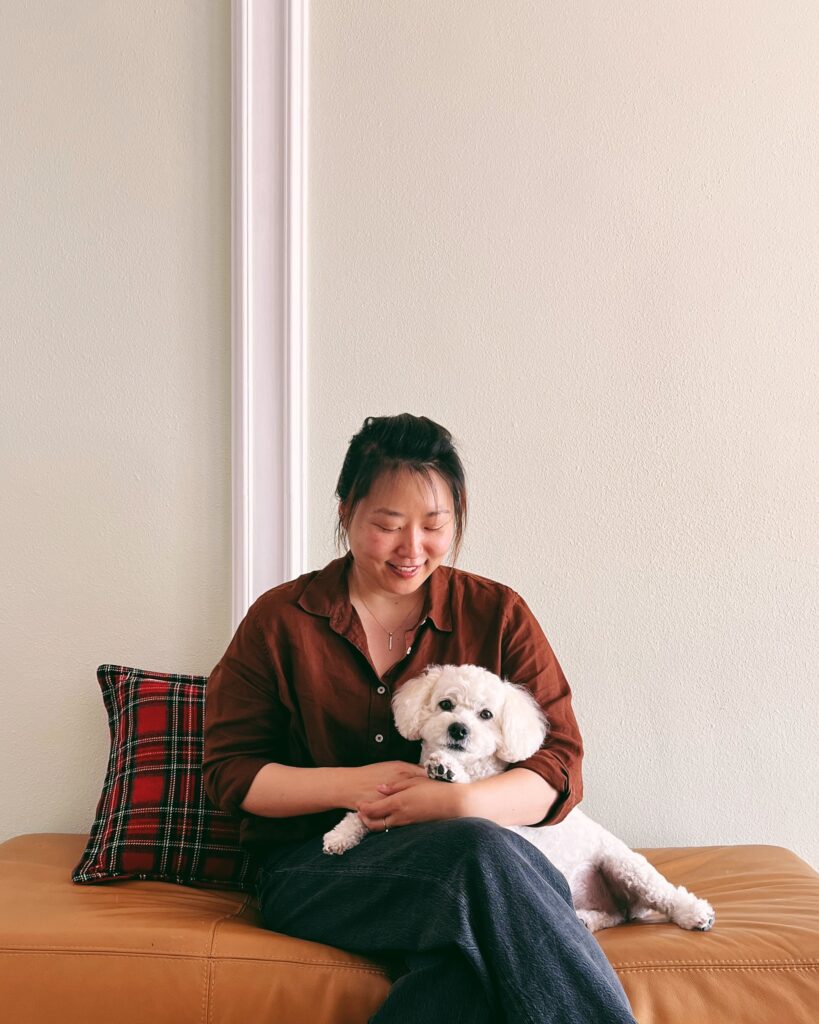
“I didn’t grow up celebrating Seollal. Honestly, I didn’t even know that Koreans observed the Lunar New Year at all because I’d only ever heard it referred to as ‘Chinese New Year,’” Kwon explains.
In 2019, Kwon began hosting gimjangs, traditional kimchi making sessions, and in turn, building a community with new and old friends.
“It meant a lot to me to start an annual gimjang with friends because [I can] build this tradition with a community that is also connecting with Koreanness in a way that is new to them,” says Kwon. This year, she plans to host a Seol event with members of the gimjang group as well.
The story of Seollal
At Kwon’s Seol gathering, the kitchen counter was fully covered with food. Bowls of tteokguk filled a third of the space, and the remaining area was populated by assorted plates of japchae, several types of jeon, white kimchi, and sweet potatoes.
This was only my fourth time celebrating Seol, and my first time celebrating it in New York City. The first three times I celebrated the holiday were because I lived in Korea and had the day off. Originally, I didn’t have any plans for Seol, as I already had my fill of tteokguk and seen my extended family — it was just another day in America.
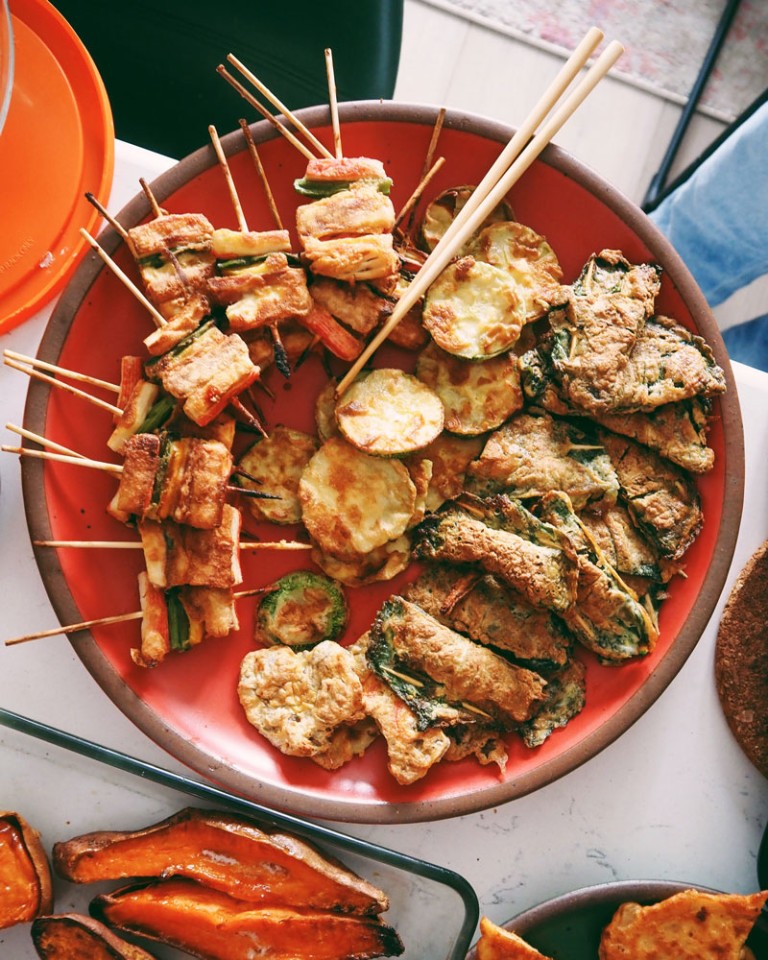
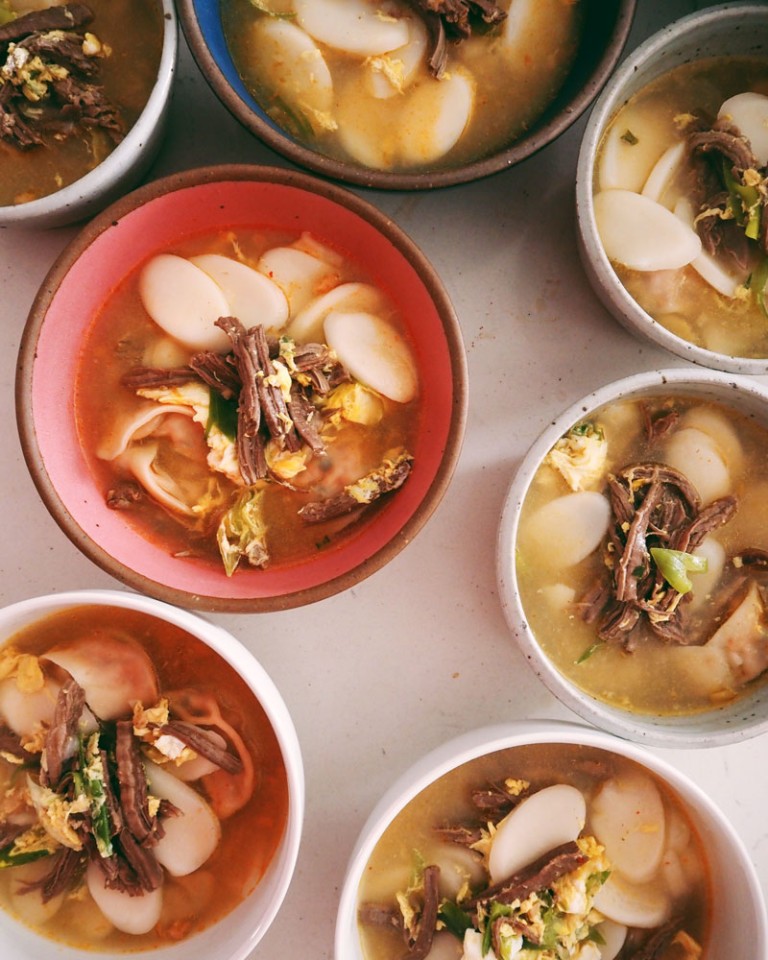
But in Kwon’s apartment, I felt hints of home. It was novel yet familiar, chatting with new friends about the 2026 Winter Olympics, the physics of curling, and how we should translate the Seol greeting. Was 복 more like luck, fortune, or blessing? What were we actually saying when we said 새해 복 많이 받으세요?
The story of Seollal is one of persistence and community. Koreans have always found ways to celebrate the holiday regardless of systematic attempts to suppress it or logistic details in celebrating it abroad. Whether as an immigrant child, an adoptee, or an international student, Seol invites us to come together and reach towards home, both in our culture and each other.