Cultural barriers to embracing neurodiversity in Asian American
Neurodiversity is more than just a label; it’s a movement that challenges traditional perceptions of cognition, learning, and communication. For Asian American, Native Hawaiian, and Pacific Islander (AANHPI) individuals, embracing neurodivergence often means navigating deep-rooted cultural expectations, systemic barriers, and intergenerational stigma. However, AANHPI advocates, mental health professionals, and leaders are reshaping the conversation by sharing their lived experiences, creating affirming spaces, and advocating for more inclusive narratives.
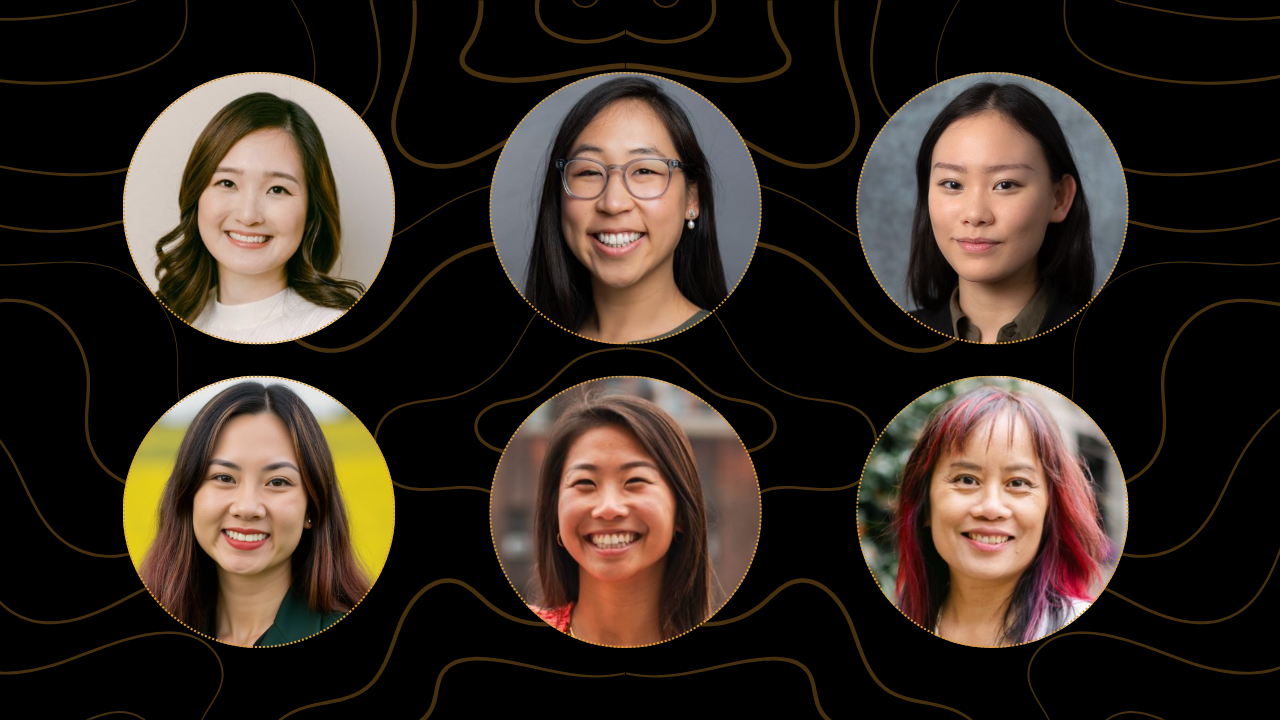
For Neurodiversity Celebration Week and Developmental Disabilities Awareness Month 2025, we are highlighting the voices of six neurodiverse individuals and their organizations that provide support and resources for the AANHPI community.
Neurodiverse individuals, the pressure to succeed and the fear of falling behind
For many in the AANHPI community, growing up neurodivergent meant masking differences to meet familial and societal expectations. Academic success, obedience, and self-discipline were often prioritized over individual expression, making it difficult for many to recognize or accept their neurodivergence.
For Linda Yoon, founder of Yellow Chair Collective and co-founder of Entwine Community, growing up as the eldest daughter in a Korean immigrant family meant constant pressure to excel academically.
“Success was measured entirely by academic performance. I struggled in silence, believing that if I just tried harder, I could function the way I was ‘supposed’ to. It took years to unlearn that my brain wasn’t broken — it was just different.”
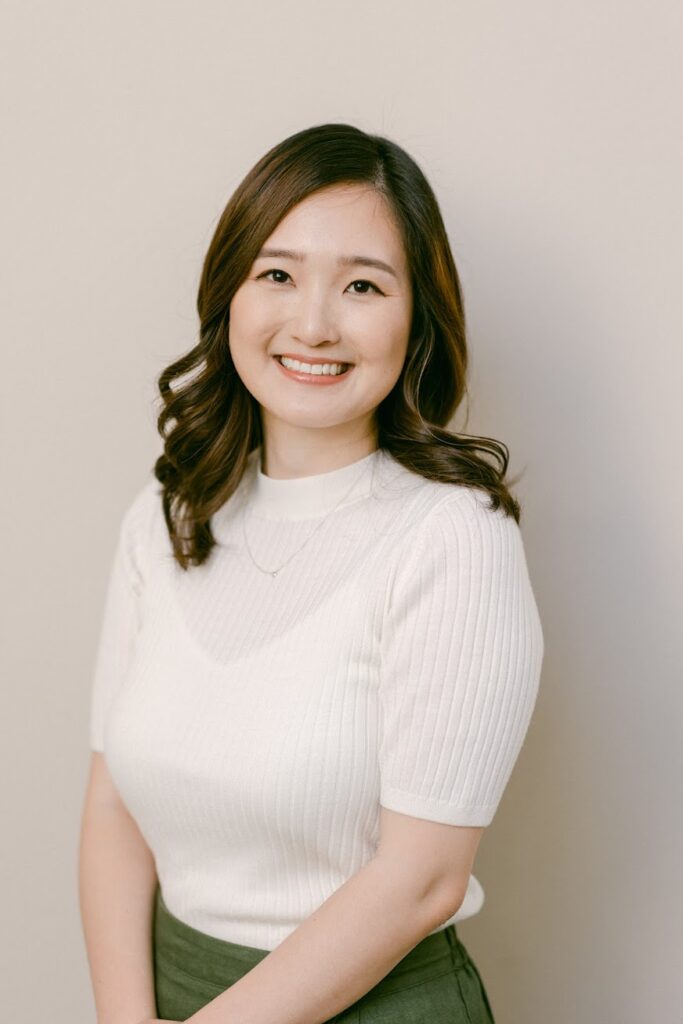
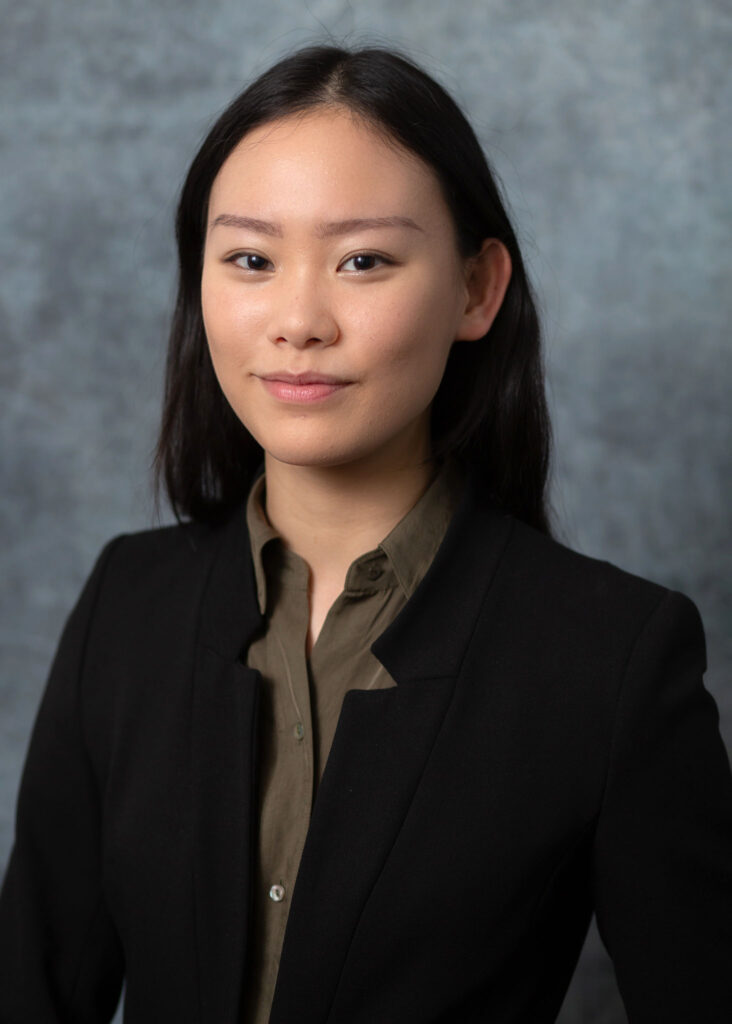
For Angel Wang, Chief of Staff at Anise Health, navigating neurodivergence within traditional Chinese American values added another layer of challenge.
“As the child of immigrants, I felt pressure to protect my family’s reputation and ‘save face.’ This meant that I didn’t openly discuss challenges I had when it came to my intellectual and psychological needs. The stigma against being different mentally and emotionally made it hard to acknowledge neurodiversity in myself and my peers.”
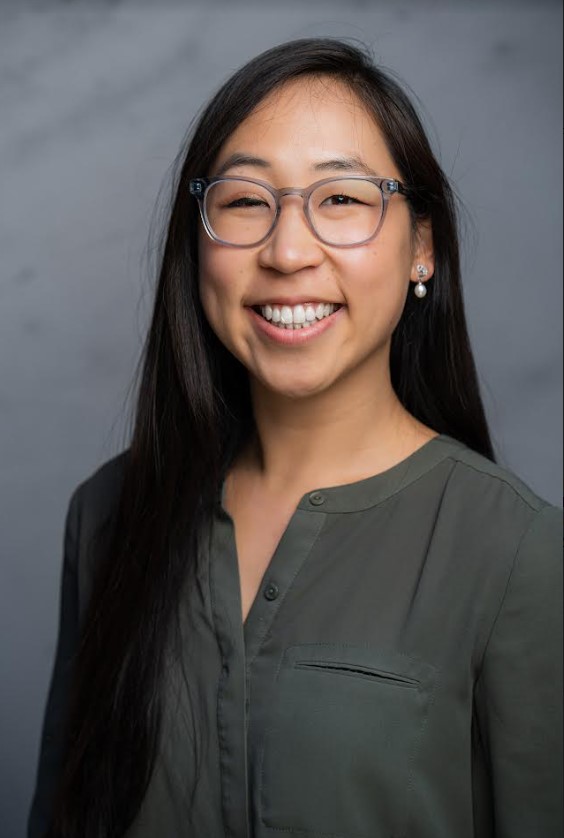
The pressure to conform often left individuals feeling isolated in their struggles. Elizabeth Sweet, a transracial Korean American adoptee and Community Engagement Manager & Director of NAAPIEN at NAAPIMHA, grew up without access to conversations about neurodivergence.
“Growing up in a predominantly white town with no connection to the Asian American community, I always felt ‘othered.’ My neurodivergence compounded that feeling, making it difficult to find spaces where I truly belonged.”
See also: How I overcame cultural expectations to regain control of my mental health
The lack of awareness and the medicalization of neurodivergence
For Panicha Mcguire,, founder of Living Lotus Therapy, an AuDHD Licensed Marriage and Family Therapist, Registered Play Therapist, and neurodiversity-affirming clinician specializing in Autism and ADHD, the lack of awareness surrounding neurodivergence in the 90s meant that her struggles were dismissed rather than understood.
As a 1.5-generation Thai, Chinese, and Vietnamese neurodivergent individual, Panicha often felt the immense pressure to conform within her cultural upbringing, where any deviation from expected behaviors was met with shame and misunderstanding.
“Growing up in the 90s, the understanding of mental health, let alone neurodivergence, was extremely limited. Conversations about ADHD or Autism were nonexistent, and any behavioral differences were often dismissed as disobedience or a lack of discipline. Today, while progress has been made, significant stigma remains particularly within Asian communities, where neurodivergence is often viewed through a medicalized lens as something to be ‘treated’ rather than understood as a natural variation of the human brain.”
See also: Cultivating a space for Asian mental health conversations
Language and cultural stigma around ADHD and autism
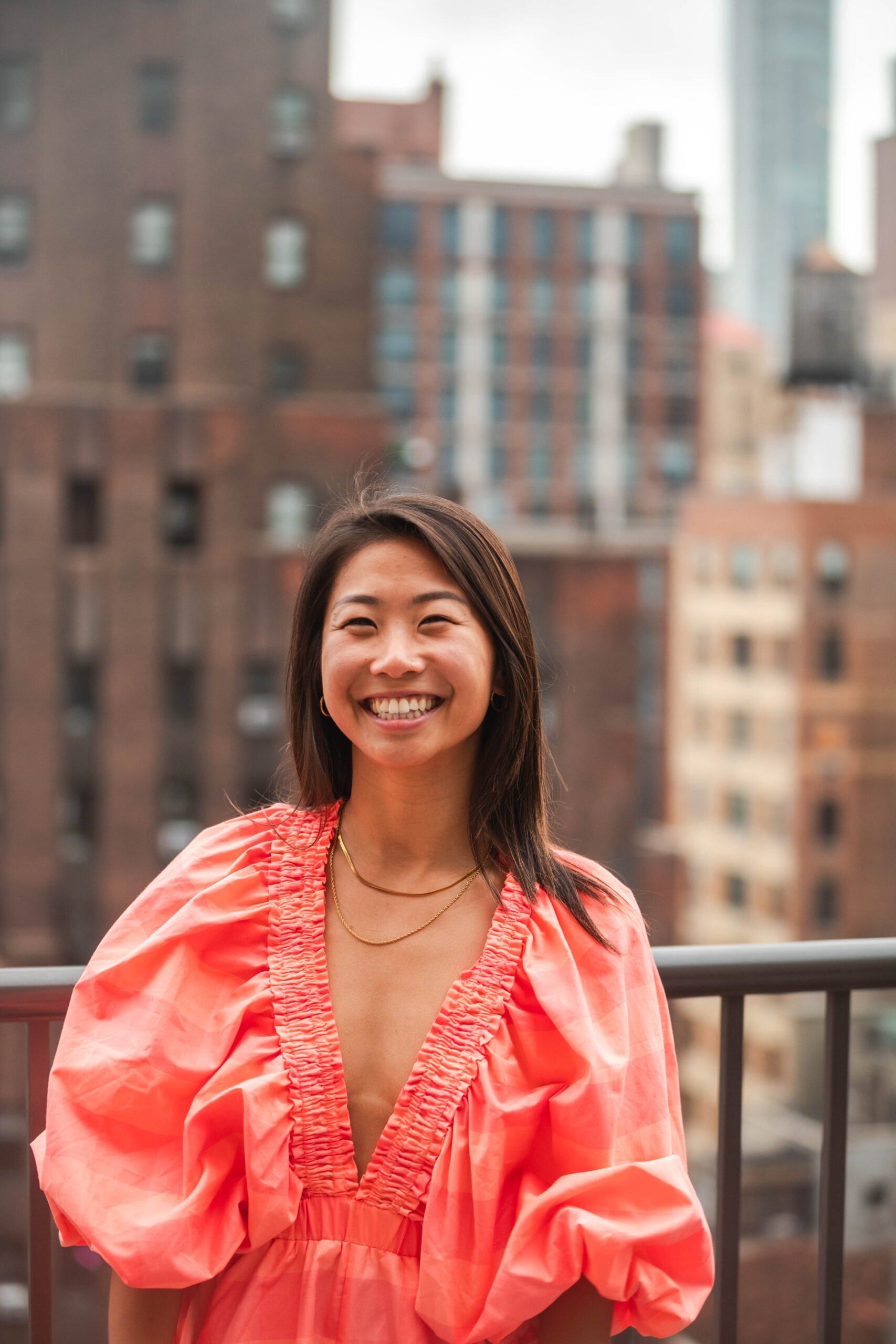
Beyond family expectations, language plays a crucial role in shaping perceptions of neurodivergence. Chris Wang, co-founder of Shimmer, notes how ADHD in Chinese is 多动症, which literally translates to “moves a lot disease.”
“My parents didn’t recognize ADHD because they didn’t even know it existed. When I got diagnosed, I saw few Asian ADHD creators in the ADHD space. Despite an increase in Asian ADHD creators, we need to normalize and increase representation.”
Family dynamics also shape how neurodivergence is understood and accepted. Hoang Mai Pham, Founder and President of IECare, shares how her Vietnamese immigrant family had to shift their expectations after her child, Alex, was diagnosed as autistic.
“My Vietnamese immigrant parents had high hopes for their grandchildren’s success through traditional education and careers. But when Alex struggled in systems that didn’t accommodate their neurodivergence, my parents shifted their focus — letting go of expectations and prioritizing happiness and fulfillment instead.”
Reclaiming neurodivergence: Strength, self-acceptance, and unmasking
For many AANHPI neurodivergent individuals, self-acceptance means unlearning societal stigma and embracing authenticity.
Chris Wang shares how her journey with ADHD led her to unapologetically embrace her differences: “I used to think I needed to tone down my loudness, my colorfulness, my shimmer… now I just let my weird flag fly! I celebrate neurodiversity by learning from others, asking questions from a place of curiosity, and immersing myself in diverse perspectives.”
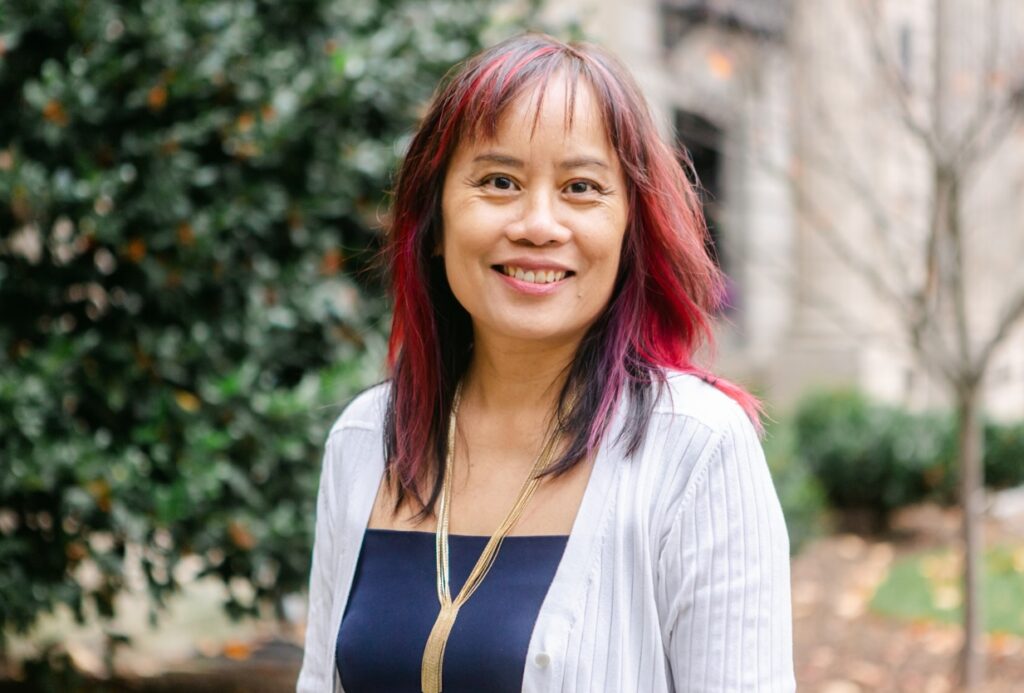
Panicha McGuire highlights the importance of unmasking and reclaiming joy as a Thai, Chinese, and Vietnamese neurodivergent individual: “In many Asian cultures, there is immense pressure to conform in order to meet familial and societal expectations without question. Shame plays a significant role in reinforcing this, making it difficult for neurodivergent individuals to openly express their needs or even recognize their differences as valid. I often felt like I had to break boundaries just to assert my individuality — whether it was through colored hair, tattoos, or other forms of self-expression. These weren’t just acts of rebellion; they were ways to honor my uniqueness in a world that constantly demanded I fit into a mold.”
For Linda Yoon, unlearning neurotypical expectations was a process: “For much of my life, I tried to force myself into neurotypical expectations, believing that if I just worked harder, I could function the way I was ‘supposed’ to. But I’ve learned that acceptance and self-compassion are far more powerful than constantly trying to mold myself into something I’m not.”
For Angel Wang, neurodiversity is about challenging traditional structures that define success: “It’s not about fixing flaws; it’s about reshaping societal norms to celebrate different cognitive styles. We need to nurture environments where neurodivergent individuals can thrive rather than conform.”
See also: Asian parenting and beauty ideals: The road to self-acceptance
How Asian Americans neurodivergent leaders celebrate and embrace neurodiversity
Each of these six individuals has found unique ways to embrace and celebrate neurodiversity in their own lives:
- Panicha McGuire (Thai, Chinese, Vietnamese American): “I celebrate neurodiversity by unmasking, finding joy without shame, and using my lived experience to disrupt misconceptions about autism and ADHD.”
- Elizabeth Sweet (Korean American Adoptee): “I reject stereotypes and embrace my neurochemistry while finding joy in affirming community spaces.”
- Chris Wang (Chinese Canadian): “I celebrate by learning from others, asking questions out of curiosity, and immersing myself in diverse perspectives.”
- Hoang Mai Pham (Vietnamese American): “To me, neurodiversity stretches our understanding of the human experience. I celebrate by reveling in the ways neurodivergent individuals process the world differently.”
- Linda Yoon (Korean American): “I celebrate neurodiversity by creating affirming spaces, using ADHD-friendly strategies, and advocating for mental health in Asian American and BIPOC communities.”
- Angel Wang (Chinese American): “I embrace neurodiversity by reframing ‘flaws’ as unique perspectives and valuing cognitive diversity as an asset to society.”
The importance of decolonizing mental health and building neurodiversity-affirming spaces
Historically, mental healthcare has been shaped by Western frameworks that often fail to acknowledge the lived experiences of marginalized communities. But AANHPI mental health leaders are dismantling these structures to create more affirming care models. See the work these organizations and initiatives supporting AANHPI neurodivergent communities:
Living Lotus Therapy
Founder: Panicha McGuire, LMFT, RPT — A neurodiversity-affirming therapist specializing in Autism and ADHD.
Living Lotus Therapy is dedicated to decolonizing therapy and fostering neurodiversity-affirming spaces for neurodivergent individuals of color.
Latest Workshop Series: Beyond the DSM: Neurodiversity-Affirming Approaches to ADHD and Autism:
This interactive workshop explores ADHD and Autism through a neurodiversity-affirming lens. Participants will gain insights into the cultural, social, and historical factors that impact diagnosis and care. Learn practical, inclusive strategies that validate strengths, promote self-advocacy, and dismantle oppressive frameworks, fostering more equitable mental health practices. The series will be ongoing. If you can’t make it live, these workshop series will be recorded.
Upcoming pay-what-you-can basis courses, including FREE for community members! (Clinicians: it’s $45 for 2 CEUs)
Neurodiversity-Affirming Virtual Workshops:
Neurodiversity-Affirming Approaches to ADHD
Friday, April 11, 2025 | 9:00–11:00 AM Pacific
Neurodiversity-Affirming Approaches to Autism
Wednesday, April 16, 2025 | 9:00–11:00 AM Pacific
Pervasive Drive for Autonomy (PDA) Across the Lifespan
Friday, May 9, 2025 | 9:00–11:00 AM Pacific
Neurodiversity-Affirming Approaches to OCD
Friday, May 23, 2025 | 9:00–11:00 AM Pacific
Earn 2 CEUs per course (CAMFT approved for LMFTs, LCSWs, LPCCs, and LEPs).
Open to all community members (professionals, neurodivergent individuals, parents, educators) everyone!
Bring your neurospicy pals who could benefit professionally or personally!
Subscribe and contact via the Living Lotus Therapy contact page for more information and register for the latest workshop series here!
NAAPIMHA (National Asian American Pacific Islander Mental Health Association)
A nonprofit organization dedicated to redefining mental health and well-being for AANHPI individuals and communities through training, programs, policy, and advocacy.
Neurodivergence Special Interest Group:
- NAAPIMHA has launched a community program for self-identified neurodivergent AANHPIs.
- Join NAAPIEN or connect with Elizabeth Sweet for more details.
Shimmer

Co-Founder: Chris Wang — The leading ADHD coaching platform for teens and adults
Shimmer offers:
- Identity-specific ADHD coaching events (Asian, Black, Latinx, LGBTQIA+, etc.) — Subscribe to their free events calendar!
- Experienced Asian ADHD Coaches: Coach Gary, Coach Ying, and Coach Farah
- ADHD Coaching Scholarships Giveaway
IECare (Institute for Exceptional Care)
Founder: Dr. Hoang Mai Pham — Advocating for systemic change in healthcare for individuals with intellectual or developmental disabilities (IDD)
Learn more about IEC:
- Join the IDD Advocate Corps (for self-advocates, healthcare professionals, and community members)
- Volunteer (researchers, disability experts, healthcare professionals) — IECare Contact Page
Yellow Chair Collective
Founded by Linda Yoon, LCSW, and led by Soo Jin Lee, LCSW
Yellow Chair Collective is a mental health counseling, education, and consulting group dedicated to culturally attuned therapy for Asian American and multicultural communities.
What they offer:
- Neurodivergent-Affirming Therapy (ADHD, Autism, Executive Functioning, Emotional Regulation)
- Support Groups & Workshops Asian American ADHD Coaching, Sensitive Feelers and Empath Group, and Being Neurodivergent in a Neurotypical World
- Explore their blog: Yellow Chair Collective Blog
Entwine Community
Co-Founders: Linda Yoon & Soo Jin Lee
Entwine Community is the nonprofit sister organization to Yellow Chair Collective. It focuses on:
- Training future generations of therapists
- Providing community-based therapy and case management
- Expanding accessibility to mental health resources
Anise Health

Co-Founders: Alice Zhang & Nisha Desai and led by Angel Wang
Anise Health is the first digital mental health platform building the gold standard of culturally responsive care for the Asian community.
How they support neurodivergent individuals:
- Clinician Training — Providers are trained in culturally responsive care, reducing misdiagnoses
Educational Resources:
- Read their in-depth article on neurodiversity in the Asian community here
Community Events & Workshops:
- Clinician-led workshops on empowering neurodivergent individuals
- 1-on-1 Therapy Services — Work with trained clinicians who specialize in neurodiversity
How to Connect:
- Free Trial Consultations: Fill out the Anise Health intake form
- Partner with Anise Health
See also: Anise Health fills a gap in the mental health space for the Asian diaspora
Creating an inclusive future for AANHPI neurodivergent communities
Through education, advocacy, and culturally and neurodiversity-affirming spaces, these AANHPI leaders and organizations are paving the way for a more inclusive and neurodiversity-affirming future.
By taking up space, sharing our truths, and advocating for systemic change, we help shape a future where neurodivergence is celebrated, not stigmatized. You can get involved by attending workshops, joining advocacy groups, and seeking culturally competent and neurodiversity-affirming therapy.
By decolonizing mental health and celebrating neurodiversity, we create spaces where all minds are valued.