Every February, Black History Month invites us to reflect not only on Black excellence and resistance but also on the shared histories, tensions, and solidarities between Black and Asian communities.
Through the stories from our Black, Asian, and Blasian communities, we explored the layered relationships between us: from military history to media representation, from Blasian identity to professional excellence.
Here are some highlights of revisiting those stories while spotlighting what’s unfolding in 2026.
History: Black and Filipino from the past to present
In our feature, Black and Filipinx Solidarity: Lessons from the Buffalo Soldiers in the Philippines, Sandra Nomoto examines the experiences of all-Black regiments during the Philippine-American War of 1899-1902 for a historical example of effective allyship.
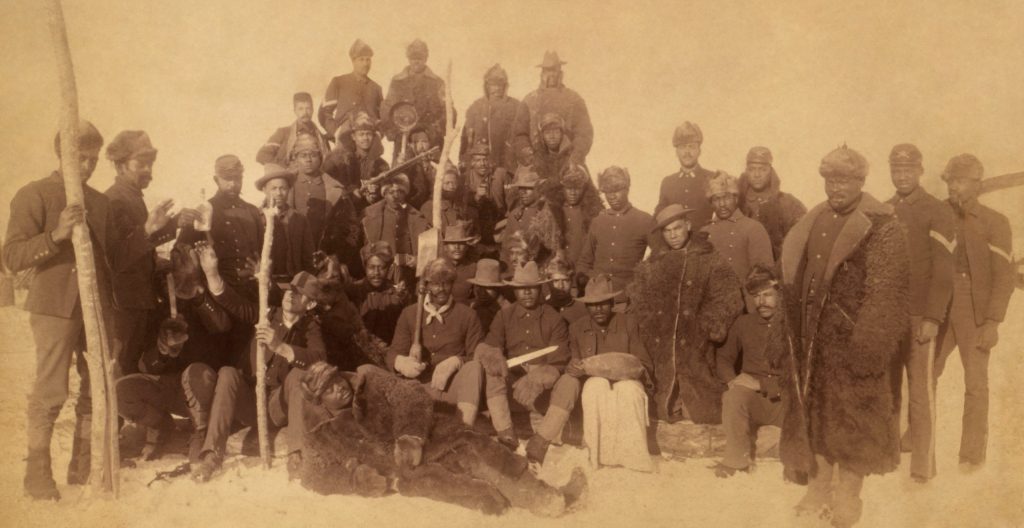
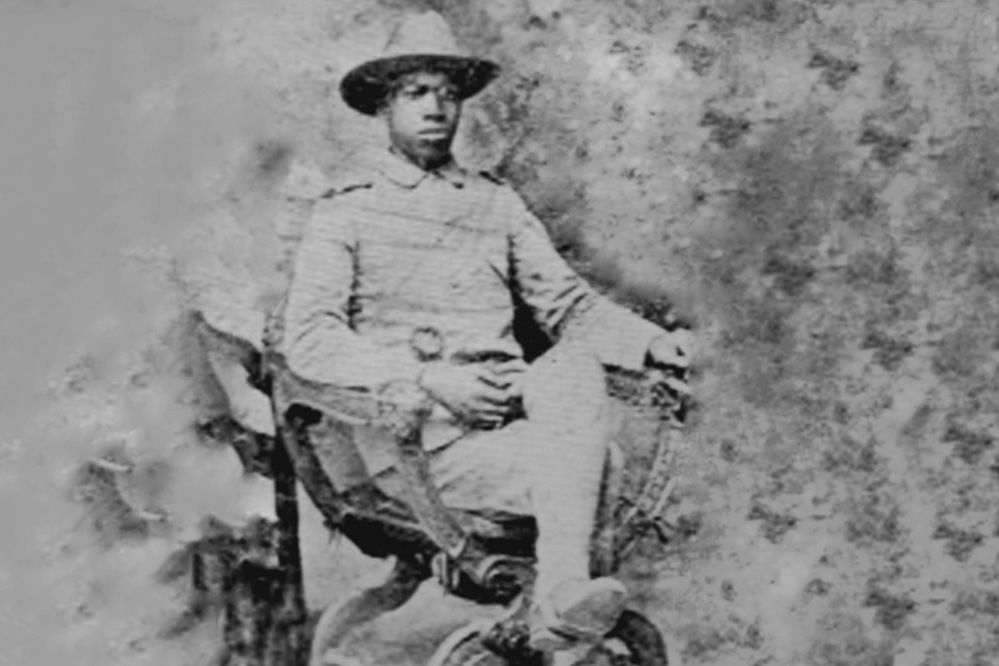
The article highlights how some members of the all-Black regiments, known as the Buffalo Soldiers, questioned U.S. imperialism and expressed solidarity with Filipinos resisting colonization. Their actions complicate a narrative that often flattens both communities’ roles in history.
Similarly, we celebrate the lived experiences of six Blasian individuals navigating both Black and Asian identities:
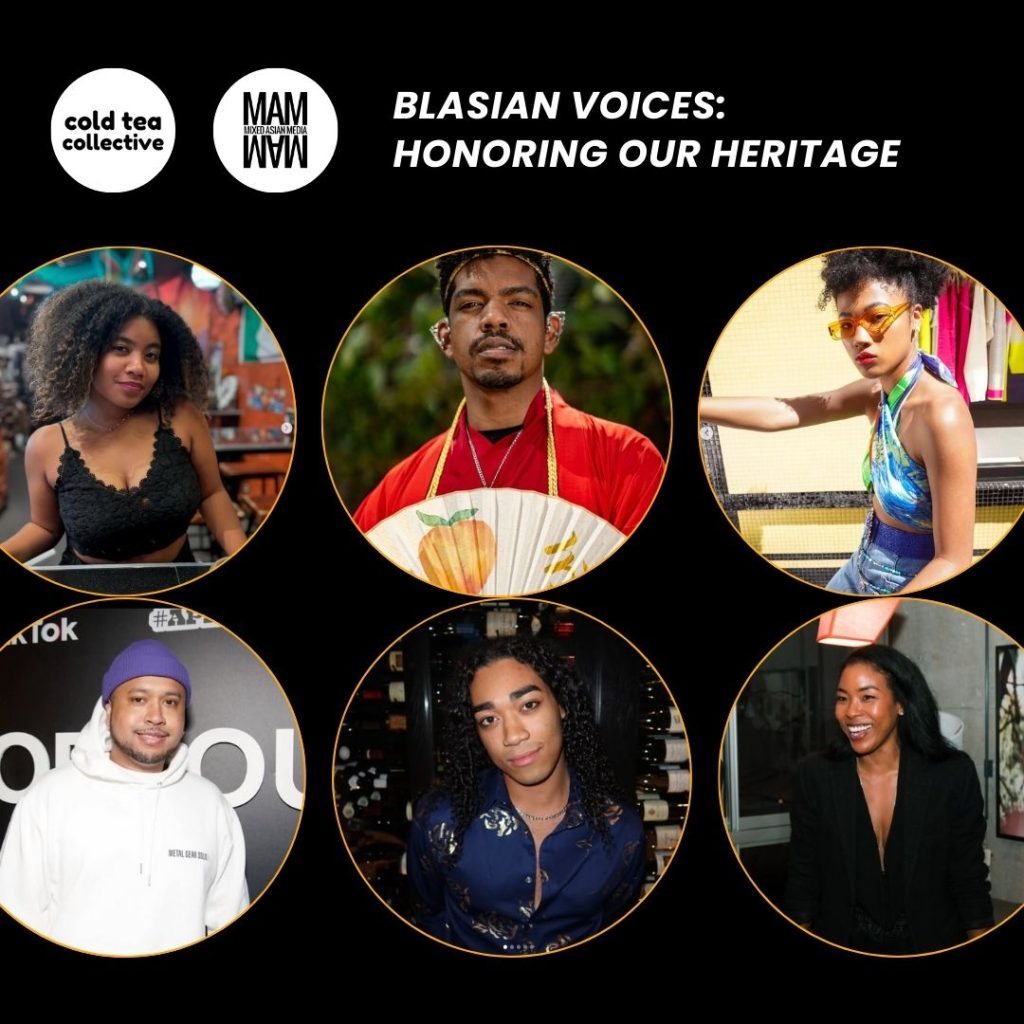
As Rohan Zhou-Lee shares, “We are so beautiful as a people, and it’s time the world recognizes us.”
Blasian identity and voices
Blasian identity is not new; it is deeply rooted in migration, military history, global exchange, and family.
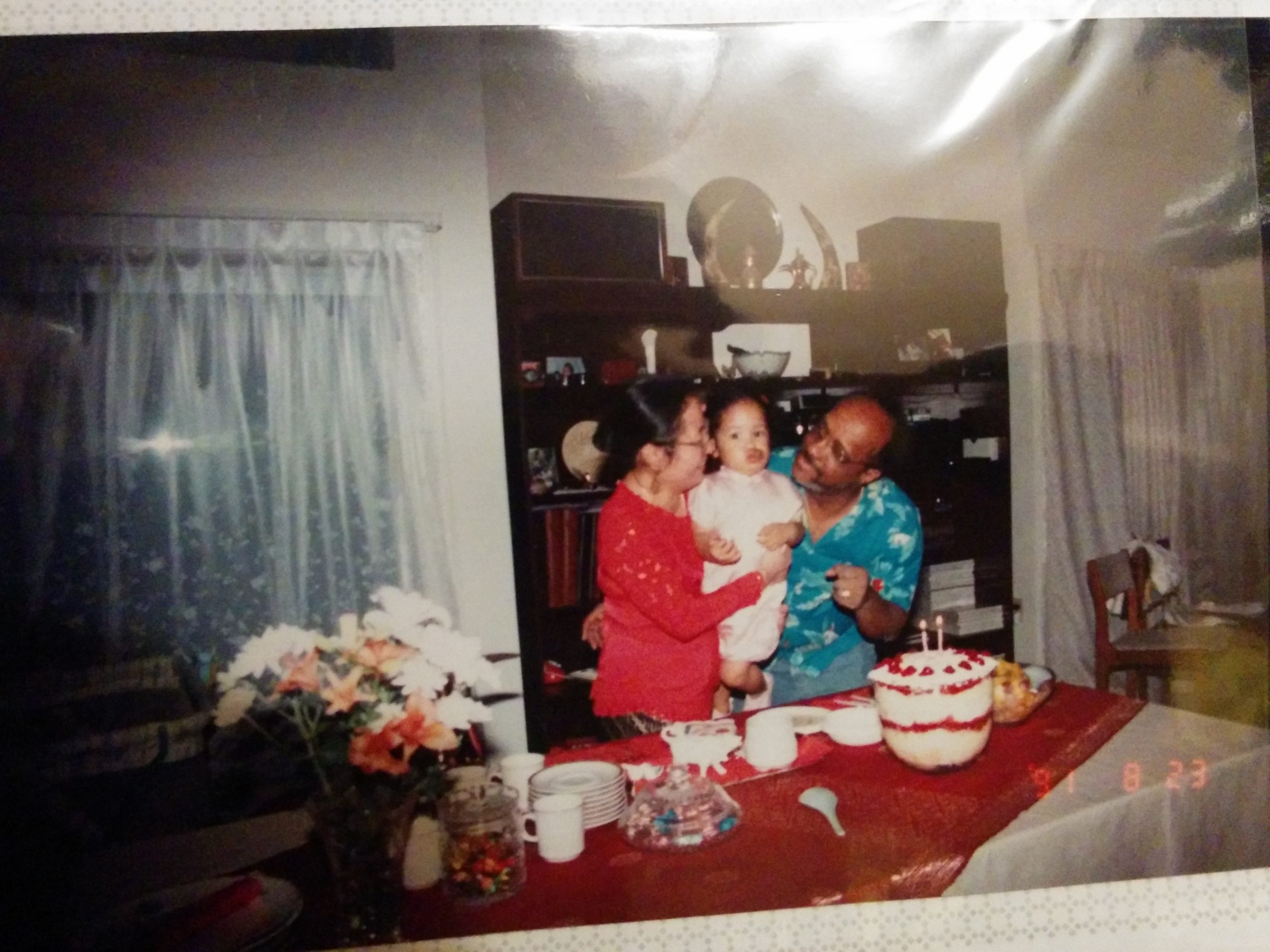
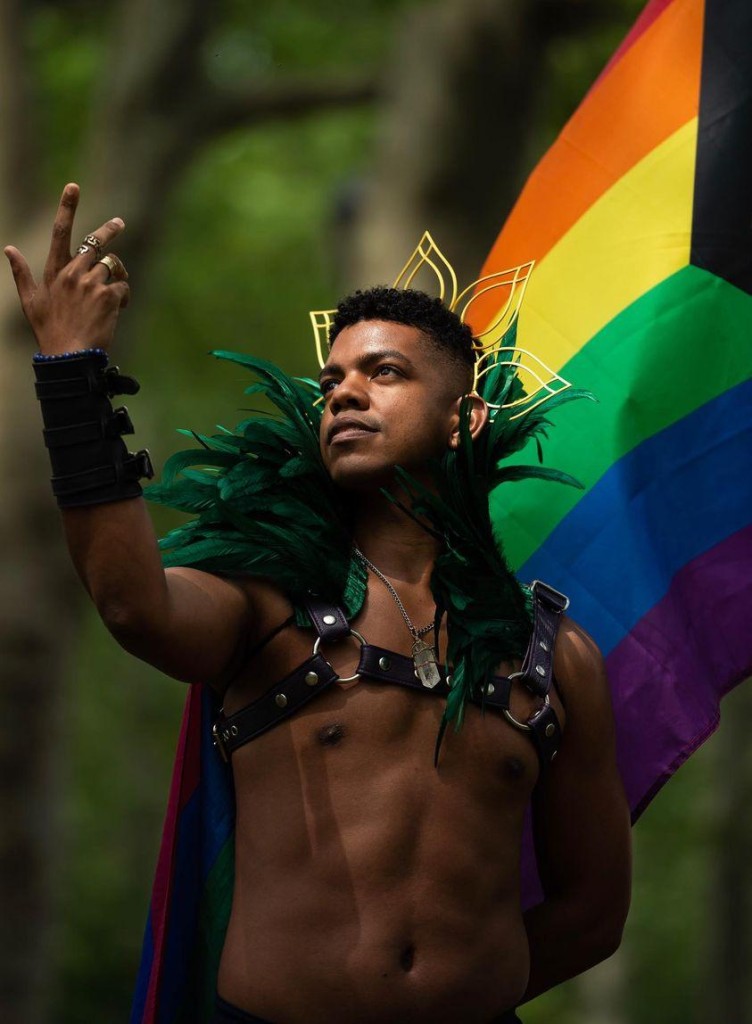
Actor, content creator, and Act to Change’s 2023 “Changemaker of the Year,” Ryan Alexander Holmes challenges the framing of his identity in being ‘half’ and celebrates being “100% Chinese and 100% African American”.
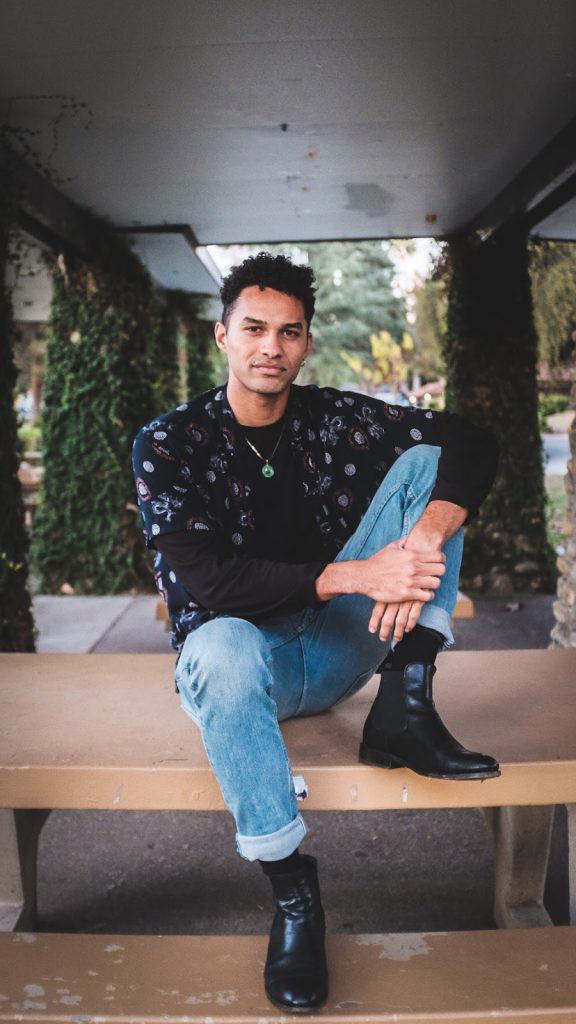
Photo: Christopher Cho
In 2026, Blasian creators, scholars, and organizers continue to challenge erasure in media and community spaces.
Across outlets this year, conversations have resurfaced about cross-community organizing in the wake of renewed discussions around anti-Asian violence, anti-Blackness, and coalition-building in cities like Los Angeles and Oakland.
Grassroots groups are hosting joint Black–Asian teach-ins and economic solidarity markets, proving that shared struggle can become shared strategy.
Cultural pride: Joy, memory, and representation
Cultural solidarity is not only political, but it’s also personal. Representation matters, not just individually, but relationally.
In this list of films celebrating Asian–Black romance on screen, we explored how intimacy itself becomes radical when two communities historically siloed by media are allowed to love, connect, and exist fully onscreen.
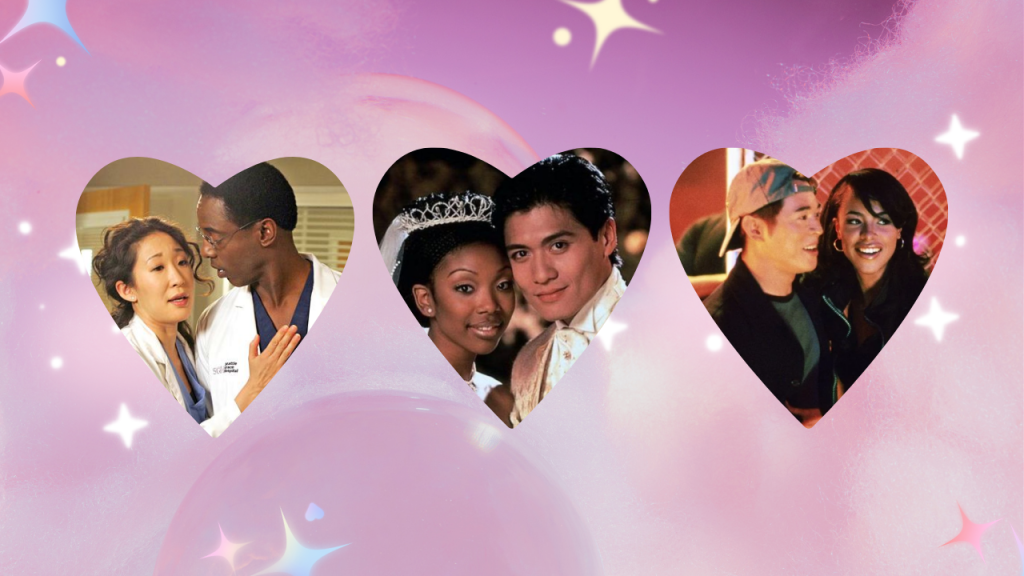
From heartfelt romances to thrilling action, this list of TV shows and movies highlights Black and Asian love stories that break barriers and warm hearts.
See also: Celebrating the Year of the Dragon at 88rising’s inaugural Moonrise Gala
Professional excellence: Breaking barriers across industries
Professional excellence has long been a bridge between communities, particularly in sports, where Black–Asian identities are increasingly visible on global stages.
In the NFL, Zach Charbonnet of the Seattle Seahawks and recent Superbowl LX champion, represents another layer of Afro-Asian visibility in professional sports. Charbonnet has African-American roots of Cambodian-Chinese descent through his family, a heritage he has publicly acknowledged and taken pride in, highlighted in team features and social media posts celebrating his background. As a rising running back in the league, his presence expands public understanding of what Asian and multiracial identity looks like in American football, an arena often perceived through a narrow racial lens.
Japanese NBA player Rui Hachimura and Naomi Osaka are leading examples of celebrating their heritage as well as their success.
Evan-Thomas May looks at NBA player Rui Hachimura and his challenges as a mixed-race athlete and explores the question “What does it mean to be Japanese?” in this story about Hachimura.
Naomi Osaka has reshaped what it means to be a global athlete. As a Japanese–Haitian champion, Osaka has spoken openly about anti-Black racism in Japan, anti-Asian sentiment in the U.S., and the mental health toll of navigating both. Her Black and Asian identities are not separate lanes; they are intertwined, informing her activism, fashion, philanthropy, and refusal to be boxed in.
Athletes like Osaka, Hachimura, and Charbonnet disrupt the idea that Asian identity is monolithic or disconnected from Blackness. They embody a living bridge between communities.
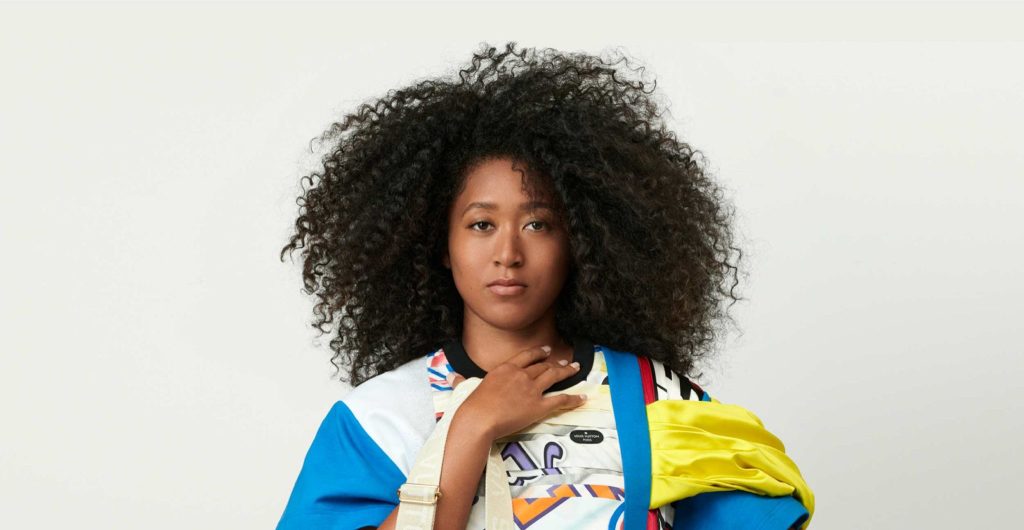
Across such as sports, entertainment, tech and beyond, Black and Asian creatives are collaborating more intentionally. From co-founded startups to cross-cultural film projects, 2026 is seeing a rise in partnerships that reject the myth of competition and instead invest in collective growth.
Identity: Learning from each other
Jasmine Lynch’s powerful three-part series: Identity through the Eyes of Black Asian, peels back the layers of her mixed identity as someone who is culturally Asian while presenting as Black.
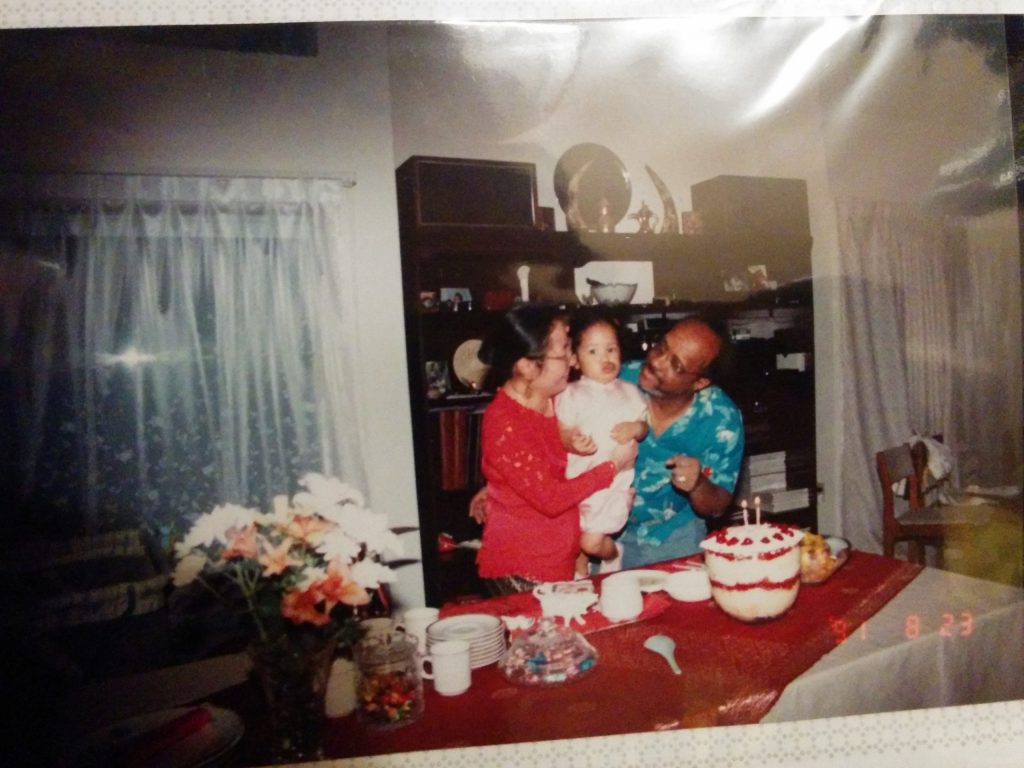
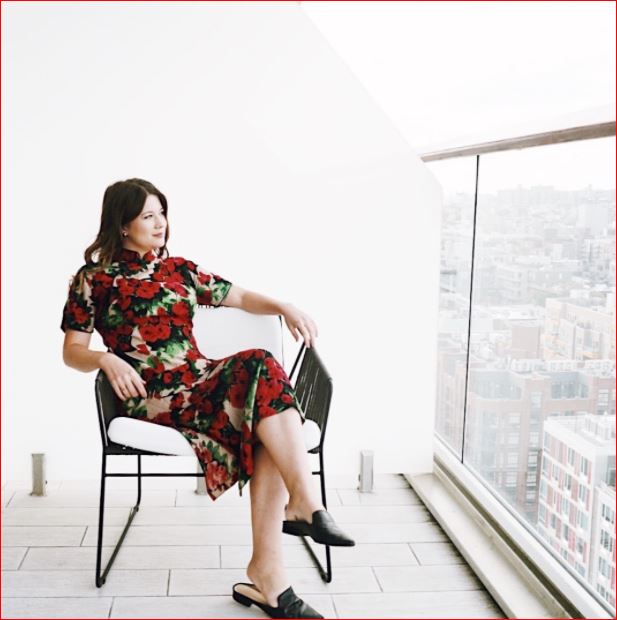
Kendal Feider shared a personal story in 2020 of how the Black community’s activism for racial justice and pride in Black heritage inspired a white-passing Asian to identify herself with her Asian roots.
Black History Month is not about flattening differences. It’s about honoring history while doing the work now.
In 2026, that work looks like inter-community panels on anti-Blackness in Asian spaces, coalition-building around housing justice and small business support, creative collaborations between Black and Asian storytellers, and Blasian youth reclaiming narratives online and offline.
Moving forward together
The relationship between Black and Asian communities has always been layered, shaped by colonialism, migration, proximity, tension, and love.
Storytelling is a bridge. Black History Month is not just a moment of reflection; it is a call to deepen solidarity, celebrate intersectionality, and build something better together. Because our histories are intertwined, and so is our future.