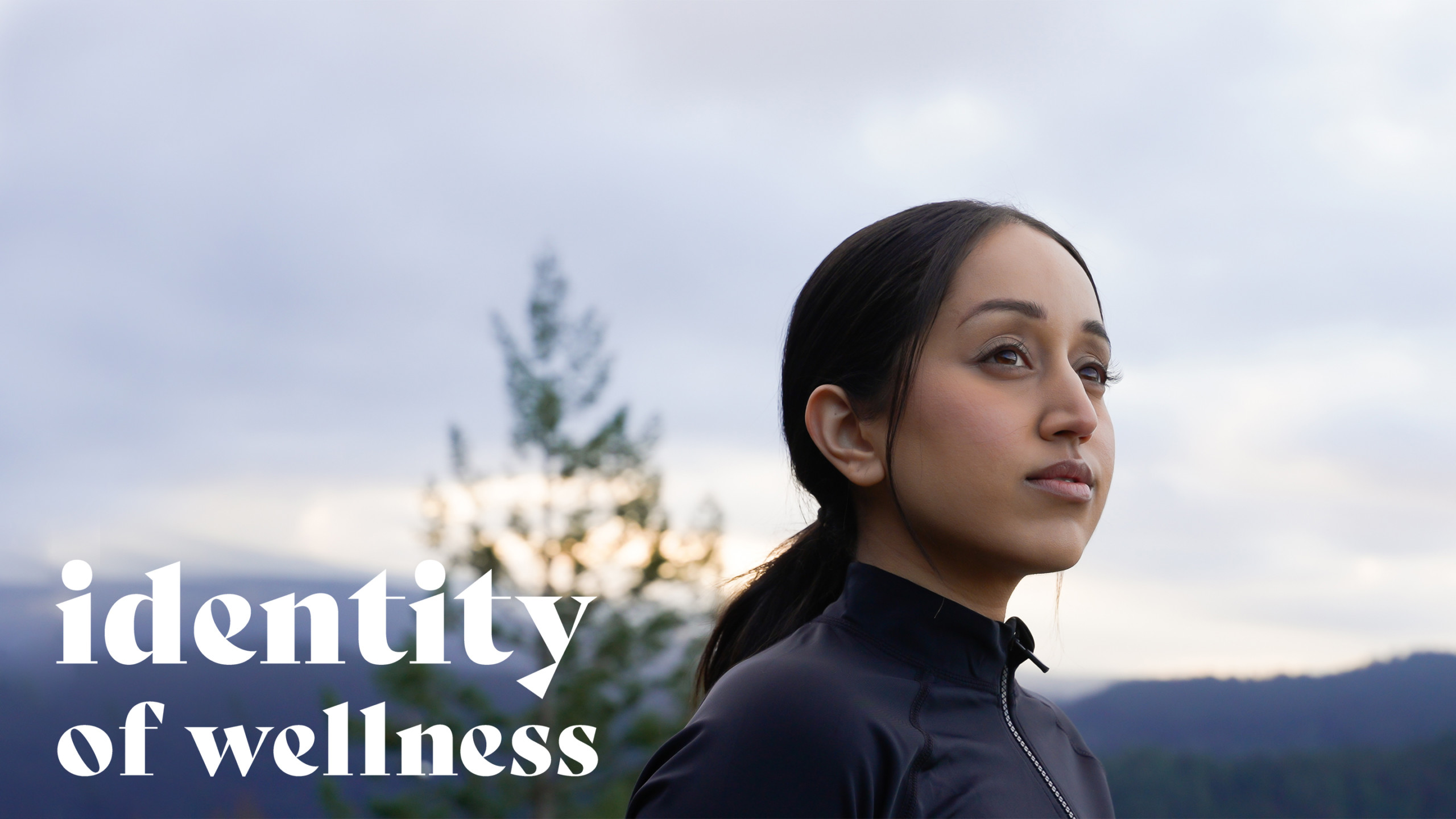
What is white wellness?
Production studio Self Hired and emerging South Asian female documentary filmmaker and director Summan Kandola explores the colonial and capitalist impacts on the wellness industry in a new documentary Identity of Wellness.
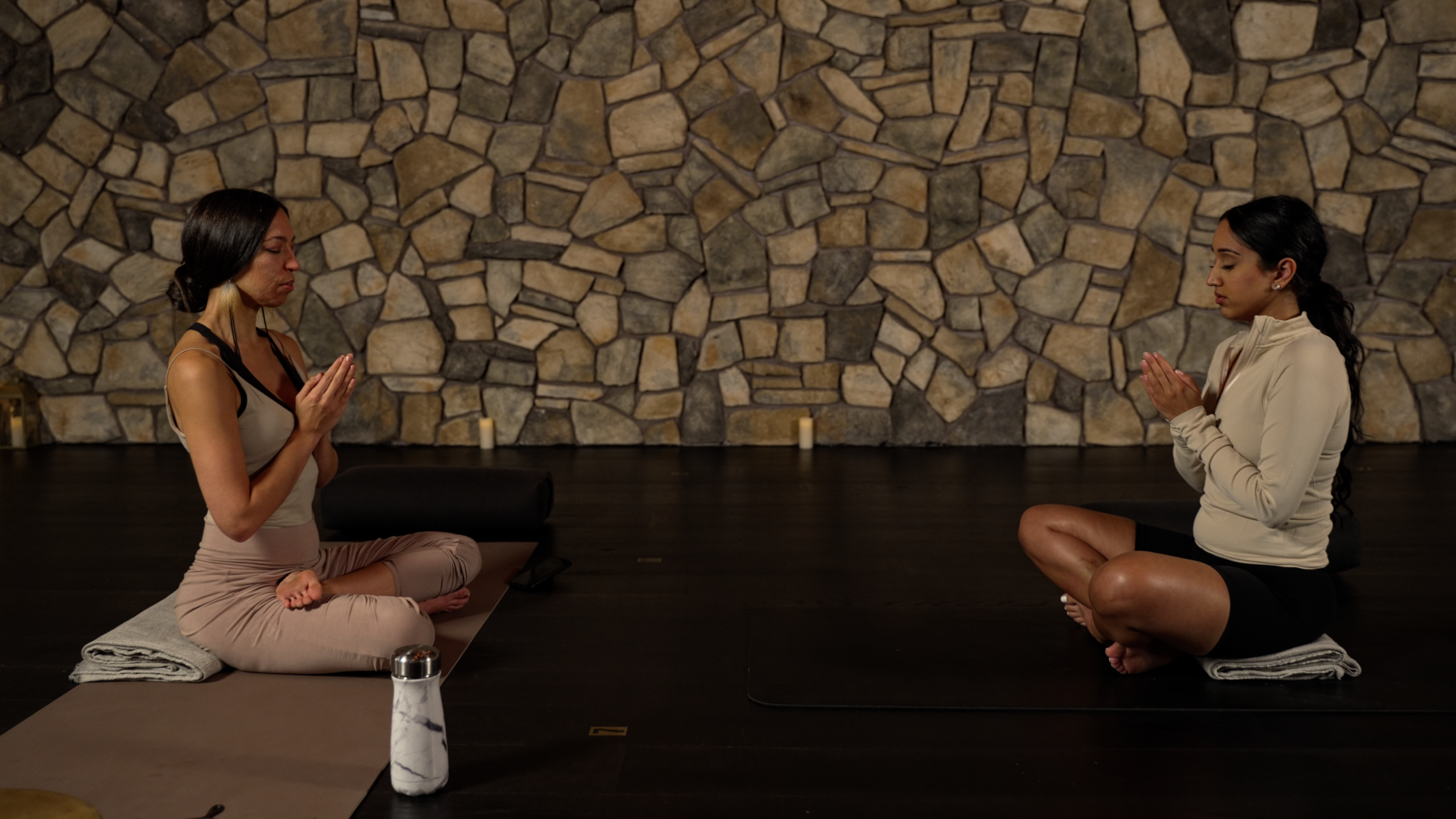
In this documentary, Kandola sits down with industry leaders in yoga, meditation, martial arts, and athletes to better understand why she doesn’t feel welcomed in wellness spaces.
Check out our exclusive interview with Kandola for Cold Tea Collective’s “Watchlist” series, highlighting why Identity of Wellness is meaningful to her, the challenges around BIPOC representation in the wellness industry, and what changes she would like to see take place.
Read more: Cultivating a space for Asian mental health conversations
A journey of self discovery and understanding
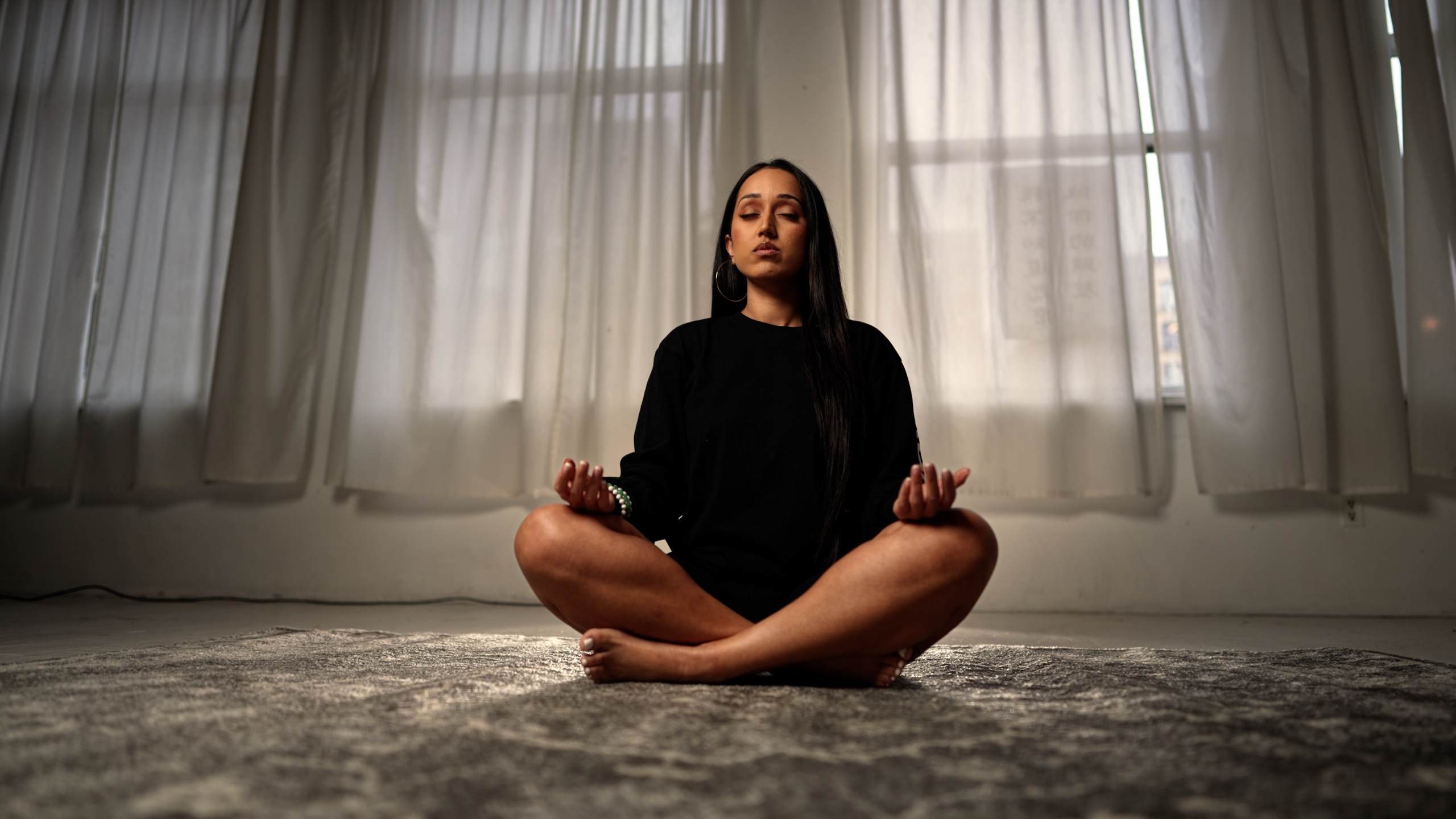
Kandola describes Identity of Wellness as a journey of self discovery and understanding.
She was compelled to tell this story because she was done with feeling othered in wellness spaces — and this documentary unpacks the many layers of social and cultural limitations caused by the industry.
This documentary is meaningful to Kandola because it opened up her eyes to what she’s looking for from the world of wellness. After her experiences of “genuinely sick of being in wellness spaces feeling ‘othered’” she explains how making this documentary allowed her to better understand what the industry is built on — both as a consumer and as a creator in this space.
Read more: Celebrating Asian Canadians who are making it while making a difference
Finding joy in the documentary process
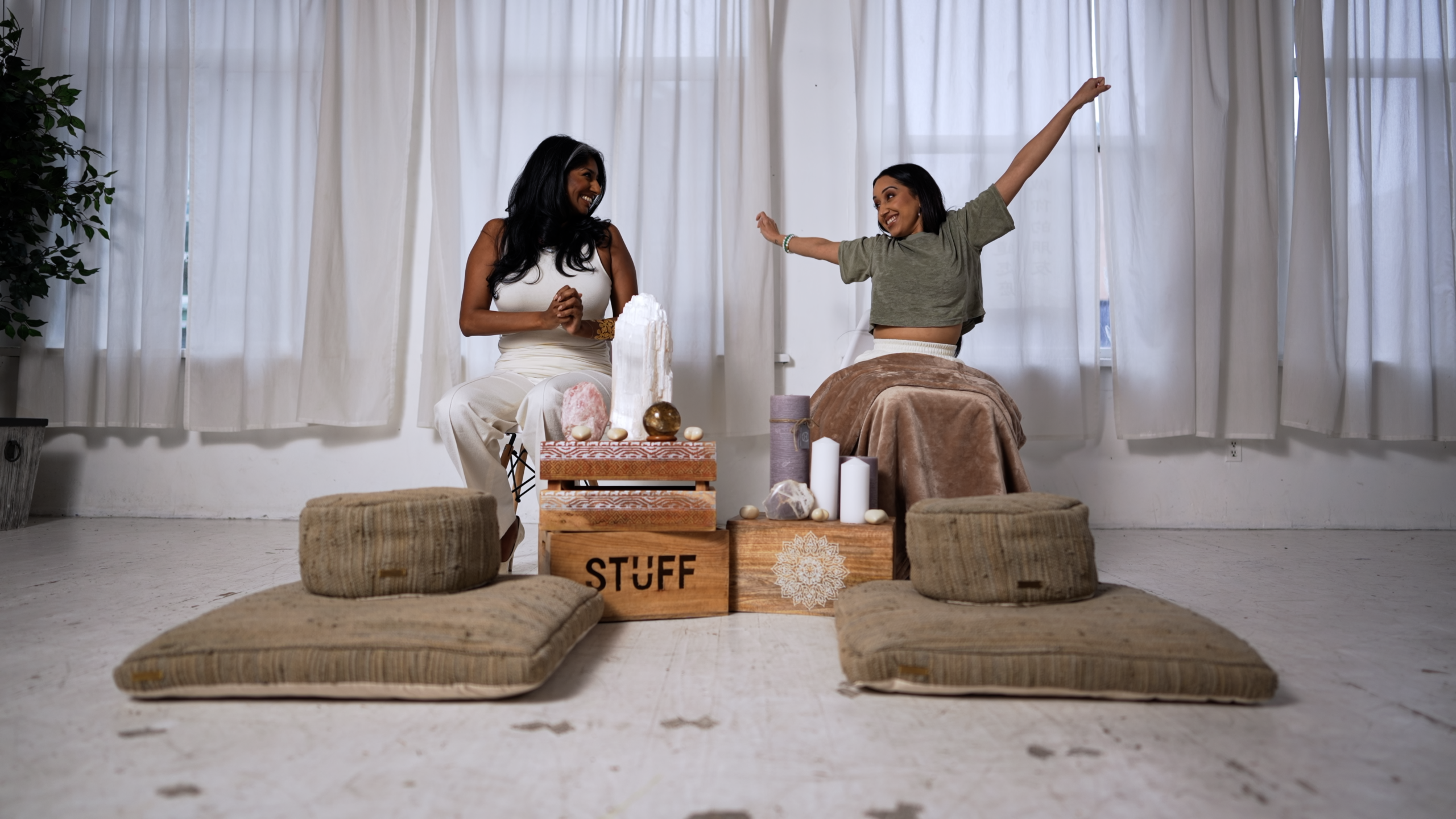
Kandola expressed that the interviews were hands down the best part about working on this documentary project. “Audiences get to see so many diverse characters and types of people,” she said, sharing how she enjoyed sitting with all the interviewees to discuss vulnerable topics.
She even had the opportunity to interview a lifelong friend Jessica, a South Asian yoga teacher, who opened Kandola’s eyes to the history of yoga, which was what had initially brought her to become interested in the topic of wellness.
“This film is meaningful to me because it outlines the journey of uncovering oneself and the social limitations we take on as our own.”
Read more: Shohei Ohtani – a new generation of Asian representation in sports
BIPOC representation in the wellness industry
The biggest personal challenge for Kandola was being bold and communicating her truth.
“I would love to see more BIPOC teachers hold space in the wellness community,” she said, expressing how she’d love to see people take ownership of the type of movement they want.
Intention is important for Kandola, and she wants to see more wellness instructors practice intentionality in their roles to understand the impact and importance they are having on people’s daily lives.
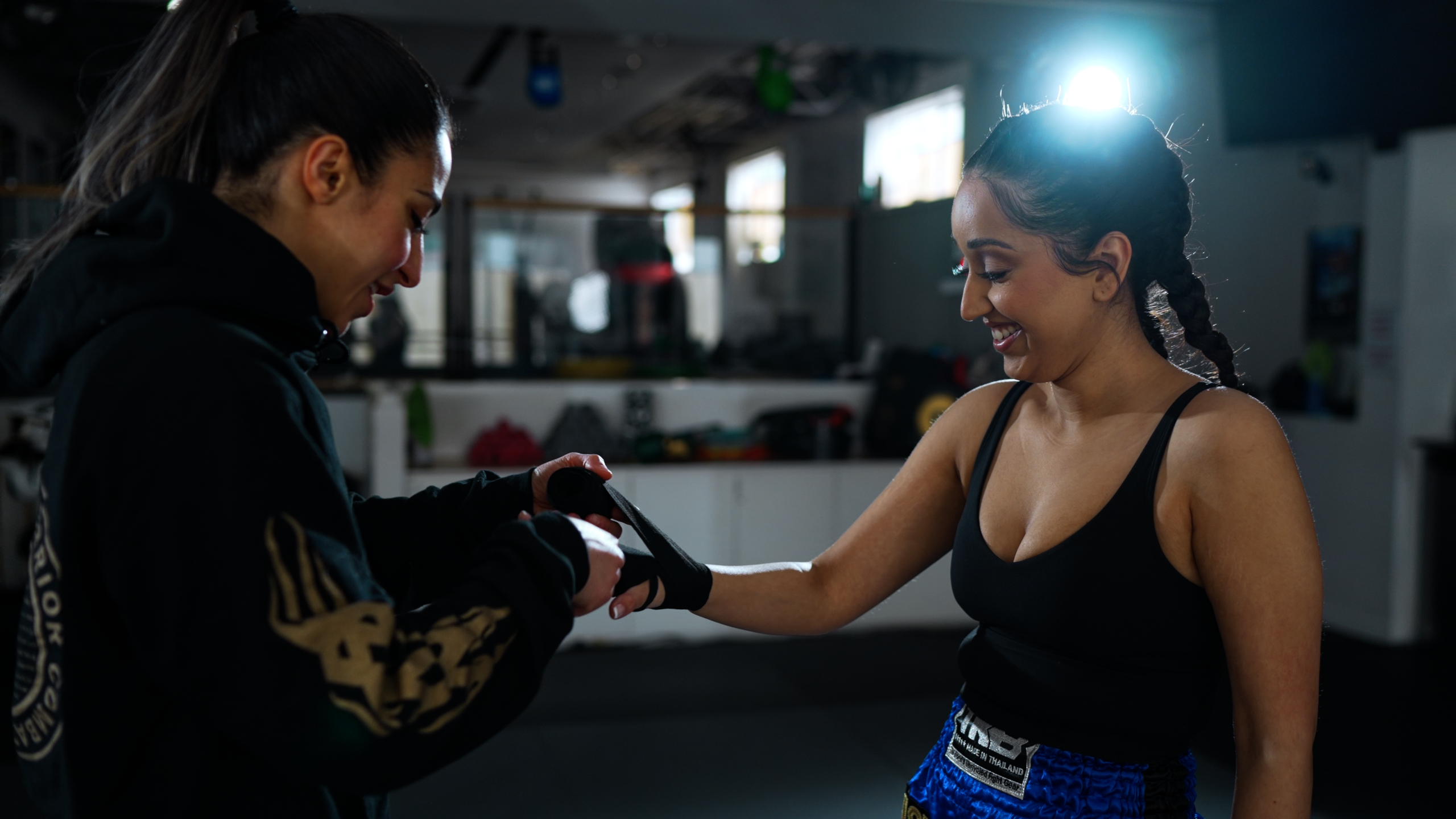
While this documentary centers her personal experiences, Kandola hopes the film sparks healthy conversation and debate on BIPOC representation and cultural appropriation in the wellness space.
With Asian representation more important than ever, Kandola is proud to have a production team of South Asian, Chinese, Taiwanese, and Vietnamese descent contributing to a project that holds space for these important discussions.
See more: Unpacking the Wellness Industry’s Whitewashing Problem
Identity of Wellness is now streaming on CBC Gem.
Photos submitted by studio self hired