Photo by: Sarina Tran-Herman
Thai, Lao, and Cambodian New Year stories of renewal, resilience, and rootedness
As spring returns, so too does one of Southeast Asia’s most beloved and spirited holidays. From April 13–16, Thai, Lao, and Cambodian communities around the world celebrate the new year through Songkran (Thai), Boun Pi Mai (Lao), and Choul Chnam Thmey (Khmer). Timed with the shift from the dry season to the rains, it’s more than a seasonal reset – it’s a time for cleansing, connection, and coming home to oneself.
Through stories of blessing ceremonies, family recipes, traditional music, digital arts, and digital storytelling, four Southeast Asian voices from Thai, Lao, and Cambodian backgrounds share what their New Year celebrations mean to them.
Lao New Year: Water, woven threads, and coming home to self

Photo by: Sarina Tran-Herman
Sarina Tran-Herman (she/her) is a Lao-Vietnamese American based in Columbus, Ohio. She is a clinical therapist and content creator who shares stories about her Lao heritage and upbringing.
Her Lao heritage has always been rooted in family, resilience, and ritual.
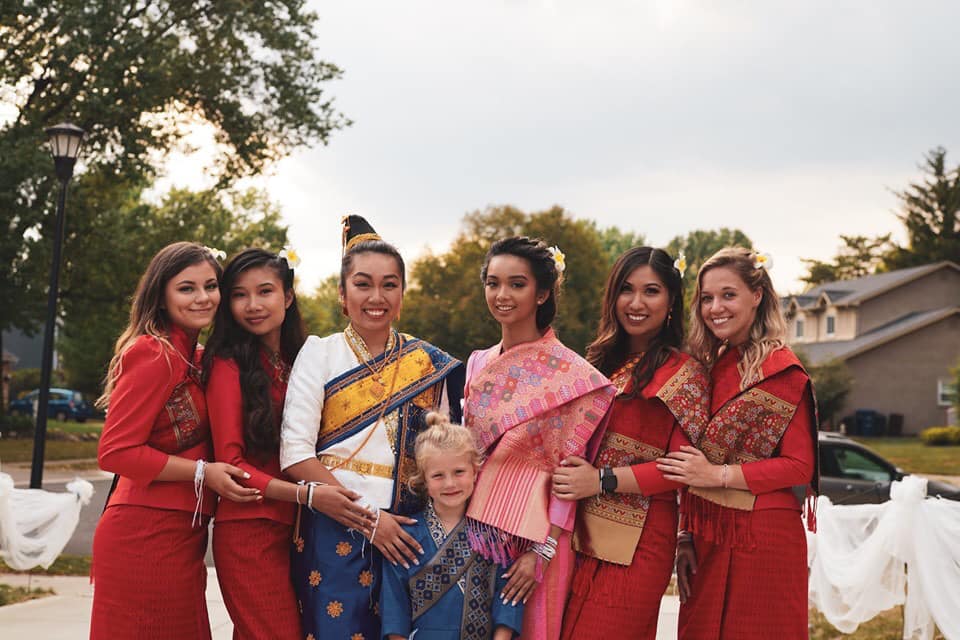
“My family spends the weekend at the temple making boun, or merit. We pour water over Buddha statues and each other to wash away bad luck and welcome the new year. Everyone wears vibrant, handwoven silks and scarves. It’s such a beautiful reminder of where we come from.”

Photo by: Sarina Tran-Herman
One of the most sacred parts of Lao New Year for Sarina is the Baci Ceremony, a gathering of family and friends who tie white cotton strings around each other’s wrists to bless one another with luck, protection, and peace.
“The ceremony reminds us of the importance of unity and intention. It’s more than tradition; it’s about feeling whole, connected, and grounded.”
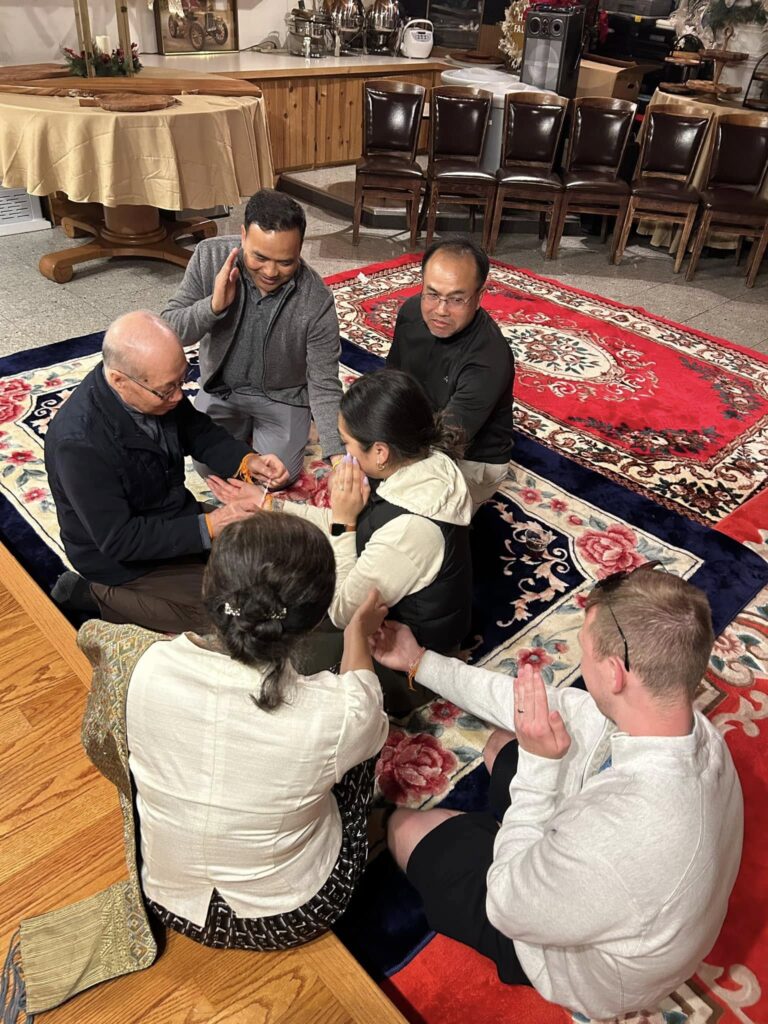
Photo by: Sarina Tran-Herman
Sarina, who is in an interracial marriage, says one of her most cherished memories is sharing these cultural practices with her husband’s family: “It made me feel seen and validated in a way I didn’t expect. I remember my husband learning how to pour water respectfully and tie the strings for blessings. Watching him embrace my traditions made me feel like my culture was being held, not just observed.”
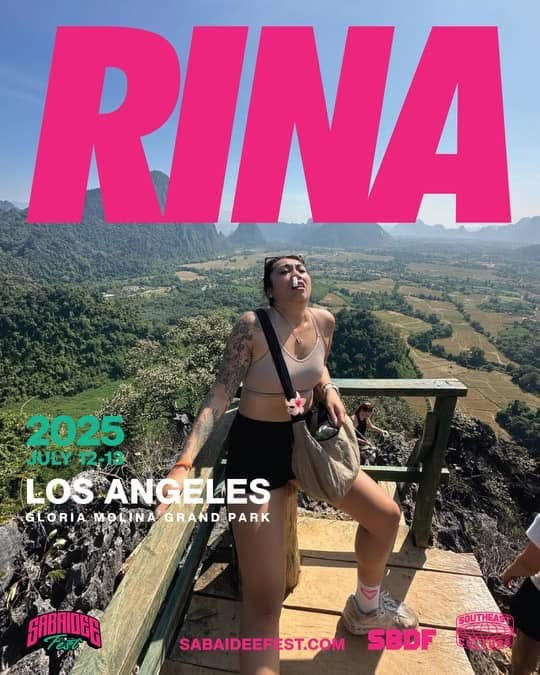
Photo by: Sarina Tran-Herman
Sarina is also active in her community’s celebrations beyond the New Year as an influencer and promoter of the Sabaidee Festival, the largest Southeast Asian Music and Cultural Festival in the United States! “Now, being part of the Sabaidee Fest community, I get to connect with other Southeast Asians across the country who are just as passionate about keeping our culture alive.”
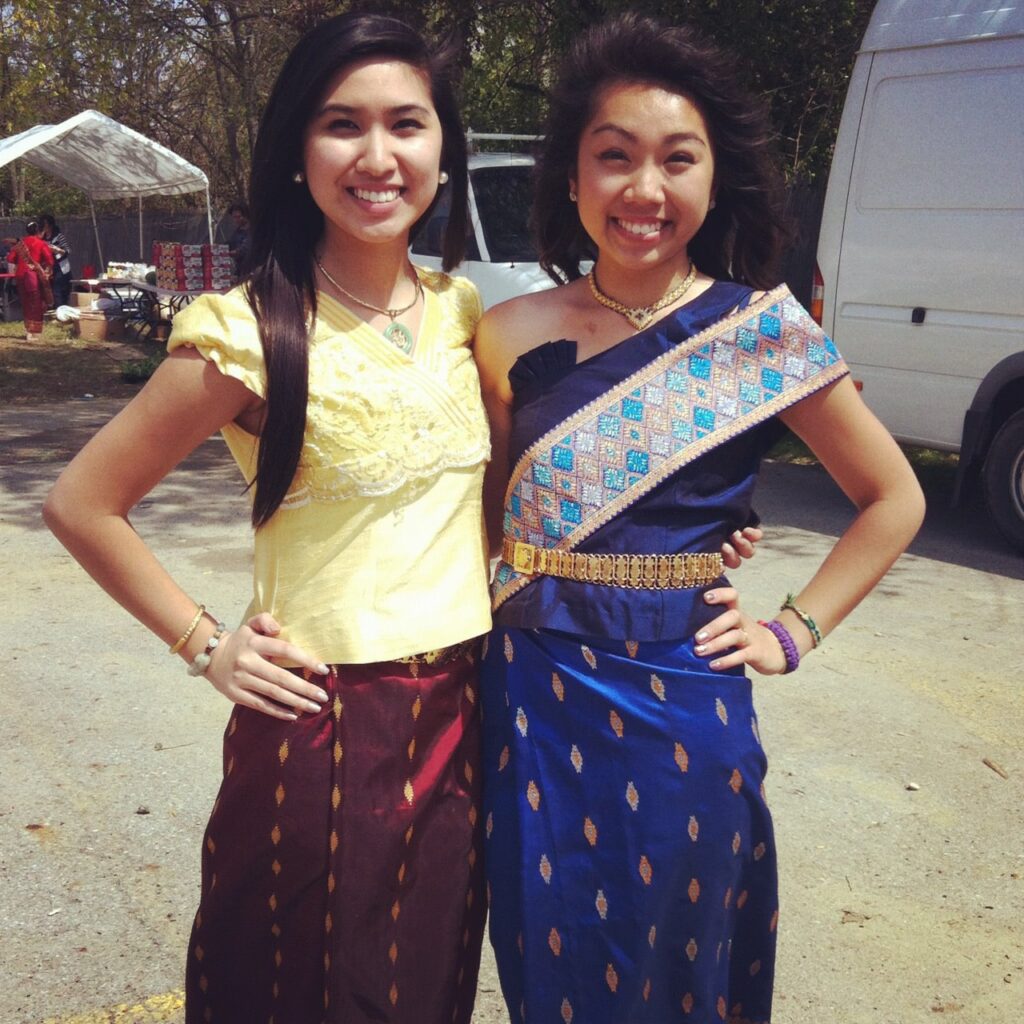
Photo by: Sarina Tran-Herman
What makes her most proud of her culture, though, is the resilience of Lao people across generations. “To carry so much history, language, art, and beauty through adversity, that’s powerful.”
Thai New Year: Art, identity, and finding joy in the diaspora
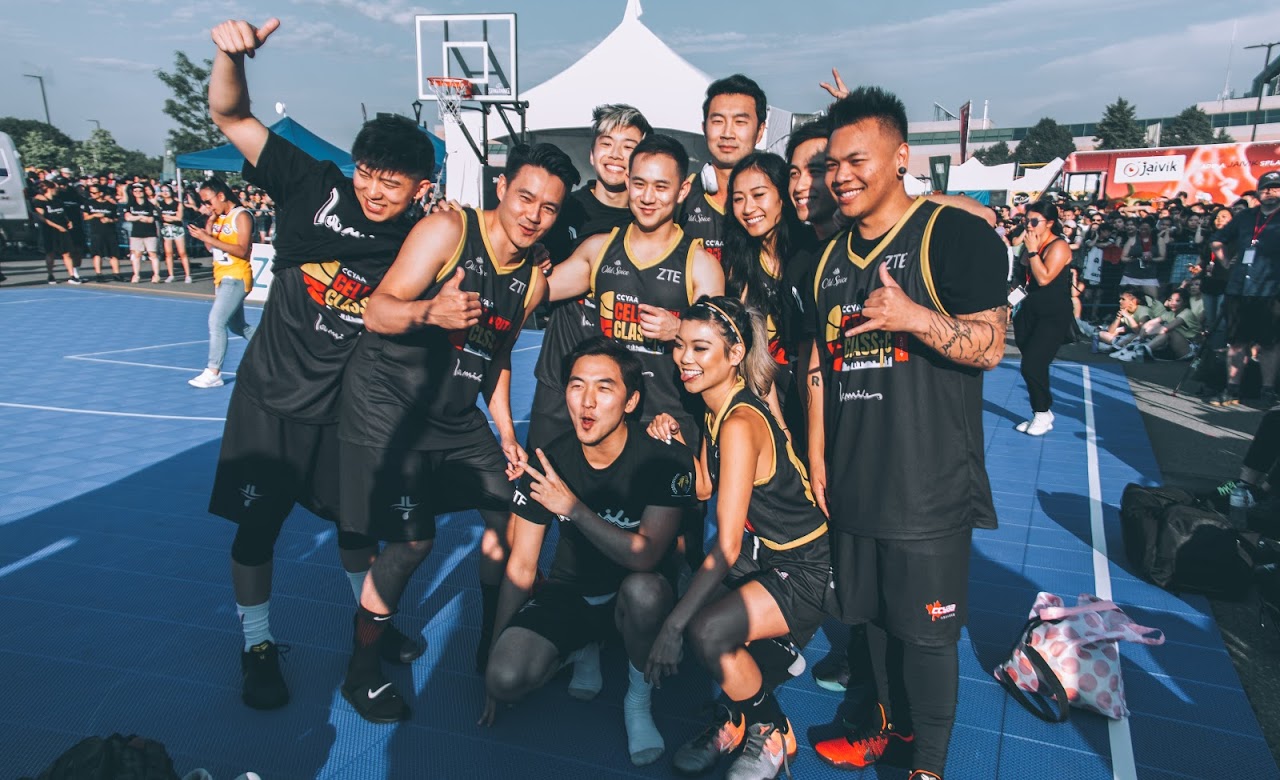
Photo by: Geeranan Chuersanga
Geeranan Chuersanga (she/her) is Thai American based in Los Angeles, California. She is an artist with a medical anthropologist background advocating for Thai and Southeast Asian stories.
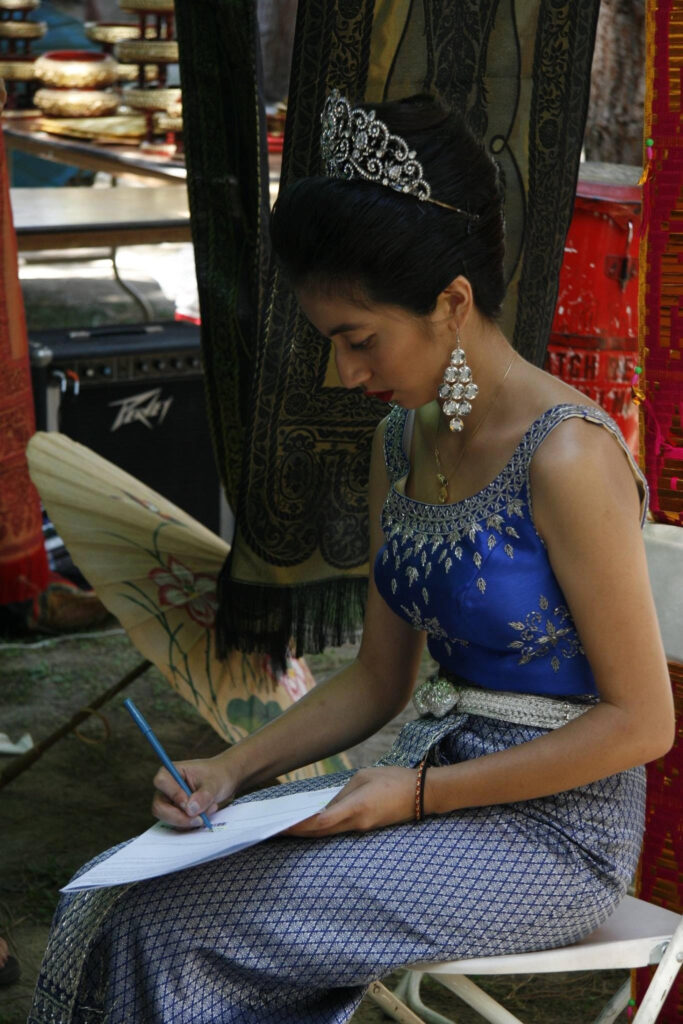
Photo by: Geeranan Chuersanga
Geeranan, who’s nickname is “Cartoon”, grew up in Los Angeles, home to the largest Thai population outside Thailand. Her weekends were spent at Wat Thai, immersed in Thai language, arts, and traditional music.
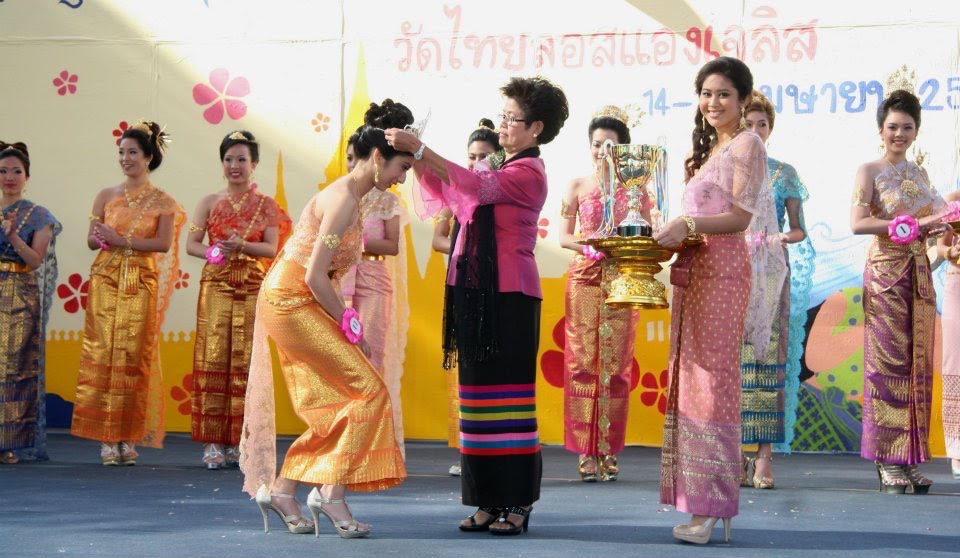
Photo by: Geeranan Chuersanga
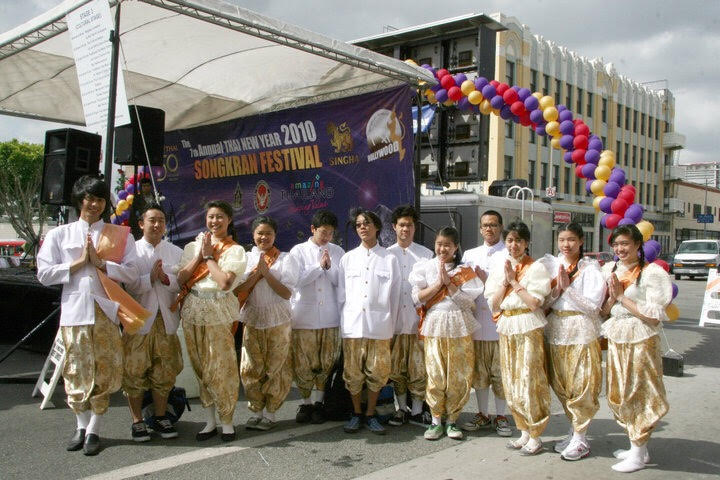
Photo by: Geeranan Chuersanga
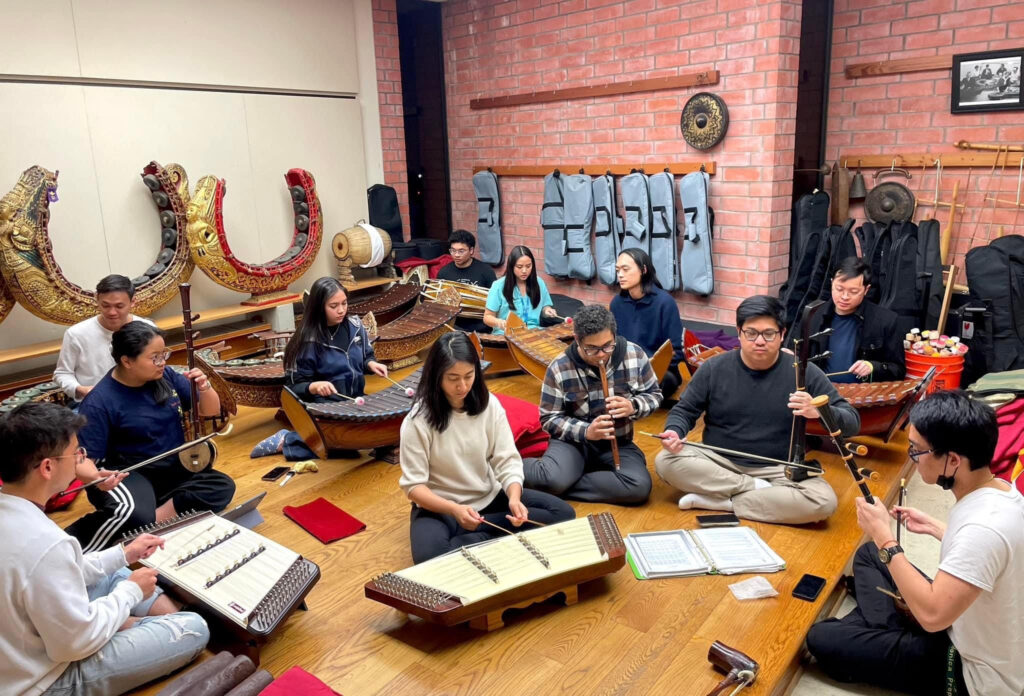
Photo by: Geeranan Chuersanga
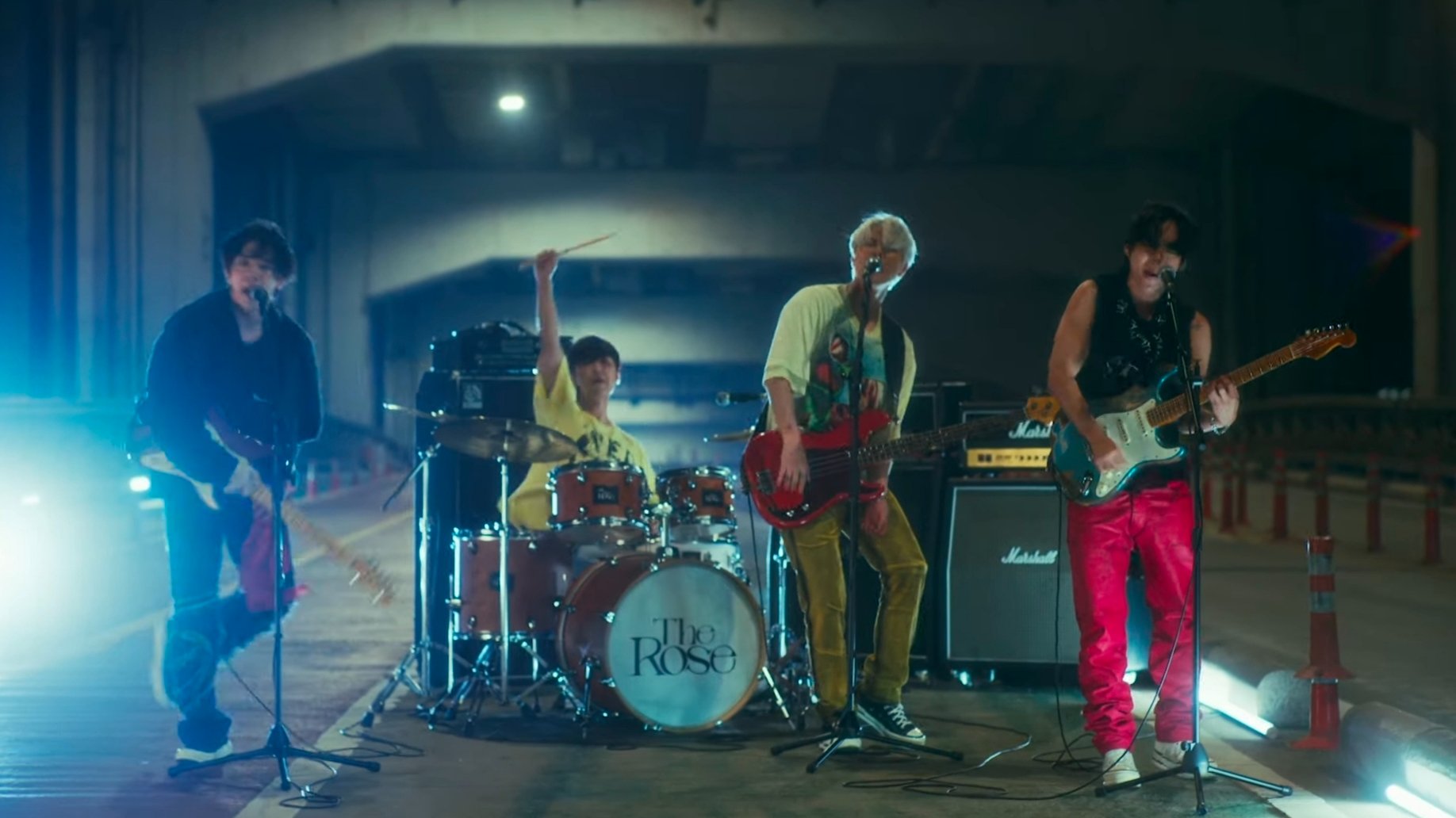
“Songkran was a time when we all came together. I played Thai music at the temple with friends; it wasn’t just performance, it was how we created community.”
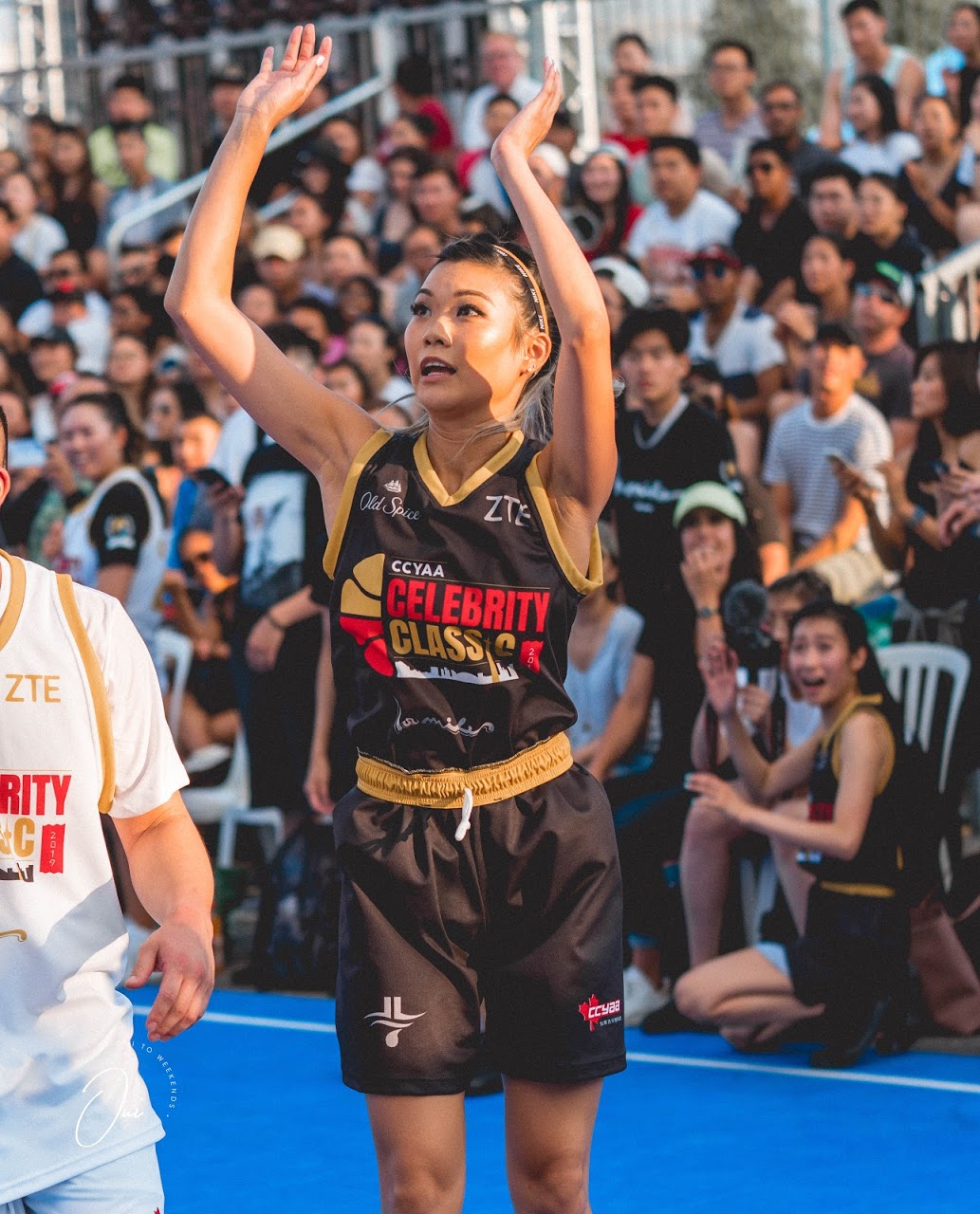
Photo by: Geeranan Chuersanga
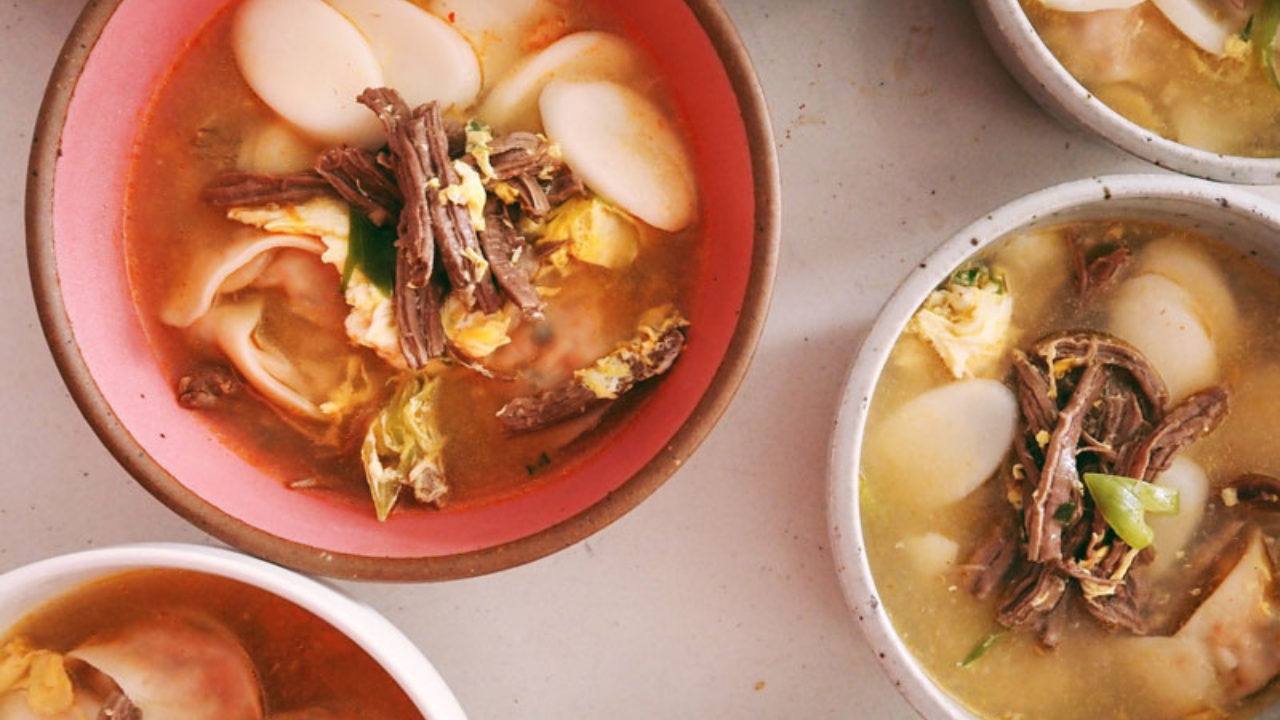
Her favorite Thai New Year tradition is enjoying a warm bowl of jok (Thai rice porridge) at Siam Sunset.
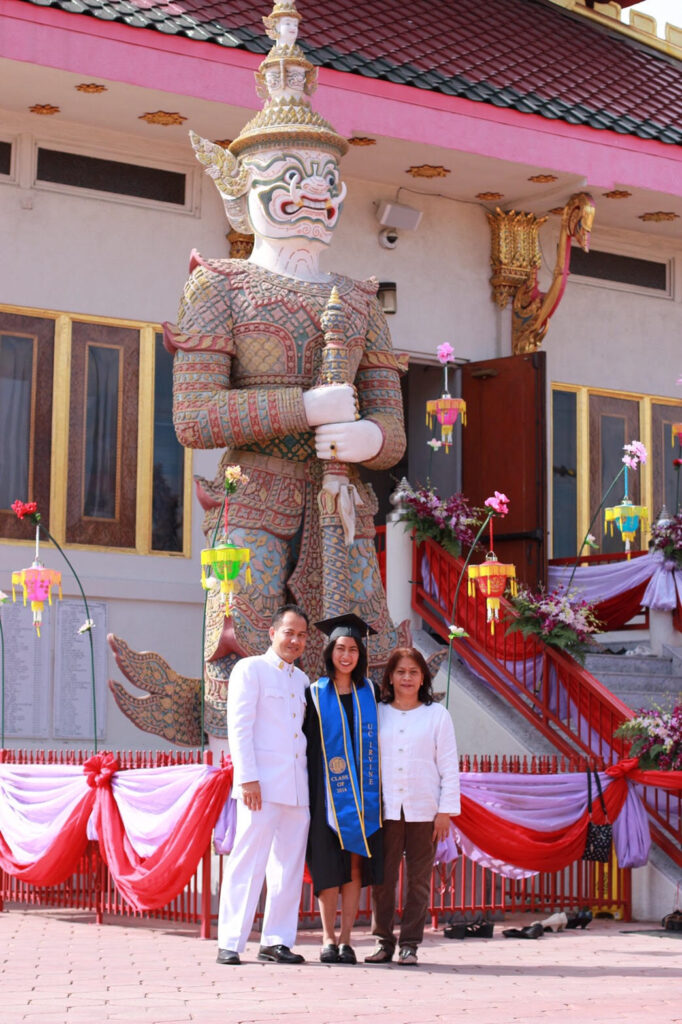
Photo by: Geeranan Chuersanga
“For my parents, it’s a taste of home. For me, it’s how I connect to them, to Thailand, and to the past,” she shares.
Although she once felt hesitant to embrace her Thai identity, Geeranan now proudly celebrates her culture through her Instagram art platform, which she launched to spotlight underrepresented Southeast Asian experiences. “Thai and Southeast Asian stories weren’t always visible in Asian American art. I wanted to create a space where we could see ourselves reflected with nuance, heart, and pride.”
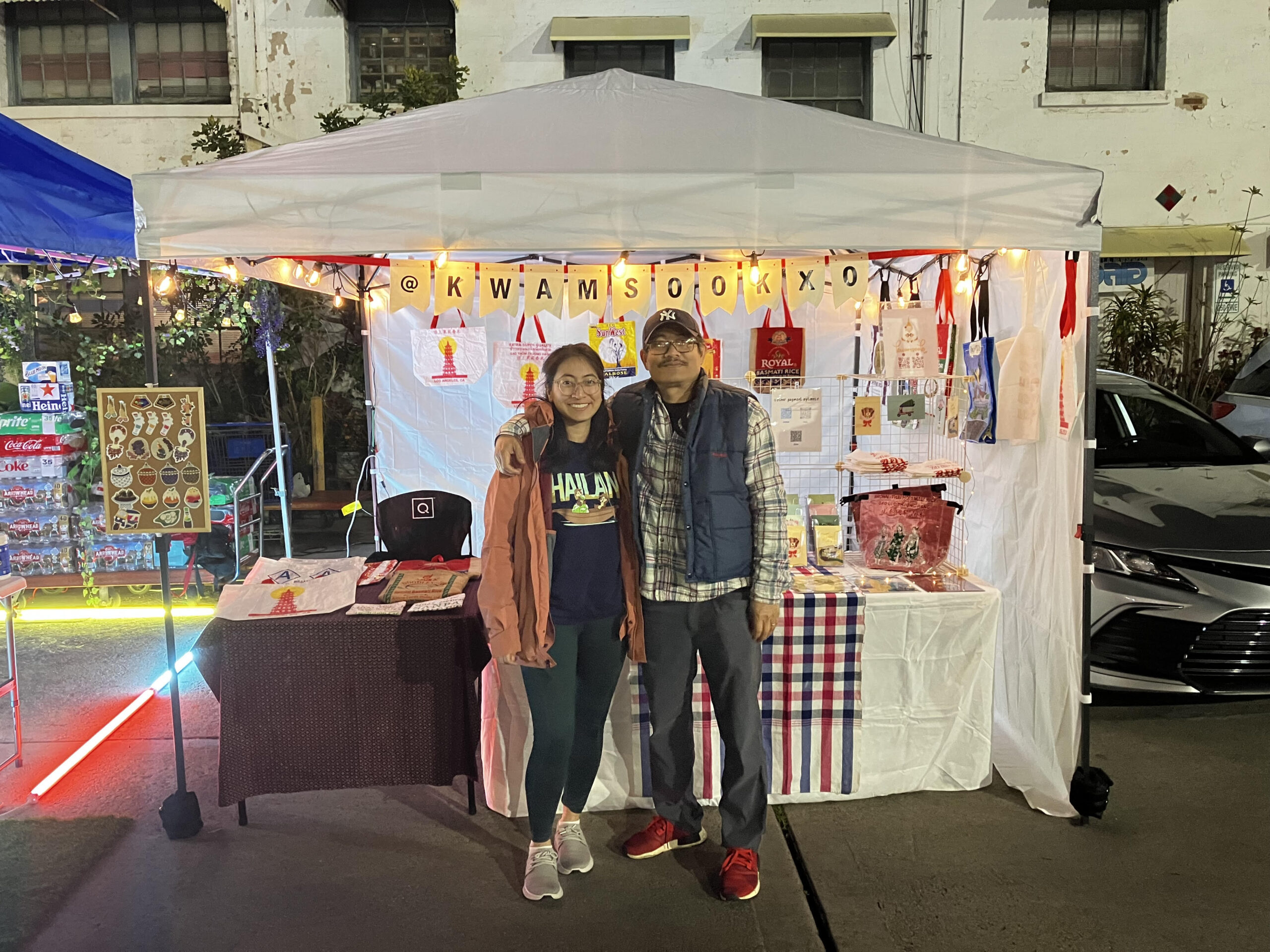
Photo by: Geeranan Chuersanga
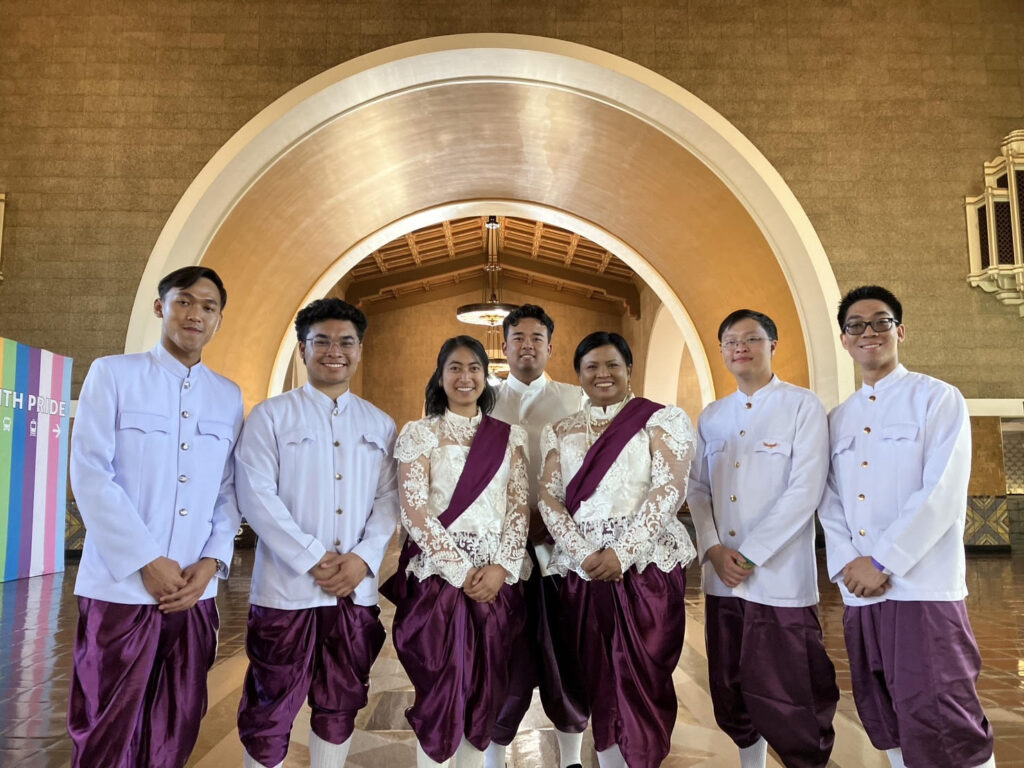
Photo by: Geeranan Chuersanga
What keeps her most grounded, though, is being a part of something bigger than her. “Knowing that I’m part of a legacy. My Thai name, our language, our music they’re all part of something greater. I’m proud to carry that forward.”
Cambodian New Year: Healing through heritage and hope as a Cambodian father

Photo by: Mike Keo
Mike Keo (he/him) is a Cambodian American based in Connecticut. He is a storyteller, father, and advocate.
For Mike Keo, Khmer New Year is a story of survival and a testament to joy “We’re fifty years removed from the fall of Phnom Penh. For me, the New Year is about honoring the grace and foresight of our elders who carried our culture with them.”
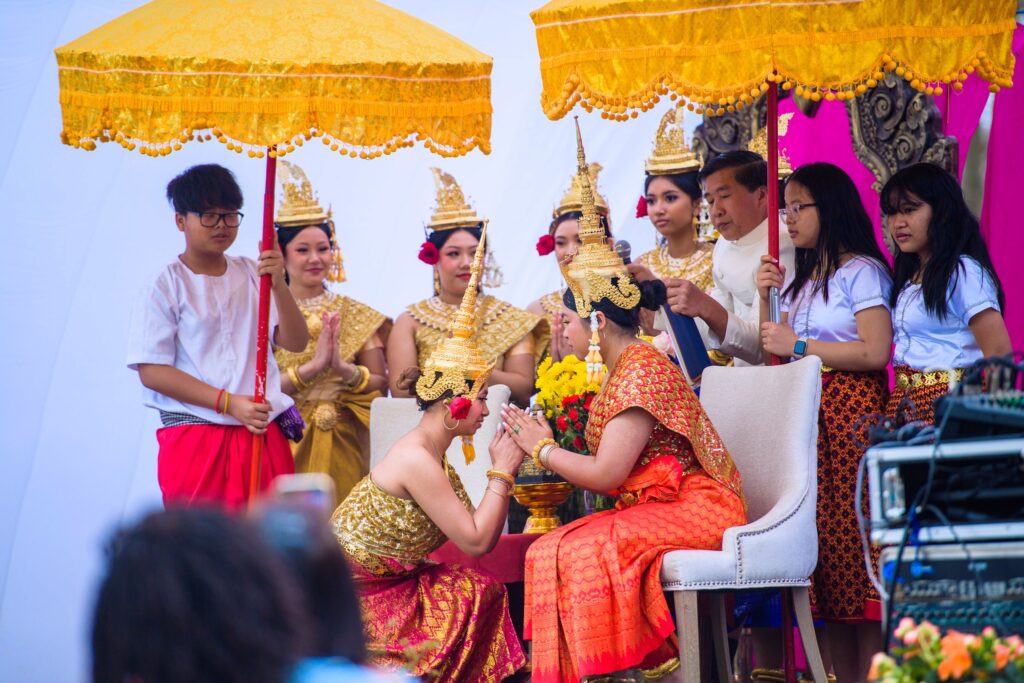
Photo by: Mike Keo

Photo by: Mike Keo
At their temple, Mike’s children wear shimmering traditional clothing as they receive jasmine water blessings, just as their ancestors once did.

Photo by: Mike Keo
“As a kid, temple made me feel different. Now, it’s where I feel most at home. My kids get to experience joy unburdened, loved, fully seen.”
Food becomes ritual as he makes salaw machoo kreung (Cambodian sour soup), and his mother prepares paklov, honoring the cravings of his grandmother’s memory.

Photo by: Mike Keo
“Even if we’re facing rising rent, anti-Asian hate, or deportation threats, our joy is resistance. Our food, our rituals, our stories remind us of where we’ve been and where we’re going.”
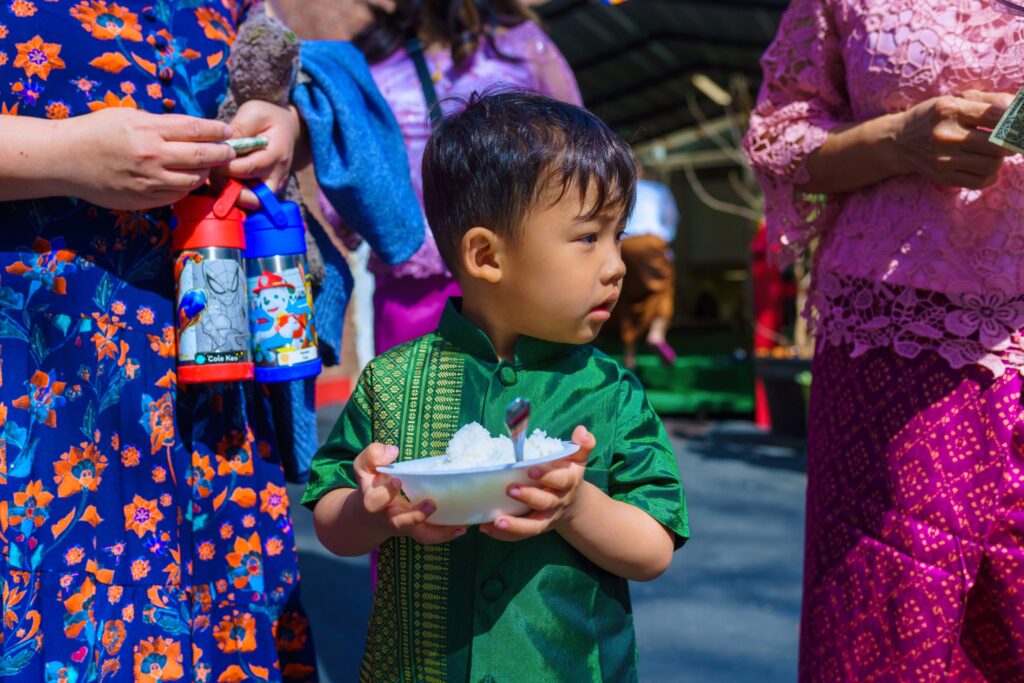
Photo by: Mike Keo
“As a father and advocate, Mike’s hope is clear: “May our children grow up believing they belong. That their heritage is sacred. That healing is possible even across generations.”
See also: Days of future past: Cambodia’s genocide and the Capitol riots
Cambodian New Year as a mixed race and multidisciplinary creative

Photo by: Jenna Lam
Jenna Lam (she/her) is a Cambodian-Vietnamese American based in Philadelphia. She is a creative, organizer, and realtor.

Photo by: Jenna Lam
For Jenna Lam, Khmer New Year is a time of spiritual, familial, and community renewal. It is a chance to reflect, reset, and reconnect with the roots that raised her. As the daughter of Khmer refugees, she describes her heritage as “the root system that grounds and nourishes my future.”
“My work lives at the intersection of healing, housing, and heritage. Whether I’m supporting temple life, organizing for housing justice, or weaving Cambodian folklore into my creative work, I’m always asking how I can honor the beauty and survival of where we come from.”
Her family’s New Year traditions include offering food to monks, praying to the Buddha, attending temple ceremonies, and making offerings to elders.
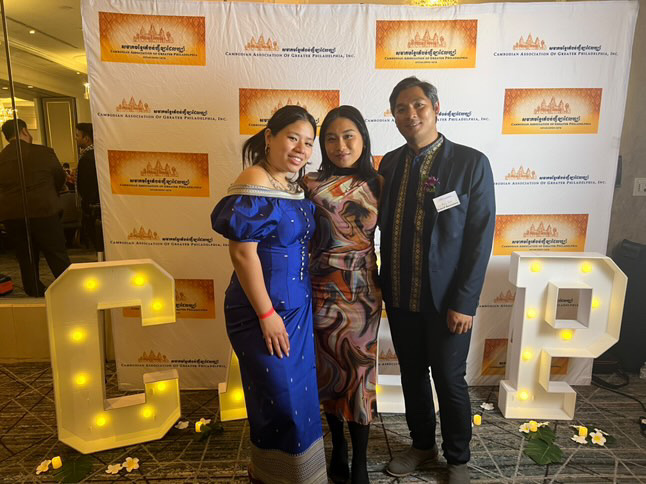
Photo by: Jenna Lam
“It’s joyful, colorful, and full of prayer. We celebrate survival and softness and the continuity of who we’ve been and who we’re becoming.”
One of Jenna’s favorite memories is from a recent community gala where she showed up fully in her culture, wearing a dress that blended tradition with modernity and standing proudly among Khmer artists, aunties, and changemakers.

Photo by: Jenna Lam
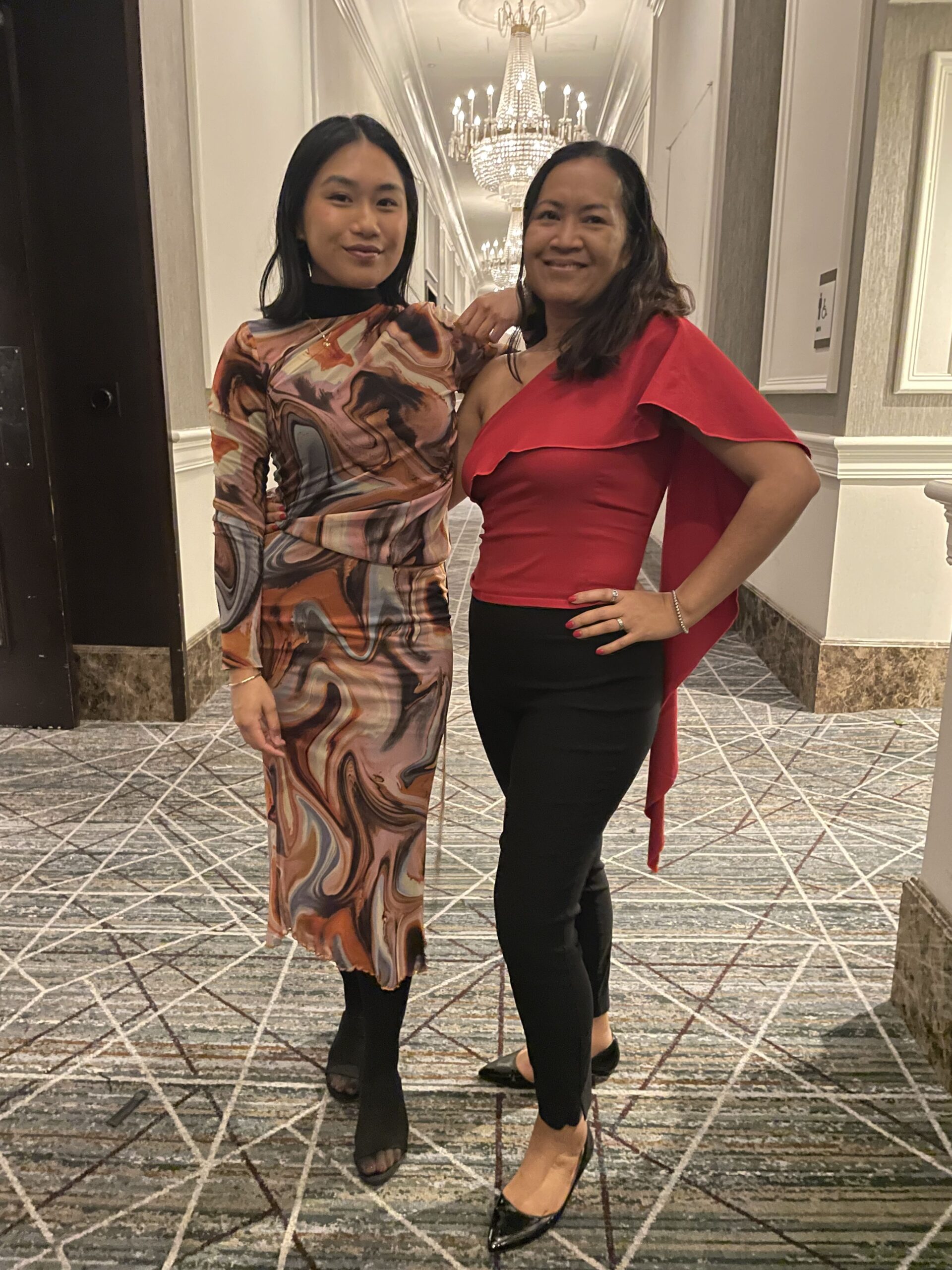
Photo by: Jenna Lam
“I remember standing under a chandelier and feeling something shift. I wasn’t just remembering my roots, I was actively shaping them forward,” shares Jenna.
She also cherishes the water blessings of her childhood, moments of stillness and cleansing that remain with her.
“I try to live my culture out loud and inwardly, every day. My culture isn’t just something I carry, it’s something I offer.”

Photo by: Jenna Lam
What makes her most proud? “Khmer culture is ancient, resilient, and rich in both joy and wisdom. We’ve endured so much and yet we’ve kept our warmth, our faith, and our laughter. We gather without pretense. We survive with style. And we never forget to dance.”
See also: Exploring origins and gratitude with Savan Muth of Samurai Champs
New Year, shared roots: Why celebrating Thai, Lao, and Cambodian New Year matters
From handwoven silks and sour soup to temple blessings and modern art, Lao, Thai, and Cambodian communities are reimagining New Year traditions through the lens of resilience, healing, and cultural pride. These stories explore how identity lives not just in the past, but in how we choose to carry it forward, together.
For Sarina, it’s about unity.
For Geeranan, it’s about representation.
For Mike and Jenna, it’s about remembrance, renewal, and the act of shaping culture forward.
Together, their stories remind us that culture isn’t just something we inherit; it’s something we tend to, adapt, and pass on.
Songkran, Boun Pi Mai, and Choul Chnam Thmey aren’t just New Year celebrations—they are love letters to resilience, family, and identity.
Glossary:
Songkran – Thai New Year
Boun Pi Mai – Lao New Year
Choul Chnam Thmey – Cambodian New Year
Baci Ceremony – Lao ritual blessing of threads for protection
Jok – Thai rice porridge
Salaw Machoo Kreung Cambodian sour soup