As the year winds down, many of us naturally begin to turn inward and towards the new year. Winter invites slowing down, softening, and taking stock of this year’s experiences.
In many Asian cultures, winter symbolizes transition. 2025 was the year of the Snake, a time of shedding skins, old beliefs, and practices that no longer serve us, or releasing old identities. All these transitions give way to the bold and fiery rhythm of the Horse, a period of movement, renewal, and possibility in 2026.
Whether you follow the zodiac systems of China, Vietnam, Korea, or the animal calendars of Japan, the end of the year is an invitation to pause, reflect, and realign.
This reflection isn’t only about what we accomplished; it’s about what we survived, what we carried, and what we’re ready to lay down.
And for many in the Asian diaspora, reconnecting with cultural wellness traditions is a meaningful way to ground ourselves for the year ahead.
See also: 5 Asian wellness books challenging myths in diet culture
Asian healing and wellness practices promote harmony across lifestyle, individual, and community care
Across Asian cultures, healing has long been understood as multidimensional. Rather than emphasizing treatment after illness, many traditions prioritize prevention, daily balance, and harmony within one’s environment.
Each person’s care looks different. Lifestyle, individual, and community care are not meant to exist in isolation, but as parts of an interconnected system that shifts with our needs, seasons, and life circumstances.
Rather than committing to a single wellness philosophy or tradition, many Asian healing frameworks invite flexibility, encouraging people to draw from multiple approaches in ways that feel supportive rather than rigid.
A holistic practice might include daily lifestyle rhythms for stability, individualized tools for emotional or physical support, and community-based connection for grounding and belonging.
Wellness, in this sense, becomes less about doing everything “right” and more about listening to what is needed in a given moment.
Lifestyle care is woven into everyday routines across Asian cultural wellness practices
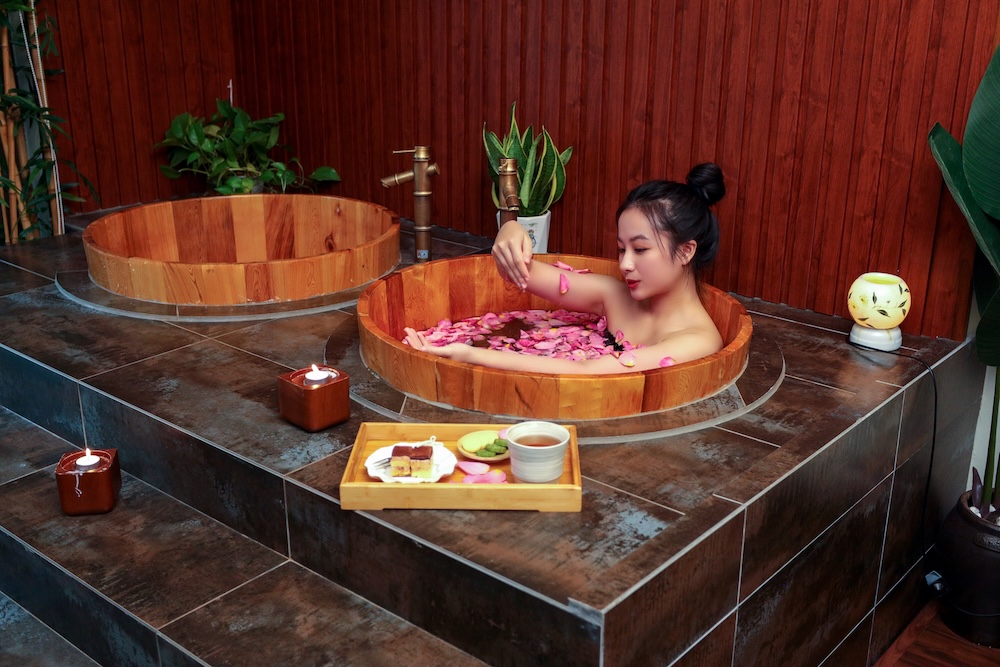
In South Asia, Ayurveda is incorporated into dinacharya or daily rituals such as mindful waking, consistent sleep cycles, warm meals that support digestion, and oil-based self-massage to regulate the nervous system.
Meanwhile, in East Asia, lifestyle care is guided by principles from traditional Chinese medicine (TCM), where harmony with the seasons shapes what and how we eat, when we rest, and the pacing of our days.
Whereas in Southeast Asia, practices like Thai herbal steams, red dao medicinal baths in northern Vietnam, and Indonesia’s jamu tonics bridge the gap between nourishment and medicine.
These routines don’t promise dramatic results overnight; instead, they slowly reinforce vitality, clarity, and balance across time.
Tailoring individual care to your personal needs
Individual care involves more specific attention to personal needs, whether physical, emotional, or spiritual.
Bodywork such as Thai massage, Vietnamese acupressure, or Filipino hilot shares a similar aspect where a practitioner works with the flow of energy, tension, and imbalance throughout the body.
Bodywork also includes personal movement practices like yoga, tai chi, qigong, or meditation, that help regulate breath, stabilize mood, and reconnect individuals to their bodies after stress or upheaval.
A focus on community healing and the collective soul across Asian cultures
Community care has always been central to Asian wellness practices, even if modern wellness culture often frames healing as an individual journey.
Historically, in many Asian cultures, communities relaxed together, such as healing in temples, bathhouses, parks, kitchens, and social gatherings. Filipino concepts like kapwa emphasize shared identity and interconnectedness, the idea that the self is never separate from others.
Practicing kapwa is less about a specific action and more about how one shows up in relationships: through mutual care, presence, and responsibility toward the collective. This can take shape in everyday gestures, checking in on one another, sharing food, tending to elders, showing up for communal rituals, or holding space for shared stories.
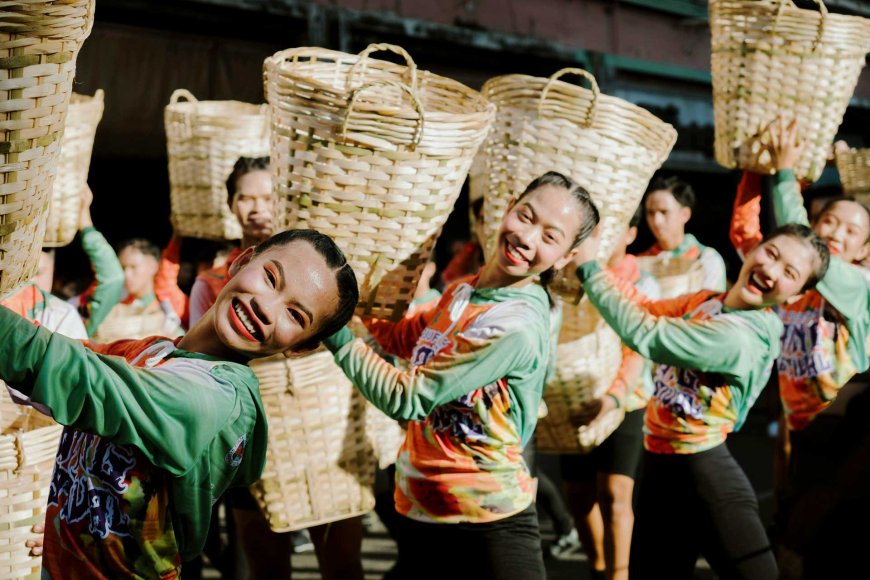
Group activities such as shared meals, spiritual gatherings, neighborhood tai chi groups, collective prayer, and storytelling become expressions of kapwa, reinforcing the belief that healing is relational and sustained through connection. In this framework, community is not a backdrop to wellness but a vital source of it.
Korean hanok-style spas, Japanese onsens, Balinese purification temples, and Chinese tea houses have long operated as community wellness spaces where rest, reflection, and social connection mingle.
Community care reminds us that healing is rarely meant to happen in isolation.
Together, lifestyle foundations, individualized tools, and communal practices create a framework that supports the whole person, body, mind, spirit, and relationships.
See also: Indigenous Filipino healing practices
Mind–body practices from Asian cultures
Mind–body practices across Asia share an understanding that emotions, physical sensations, memory, and energy are deeply intertwined. Practices like meditation, yoga, tai chi, qigong, and breathwork recognize that stress and trauma are not only mental experiences, but embodied ones.
These practices support realignment not by forcing change, but by creating conditions for the body and mind to move more harmoniously.
Over time, many aspects of these practices have been adapted into Western wellness spaces, often reframed as tools for stress reduction, productivity, or physical fitness. While these adaptations have made mind–body practices more visible and accessible, they can also strip away cultural, spiritual, and communal contexts that are central to their original purpose.
For those within and beyond the Asian diaspora, returning to these practices with greater awareness of their roots can offer a more grounded, integrative experience, one that honours both the body’s wisdom and the cultural lineages that shaped these healing traditions.
Meditation
Meditation appears across the continent in various forms from Vipassana traditions in Southeast Asian Buddhism to Daoist inner alchemy, Hindu dhyana, and Zen practices in Japan. While each practice has its own lineage, they all emphasize presence, regulation, and quieting the mind’s constant movement.
Many people find meditation stabilizing during periods of transition, grief, or burnout, as it encourages grounded awareness rather than reactivity.
Yoga
Yoga is a comprehensive South Asian practice integrating breathwork, ethics, philosophy, sound, and meditation. Although yoga is often reduced in Western contexts to physical postures and exercise, its purpose is not just flexibility, but the union of mind, body, and spirit.
When practiced within its cultural context, yoga can be a powerful tool for emotional clarity, resilience, and spiritual grounding.
Tai chi and qigong
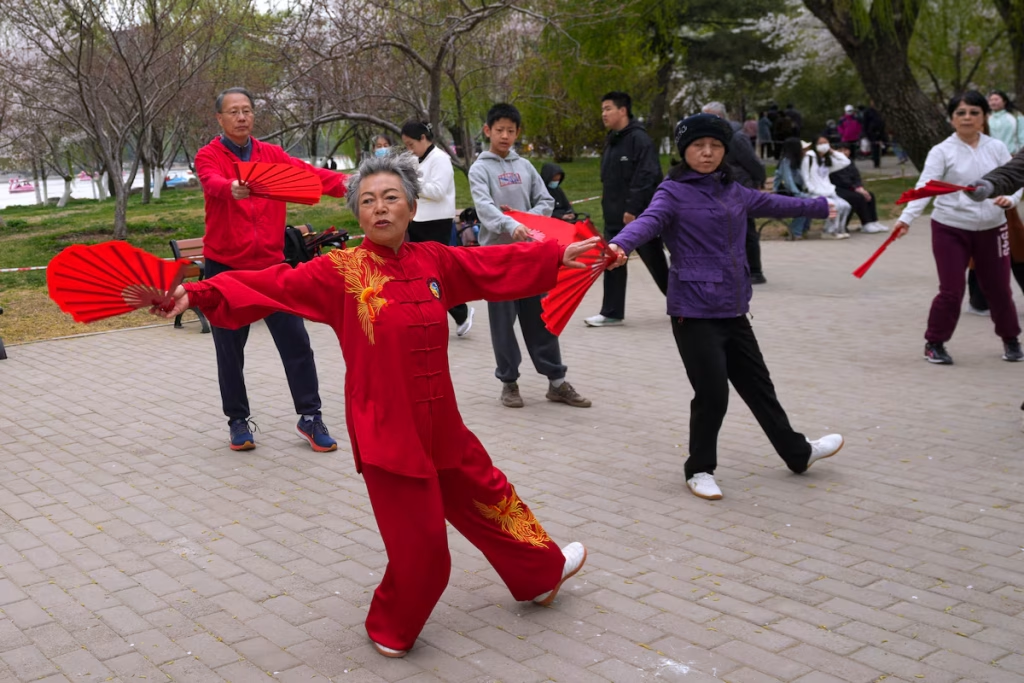
Tai chi and qigong from China offer another pathway through “moving meditation.” Its slow, intentional movements help regulate qi or vitality, support joint health, encourage steadiness, and cultivate internal strength.
In Southeast Asia, practices like Thai ruesri dat ton or self-stretching sequences were developed by forest monks, blend breath, meditation, and movement. Whereas Vietnamese daily tai chi is often practiced in groups in parks during sunrise reinforces communal rhythms of wellness.
Mind–body practices are often the first step for people seeking realignment because they reconnect attention to the physical body. These practices are accessible across ages and physical abilities, making them a gentle entry point for many, especially when many of us lose touch with our minds and bodies while navigating stress, work demands, or diaspora pressures.
See also: Reclaiming Identity: A Spiritual Journey to Social Justice
Spiritual practices from Asian cultures
Spirituality in Asian cultures is often inseparable from daily life. Rather than existing in separate religious or ceremonial spaces, spiritual wellness shows up in cooking, ancestor veneration, seasonal rituals, and everyday decision-making. Practices vary across regions but often serve similar purposes: cleansing, protection, connection, and clarity.
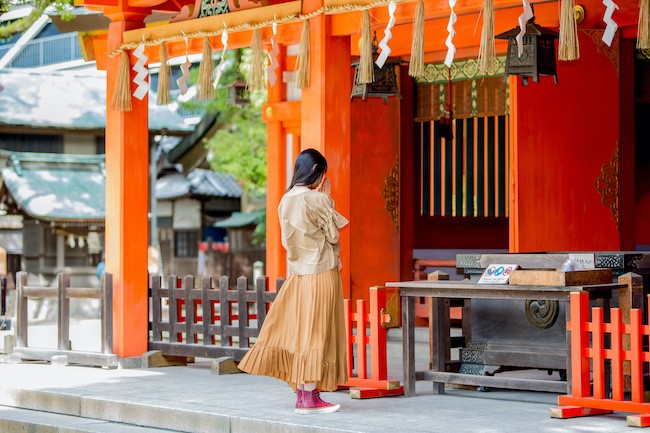
Sound-based practices appear in Buddhist monasteries, Hindu temples, Daoist rituals, and folk practices around Asia. Activities such as chanting, mantra, and kirtan use vibration to calm the nervous system and cultivate emotional openness, which offers grounding through repetition and rhythm, especially during emotionally heavy seasons.
In Central Asia, Mongolian and Siberian shamanic rituals use drumming, trance, and herbal remedies to support both individual and communal balance.
Filipino traditions such as hilot, pagtatawas, and prayer-based healing address both physical and spiritual roots of imbalance. Meanwhile in Bali, purification ceremonies and water blessings cleanse emotional heaviness and restore harmony.
What these practices share is a belief that for people navigating identity, grief, intergenerational trauma, or diasporic disconnection, physical, energetic, and relational spiritual practices can offer grounding in lineage and belonging.
Dietary and herbal traditions in Asian cultures
Across Asia, food and plants are central tools for preventing illness and supporting vitality. These systems are not simply culinary; they are medicinal frameworks informed by philosophy, climate, and generations of lived knowledge.
In TCM, foods are understood by their energetic qualities: warming, cooling, tonifying, dispersing, moistening, and more. Herbal formulas combine roots, leaves, barks, and minerals to support balance in the body’s internal systems. Additionally, meals are tailored to individual needs, which offers a deeply personalized approach to nourishment.
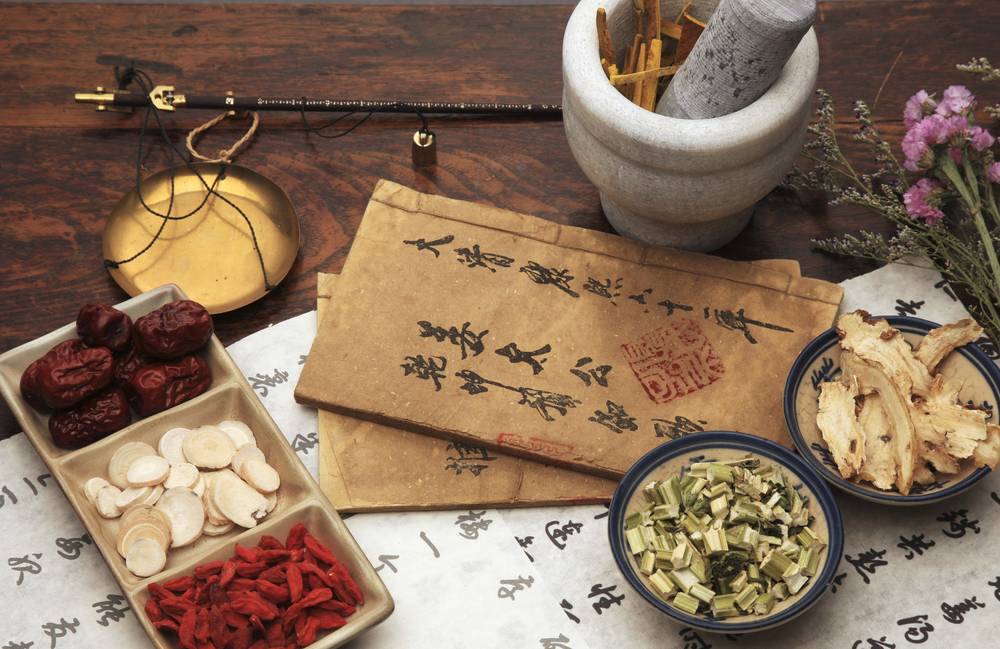
Japanese kampo similarly uses standardized herbal formulas to treat specific patterns of imbalance and is recognized within Japan’s national healthcare system. Kampo integrates modern diagnostics with long-standing herbal knowledge, illustrating how traditional systems can coexist with contemporary medicine.
In South Asia, Ayurveda views digestion as the foundation of all health. Spices like turmeric, ginger, cumin, and cardamom support metabolic fire and reduce inflammation, plus these spices are key to South Asian cuisines.
Herbalism is rich and diverse. Remedies incorporate oils, compresses, and teas for daily maintenance, detoxification, and recovery.
In Indonesia, jamu blends turmeric, tamarind, ginger, and other local plants into daily tonics meant to support immunity and energy. Alternatively, Thai herbal compresses and Vietnamese red dao herbal baths combine medicinal herbs with heat to ease muscle tension and emotional stress.
In Filipino kitchens and villages, herbal medicine and food therapy often coexist. Coconut oil, ginger, guava leaves, and medicinal plants form the basis of remedies passed down through generations.
These dietary and herbal practices are grounded in prevention: supporting digestion, circulation, warmth, immunity, flexibility, and emotional stability throughout the year.
See also: From personal to popular: the Westernization of traditional Chinese medicine
How we engage with Asian wellness in the West
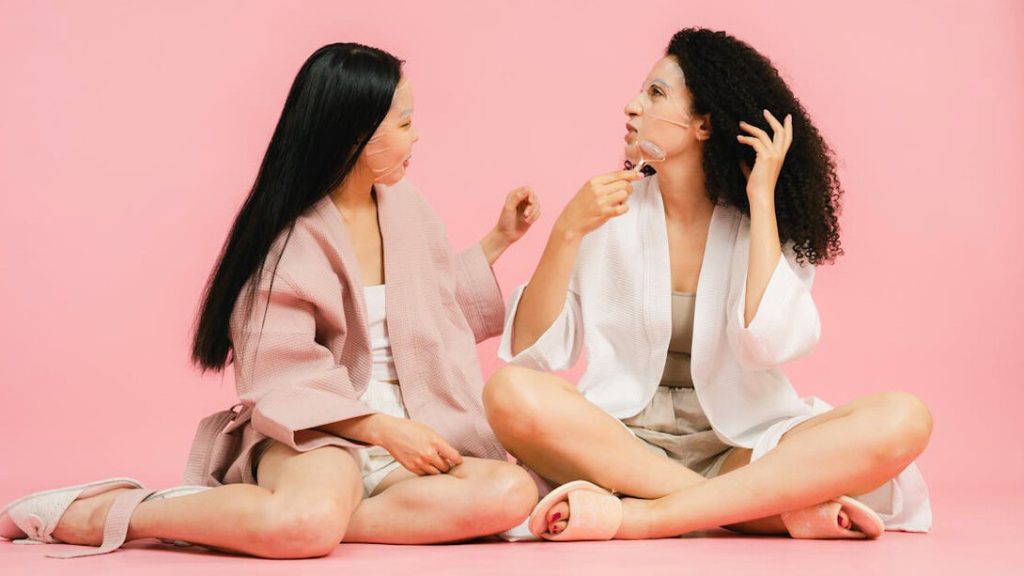
In many Western contexts, Asian healing traditions have become increasingly visible, from yoga studios to acupuncture clinics, herbal supplements, wellness retreats, and mindfulness apps. Yet, this visibility often comes with tension.
Practices like yoga, meditation, TCM, and ayurveda can be powerful tools for healing, but when separated from their cultural philosophies and histories, they risk being treated as trends or aesthetic experiences.
Contrary to Asian cultural healing and wellness practices, Western wellness culture often focuses on individual optimization, which shifts traditions away from their holistic, communal, or spiritual roots.
In diaspora communities, this can create a sense of disconnection, seeing one’s own cultural knowledge commercialized, while elders’ wisdom may have once been dismissed as superstition or outdated.
Many traditional Asian systems view illness not only as a physical issue but as an imbalance influenced by lifestyle, emotions, environment, and community. These wellness practices serve as meaningful entry points for many Asian diasporic individuals seeking reconnection.
Returning to herbal soups, tai chi in the park, guided meditation, or traditional massage helps reclaim cultural memory. Realignment and revitalization are personal pursuits and pathways to cultural reconnection, intergenerational healing, and community building – especially after generational traumas stemming from migration, assimilation demands, or colonial influence.
As the year comes to a close, wellness doesn’t have to be about resolutions or reinvention. It can be about remembering what has always been available to us: the rhythms of nature, the medicines in our kitchens, the grounding of our breath, the wisdom in our communities, and the traditions that have carried our ancestors through centuries of change. Realignment can start with a single ritual, a single intention, or a single moment of stillness.
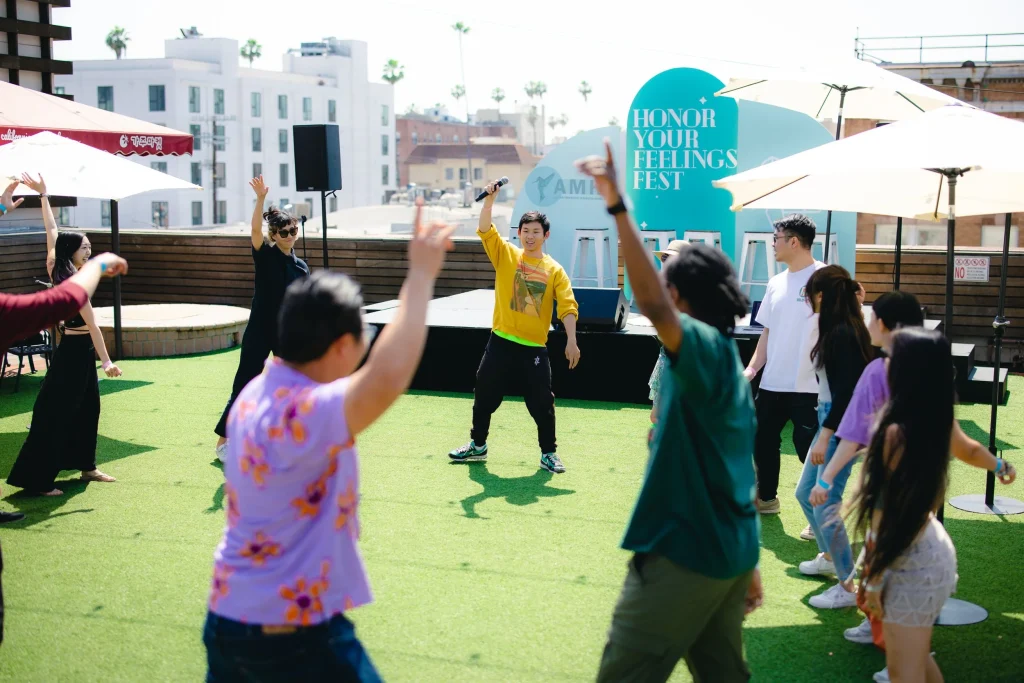
May this season offer you the clarity to shed what no longer serves you, the courage to step into what will, and the grounding to know that you do not walk this path alone.
For anyone seeking additional support, culturally informed care is available through organizations like the Asian Mental Health Collective, Asians for Mental Health, Anise Health, the South Asian Therapists Directory, NAAPIMHA’s Resource Directory, and other therapist networks dedicated to serving Asian and Pacific Islander communities.