The importance and excitement of Asian American women in politics
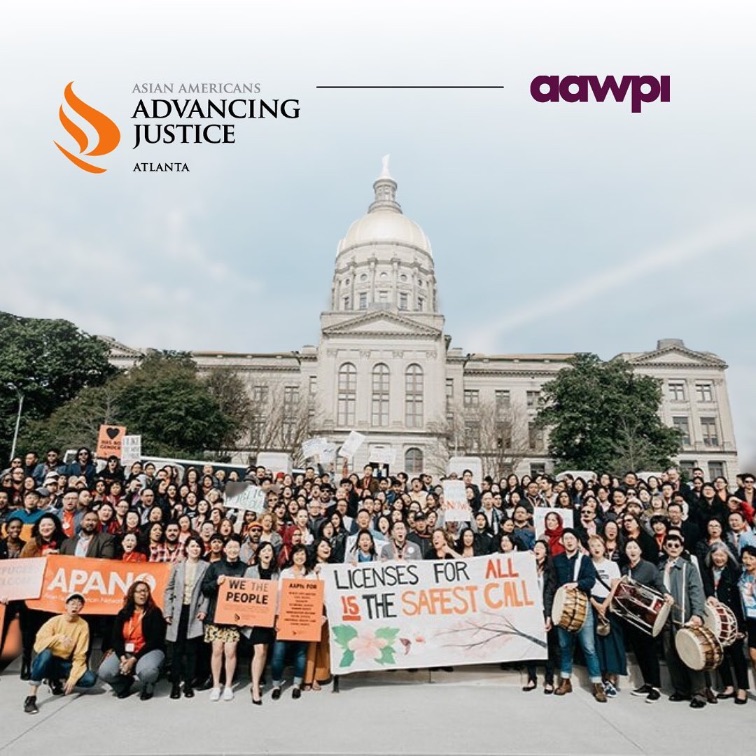
Asian Americans are the fastest growing demographic group. And yet, we only make up 0.9% of elected officials in the country while being the margin- of- victory in elections.
“In the wake of ongoing anti-Asian violence we realized just how urgent it was to change the invisibility that leaves our community vulnerable,” said Diana Hwang said. Hwang is the executive director of the Asian American Women’s Political Initiative (AAWPI). AAWPI has been actively pushing to change the American political landscape for 13 years.
After 12 years of a local State House Fellowship Program for college age students, this year AAWPI kicked off their first ever National Civic Impact Fellowship & Incubator Program. The inaugural cohort worked on civic engagement projects based in Massachusetts and Georgia. They also received funding as well as mentorship opportunities for five months. In the following years, AAWPI plans to expand their program to more states, aiming to mobilize 50,000 AAPI voters by 2025.
“We all have a role to play in our communities,” Hwang said. “Now more than ever, with Roe vs Wade under attack, we need young AAPI women to step into their leadership.”
See more: After COVID-19, Asian Americans cannot afford to be invisible again
Asian American women creating space
The inaugural cohort is creating space to learn and connect.
Sometimes these spaces are literal, like for Audrey Tang who is creating a public community garden in Boston. Other times, spaces are virtual. Fellows Iman Ali and Jessica Nguyen are using media to connect with and educate communities. Ali aims to produce a podcast to address gaps in feminist and racial justice knowledge in the South Asian Georgia community. Nguyen’s “Project Voice Fund” invests in narrative change that promotes civic engagement.
Many of these projects start with the goal of creating safe spaces to learn and heal. Samiyah Malik’s project is one such example which focuses on improving accessibility to mental health resources.
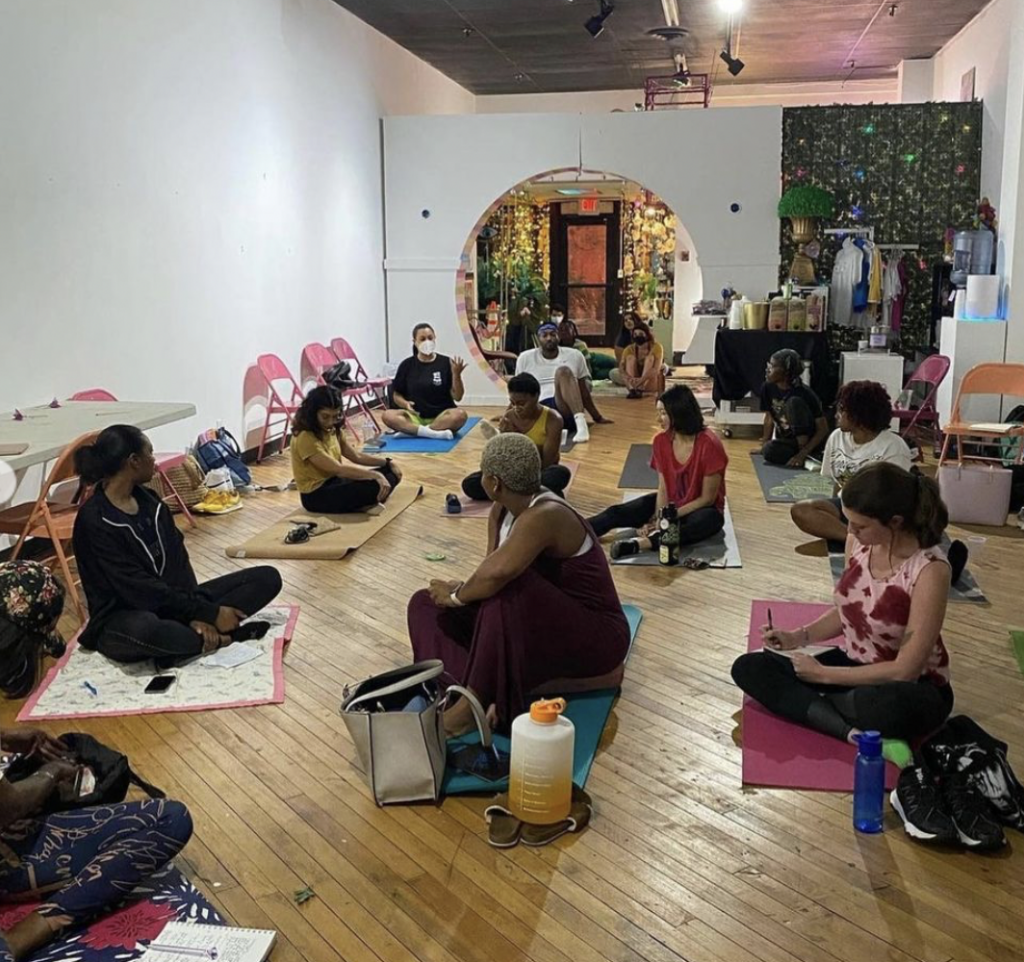
From AAWPI’s Instagram.
“Our goal is to reverse the systemic injustices that are traumatizing Black people, queer people, disabled people, and people of colour,” Malik said. “It’s critical that we acknowledge these social issues and create open dialogue centered on healing.”
See more: Trauma-informed lawyering for Asian communities
Supporting previous and future generations
Some members of the cohort have turned to projects that educate and support specific communities across generations.
Three members have identified different adult communities to support. Khanh Le’s initiatives supports the older Asian American community about voter registration and sharing candidate information and Noor Hillou specifically aims to support Muslim women in getting citizenship. Nimisha Ganesh’s organization GenUity supports lower income adults in understanding their civic wellbeing and creating change around health equity.
Other projects are more future oriented and support the next generation, whether that is upcoming politicians or students. Aishwarya Sharma’s project supports AAPI individuals pursuing careers in politics. Valerie Vong works with a local public school to educate AAPI high school students while Syeda Bano works with undocumented South Asian college students for advocacy for in-state tuition.
“Ultimately, I’m looking to build power alongside immigrant communities,” Bano said. “This project is so important for our community because children of immigrants are often navigating these expensive, life changing decisions alone.”
Getting involved as Asian American women in politics
It can seem daunting to get involved in politics, especially when the statistics aren’t in your favor. In order to have equitable representation, we’d need almost four times as many AAPI women in office.
“We’ve noticed that women often have to get asked twice to participate in fellowships because they don’t trust themselves to say yes the first time,” Hwang said.
This is why communities are important, she emphasized. And this importance extends beyond communities similar to us; she pointed out the importance of joining multi-racial coalitions. AAWPI believes that their shared work to change the system is inextricably tied with working alongside Black, Latina, and Indigenous women.
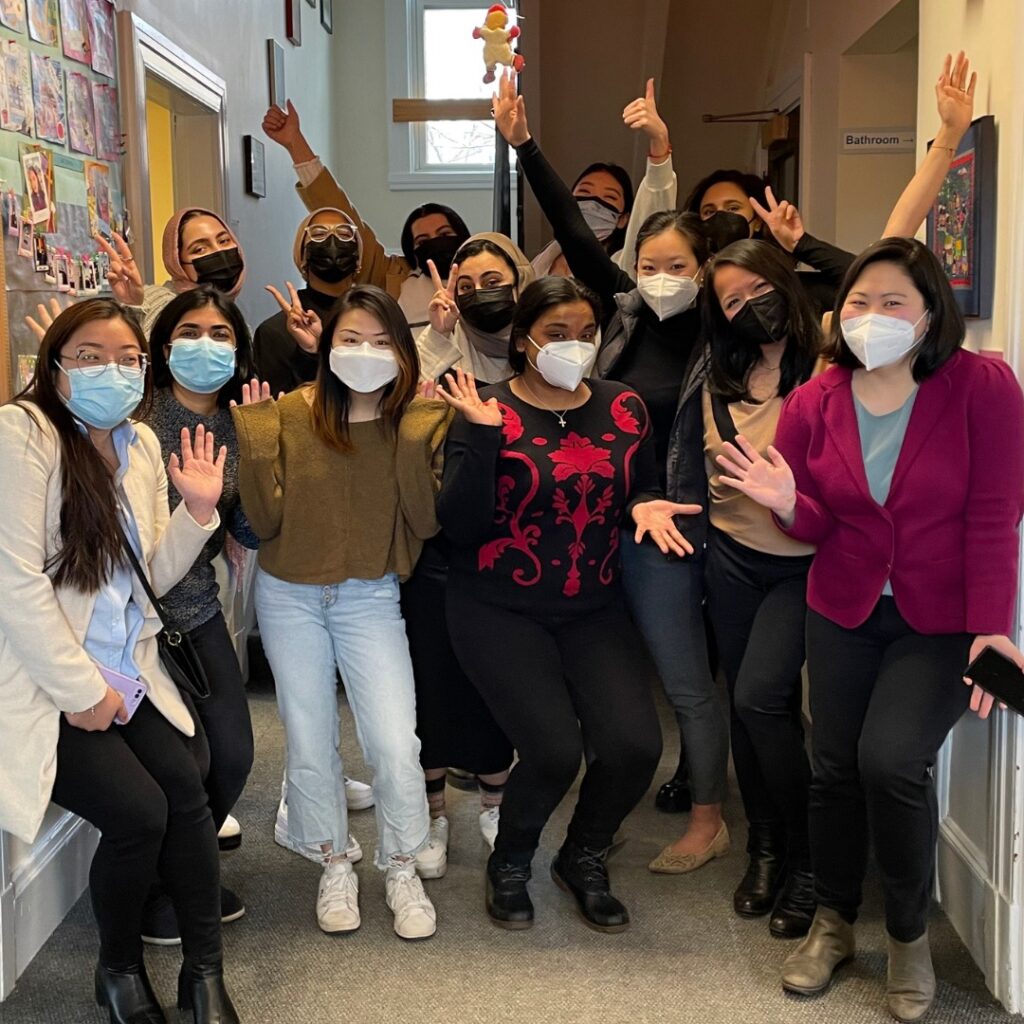
“As AAPI women, own your power and your full self and your intersectional identities,” Hwang said. “There’s no substitute to learning by doing. Say yes, use your voice, and lean on your mentors. Representation matters at all levels.”
See more: Why the Asian American vote matters
Featured image from AAWPI Instagram