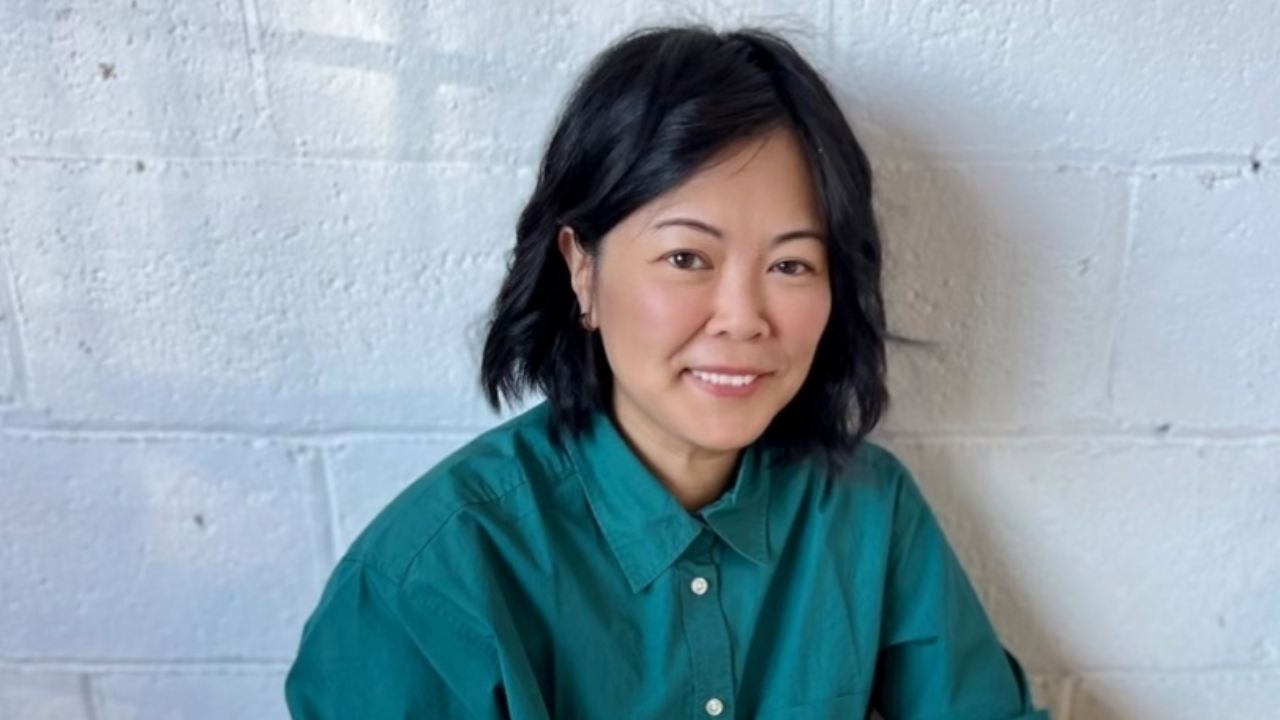
Anita Chan recalled hearing the news about San Francisco’s historic ban on single-use plastic bags in 2007. With that, Chan ignited her passion for sustainability when she was awe-struck by the pioneering and bold decision by one of the largest cities in the US.
Finding her voice in sustainability
Chan’s desire to share her journey while making zero waste living accessible to everyone culminated in the launch of We Trash Talk—a company focused on helping people and companies implement zero-waste living. From food-saving tips to budget-saving DIYs, her goal is to encourage individuals to join the climate movement and to take action in any way they can.
The reality of the climate crisis hit home when she became pregnant with her son, who is now four years old. As an expectant and concerned parent, she joined the campaign for the straw ban in Vancouver, going door to door in her neighbourhood of East Vancouver and speaking at the Vancouver City Hall.
“I was really passionate about sustainability,” said Chan, who founded her company in 2017. “I was like ‘I’m bringing this child to this world, and this is serious now.’”
Chan harnessed the power of a collective when she became involved with Babies for Climate Action, a local grassroot organization made up of new parents addressing the intersection of climate issues with social justice to secure a better future for the next generation.
“Beyond composting, it was about how to talk to and write to your Member of Parliament for changes,” said the Vancouver-based digital creator. “It was also about environmental justice and access to education for everybody, no matter what tax bracket you are.”
Empowered by the impact she was making in her backyard, she decided to make a career change in her 40s and went back to school during the pandemic to study Sustainability Development. Now working in the role of a content marketing strategist at a community-based credit union, she is leading a lifestyle that truly aligns with her values and passion.
See also: Amy Chan: Healing hearts through community
Navigating sustainability in a Chinese household
Even though Chan calls herself a “late boomer” in finding her voice and career path, Chan’s traces back her sustainability journey to the values instilled in her by her parents.
“Growing up there was always a scarcity mindset,” she said, as a second generation Chinese Canadian. “My mom grew up poor and my dad came from money but wasn’t spoiled, so it was ‘save everything and be mindful of what you use.’”
Like many immigrants and minority families, Chan’s family faced financial challenges as they settled in Vancouver. Since money was tight, their grandparents always reminded them to minimize their waste, especially when it comes to food.
Her parents were frugal, but now Chan is educating her family members about other ways to reduce their environmental impact. This also means navigating difficult topics and getting her mother on board with her lifestyle decisions. For example, Chan commits to buying mostly second-hand clothes and toys.
“My mom is very giving with grandkids, but with my son, it is very important that I can’t have him open these plastic toys every time he comes over,” she said. “It’s hard to have conversations as well with family because they’re used to spoiling boys.”
Given that Chan did not have a close relationship with her mother growing up, opening up these dialogues can be challenging. However, her mother’s involvement in her family’s sustainability journey has fostered closer intergenerational bonds, as well as improved her connection with her mother.
“My mom does want to know more [about sustainability], so I spend a lot of time with her on that because she wants to spend time with my son to connect.”
See also: Alyce Chan: MOMCOM and healing with laughter
Creating community online
Even though sustainable living is a big part of her life, Chan admits that it can feel lonely at times. This is common for many individuals who engage in activism, which can take a toll on their mental health and well-being.
“When you’re dealing with all these things internally and doing what you love, the friends that you’ve had or they kind of dwindle away, because your values are different and it’s really hard to maintain certain relationships,” she explained.
To cope with the loneliness, Chan turned to social media and started an Instagram account @wetrashtalk as an outlet for her voice and creativity. Through chronicling her sustainable journey online, she discovered a network of individuals with similar values and beliefs.
“I find the community online is really supportive, like DM’s that come in,” said Chan. “Knowing that I’ve helped somebody with an idea about saving money on this and just that alone, it doesn’t take much for me to take care of my mental health.”
However, the sustainability space can be difficult to break into as an Asian digital creator, since it is occupied mainly by white female influencers. Instead of focusing on making a profit, Chan has dedicated her platform to uplifting minority voices. During COVID when many businesses were struggling, she helped to promote several local eco-conscious brands, without compensation.
“Anytime I can support a BIPOC creator, I’ll do whatever I can [because] I feel like there needs to be more diverse voices [in the conversation].”
Social justice is a part of sustainability
We often focus climate conversations on environmental impact, but social justice is just as important. As extreme weather events begin to affect global communities, marginalized groups are disproportionately bearing the brunt of climate change.
When we address racism, especially prejudices and beliefs we learned as growing up, keeps our communities connected during tough times. Chan recalls an employer training her to be wary of Indigenous customers in their grocery store, during a period when shoplifting was prevalent in the neighbourhood.

“Even though it was such a great community, and all the Chinese people looked out for each other, we have to look out for everybody,” she said. “I’m trying to reverse that thought of community we were brought up with to be just support your own kind.”
Other than unlearning biases about others, the Chinese culture has a lot of work to do to stop internal racism within the community. Chan recalled her relatives in Hong Kong looked down on her father because he came from a different part of China and spoke a different dialect.
“We talk about helping each other, but we also need to fix our own internal racism with each other,” said Chan.
See also: Alyce Chan: MOMCOM and healing with laughter
Small changes make a huge difference in climate action
Everyone has a part to play in the fight against climate change. However, tackling a global problem seems daunting. As the climate crisis becomes a growing concern, eco-anxiety is also on the rise. In a 2021 study that surveyed children and young people, 84% were at least moderately worried about climate change, with more than 50% reporting negative emotions, including feeling powerless and helpless.
So, how can we stay positive and inspired while finding ways to contribute to collective change?
Reflecting on her sustainability journey, Chan emphasized the importance of finding your purpose, known as Ikigai in Japanese, and finding joy in climate action.
“When there are dark days when things are happening in the world, if you can hold on to those small joys, then you can envision the future with that to bring the hope back,” Anita Chan said.
At the end of the day, despite where we are in our sustainability journey, we do not have to do it alone. Chan encourages everyone to get to know their neighbours and build their community networks, whether it is through Buy Nothing Groups or a neighbourhood WhatsApp group.
“When an emergency hits, you rely on your neighbours,” she said. “The resilience is in the community, not by country or by city—it’s in your area.”
When it comes to banding together to combat climate change, the individual actions really do matter. The grassroot and community-led efforts yield the power to propel a greater movement.
“Small changes make a difference because everyone goes through that in their own time and the impact gets bigger when people really believe that one person can make a difference,” Chan encourages.
Stay tuned for our interview with Anita’s sister, Amy Chan, founder of Breakup Bootcamp.
See also: Building communities beyond Vancouver’s Chinatown with Anita, Alyce, and Amy Chan